
IDENTIFICATION GUIDE

What Left This? Identifying Mouse, Rat, Cockroach and Silverfish Droppings

Mouse droppings are 3–6 mm, dark, and pointed at both ends. Rat droppings are 12–19 mm with blunt ends. German cockroach droppings look like coarse ground pepper or dark specks, often smeared. Size, shape and where you found them together identify the pest more reliably than any single clue.

Droppings are usually the first hard evidence a property owner finds, and they are often the only evidence available during the day. Identifying them correctly tells you which pest you have, roughly how many, and how long they have been there.

Pest-control reference image for What Left This? Identifying Mouse, Rat, Cockroach and Silverfish Droppings
Visual reference for What Left This? Identifying Mouse, Rat, Cockroach and Silverfish Droppings
01

Mouse droppings

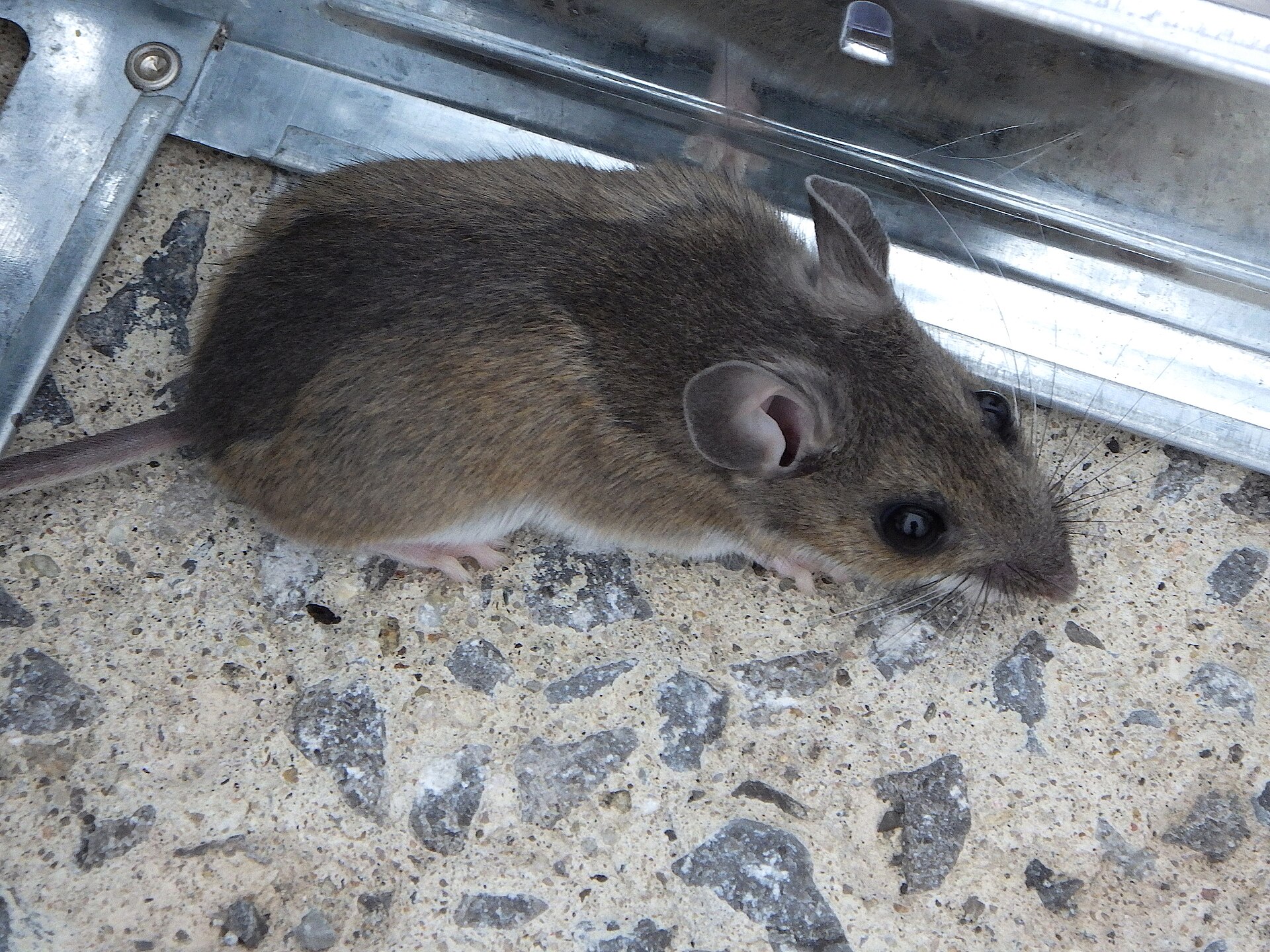
House mouse droppings are small dark grains, roughly 3 to 6 millimetres, tapered to a point at each end. A single mouse produces dozens per day, so quantity builds quickly and scatters along travel routes rather than piling in one spot.

  • 3–6 mm, pointed ends
  • Scattered along walls and in drawers
  • Found in cupboards, under sinks, behind appliances
  • Fresh droppings are dark and soft; old ones grey and crumbly
02

Rat droppings

Norway rat droppings are substantially larger, 12 to 19 millimetres, with blunt rounded ends, and tend to be deposited in concentrated latrine areas rather than scattered. Finding these changes the plan — rat work is a different job from mouse work.

  • 12–19 mm, blunt ends
  • Grouped in latrine areas
  • Often near burrows, waste areas or crawl spaces
  • Accompanied by grease marks along walls
03

Cockroach droppings

German cockroach droppings resemble coarse ground pepper or dark specks, and in heavy activity appear as dark smears and staining in corners and along shelf edges. Larger species leave cylindrical droppings with blunt ends that are easily mistaken for mouse droppings — check the ends and look for ridges.

  • Pepper-like specks or dark smearing
  • Concentrated in cupboard corners and hinges
  • Staining around harbourage points
  • Larger species: ridged, blunt-ended pellets
04

Silverfish and small insects

Silverfish leave tiny black pepper-like specks, usually alongside irregular surface grazing on paper, wallpaper paste or starched fabric. The damage pattern is often more diagnostic than the droppings themselves.

  • Very fine dark specks
  • Near paper, cardboard and damp storage
  • Accompanied by surface etching on paper
  • Often paired with yellowish stains
05

What the quantity tells you

A handful of droppings in one drawer suggests a recent visitor. Droppings in three rooms, in different sizes, with both fresh and old material present, indicates an established population that has been breeding on site. Photograph what you find before cleaning it up.

  • Photograph with a coin for scale
  • Note every location, not just the worst one
  • Mixed sizes suggest breeding on site
  • Fresh and old together means ongoing activity
06

Clean up safely

Do not dry sweep or vacuum rodent droppings. Disturbing dried material can put particles into the air, and rodent droppings can carry pathogens. Dampen the area with a disinfectant, leave it, then wipe up with disposable material while wearing gloves.

  • Ventilate the area first
  • Dampen before wiping — never dry sweep
  • Wear disposable gloves
  • Bag waste and wash hands thoroughly
COMMON QUESTIONS

What Left This? Identifying Mouse, Rat, Cockroach and Silverfish Droppings: questions we get asked

How do I tell mouse droppings from rat droppings?

Size and the shape of the ends. Mouse droppings are 3 to 6 millimetres and taper to a point at both ends. Rat droppings are 12 to 19 millimetres, roughly three times longer, with blunt rounded ends. Mice scatter droppings along their routes; rats tend to concentrate them in latrine areas. If you are finding both sizes, treat it as a rat problem until proven otherwise.

How do I tell cockroach droppings from mouse droppings?

German cockroach droppings look like coarse ground pepper or dark smears rather than discrete pellets, and cluster tightly around harbourage such as cupboard corners and hinges. Larger cockroach species leave cylindrical droppings that can resemble mouse droppings, but they have blunt ends and visible lengthwise ridges, whereas mouse droppings are smooth with pointed ends.

Are the droppings fresh or old?

Fresh rodent droppings are dark, moist and slightly soft. Within a few days they dry, harden and fade toward grey, and old droppings crumble when pressed. A useful test is to clear an area completely, then check it again after two or three nights — anything new confirms current activity and tells you which route is in use.

Is it safe to vacuum up mouse droppings?

No. Dry sweeping or vacuuming can put dried particles into the air, and rodent droppings can carry pathogens. Ventilate the room, dampen the droppings with a disinfectant solution, leave them for several minutes, then wipe up with disposable material while wearing gloves. Bag the waste and wash your hands.

I found droppings in my attic and they are larger than rice. What are they?

Droppings that size in an attic usually point to bats or squirrels rather than a structural pest. That is wildlife work, which requires different licensing in Ontario, so you would need a wildlife operator rather than a pest control company. Emerald handles mice and rats, not bats or squirrels.

Use evidence, not guesswork.

Photos, specimens, dates and exact locations help distinguish a one-time sighting from an active structural pest problem. Product use must follow the Canadian label and should match the identified pest and site.

LOCAL PEST HELP

Need help applying this guide to your property?

Tell us what you found and where the property is located. Emerald Pest Control serves homes and businesses across Eastern Ontario.

Call NowFree Quote