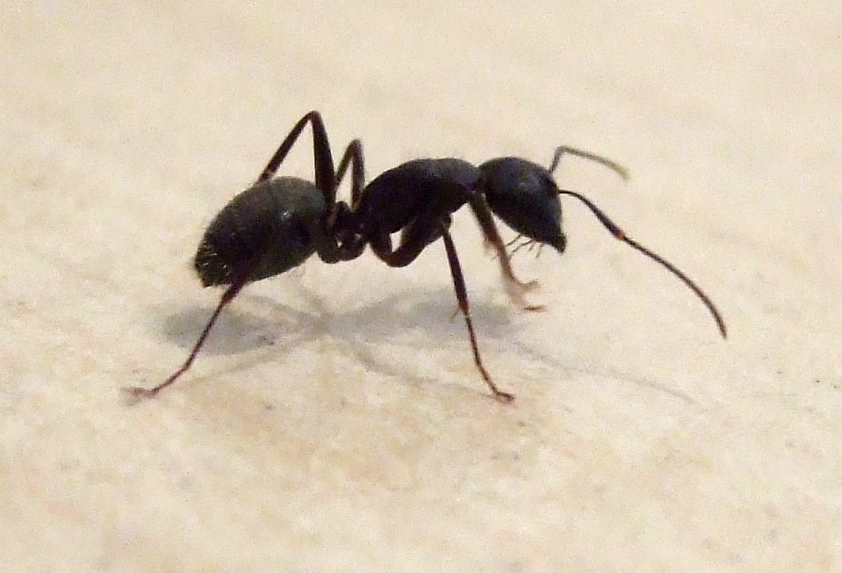
Crawling insectsAnt Control
Ant activity can move from exterior nesting areas into kitchens, bathrooms, wall voids and other protected spaces. Identification helps determine the right control strategy.
Call (613) 743-8074Search common structural pests found across Eastern Ontario, compare visible signs and learn when professional inspection may be appropriate.
Seasonal conditions can increase sightings, but activity varies by property.
Use the search and filters to narrow the list. Wildlife is not included.
Crawling insectsAnt activity can move from exterior nesting areas into kitchens, bathrooms, wall voids and other protected spaces. Identification helps determine the right control strategy.
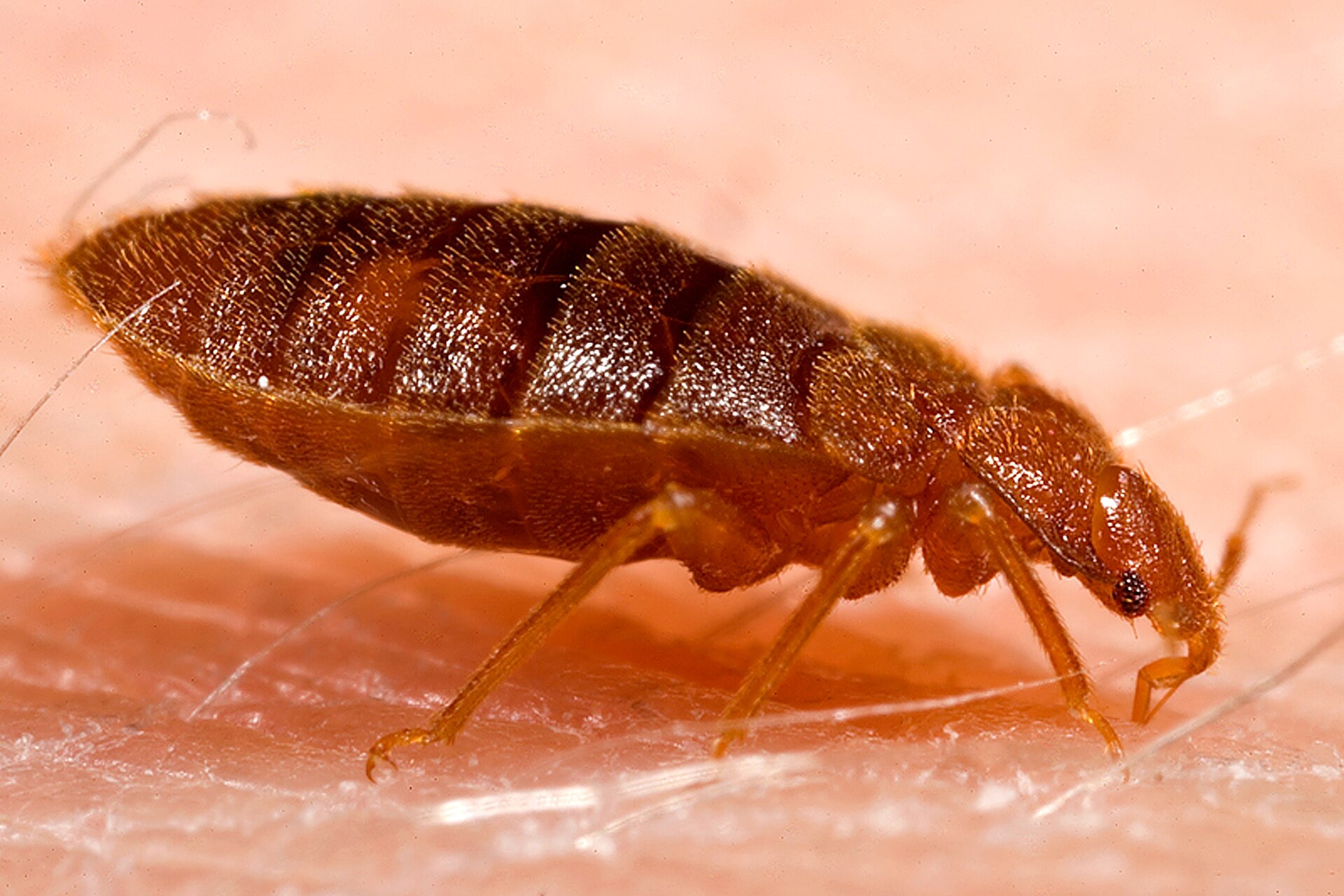
Biting pestsBed bugs can spread through luggage, furniture, clothing and shared spaces. Early identification and a structured treatment plan can help limit spread.
Crawling insectsCockroaches often hide in warm, dark areas near food and moisture. Effective control targets harbourage while reducing food and water sources.
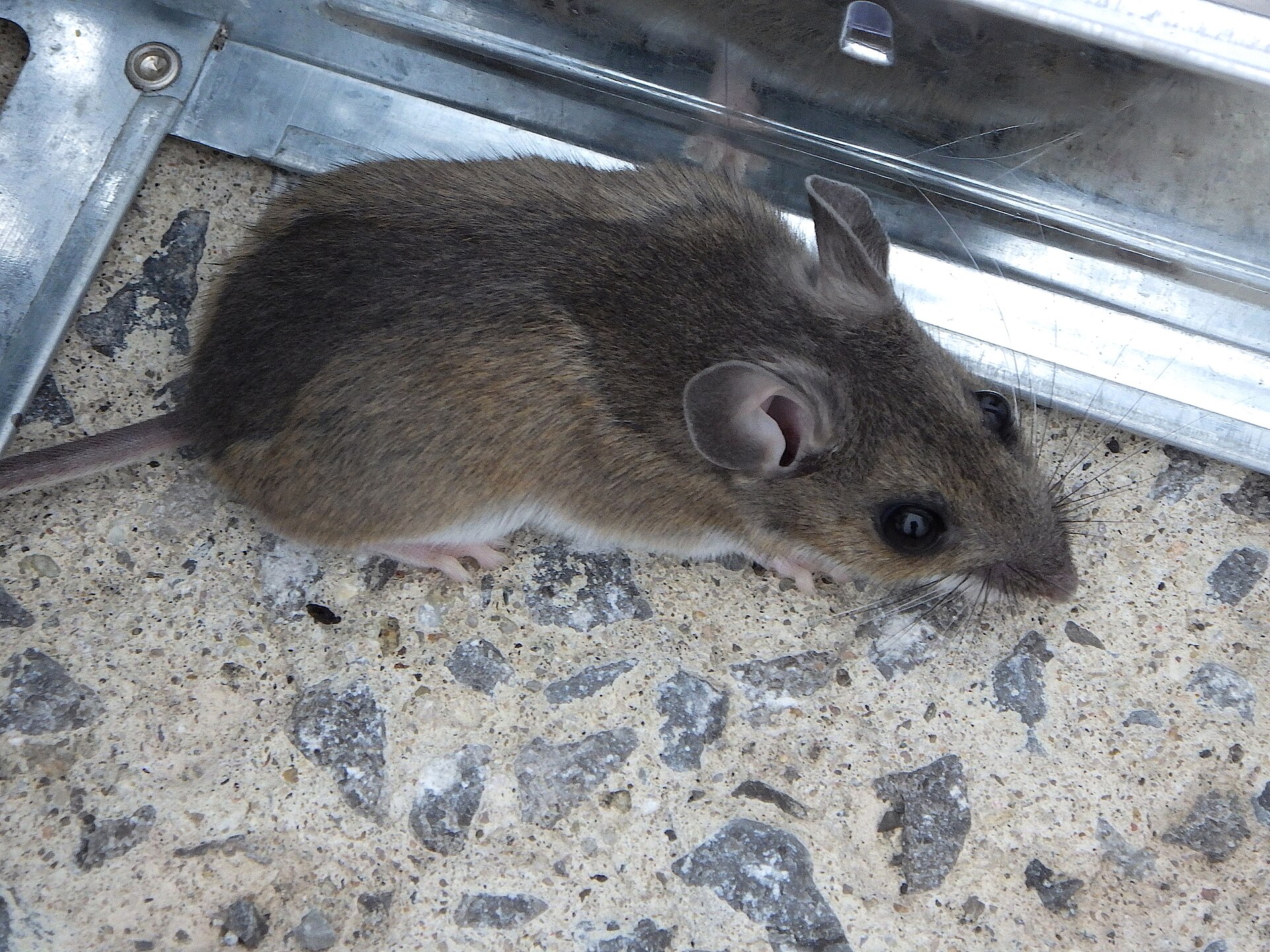
RodentsMice can enter through small openings and establish activity near food, storage and warm nesting sites. Long-term control includes finding how they are getting inside.
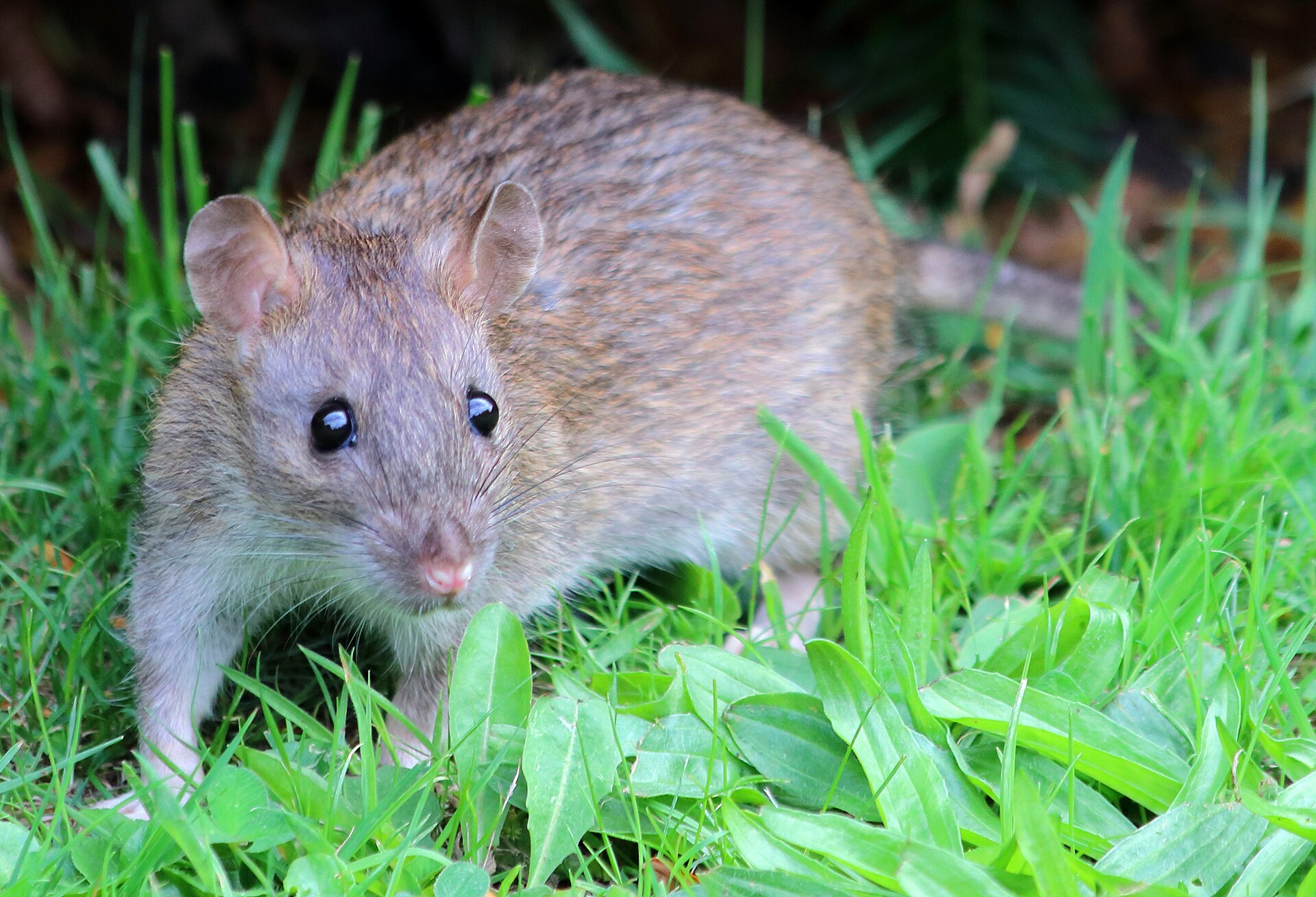
RodentsRat control requires careful inspection of travel routes, exterior harbourage, vents, utility areas, storage and food sources.
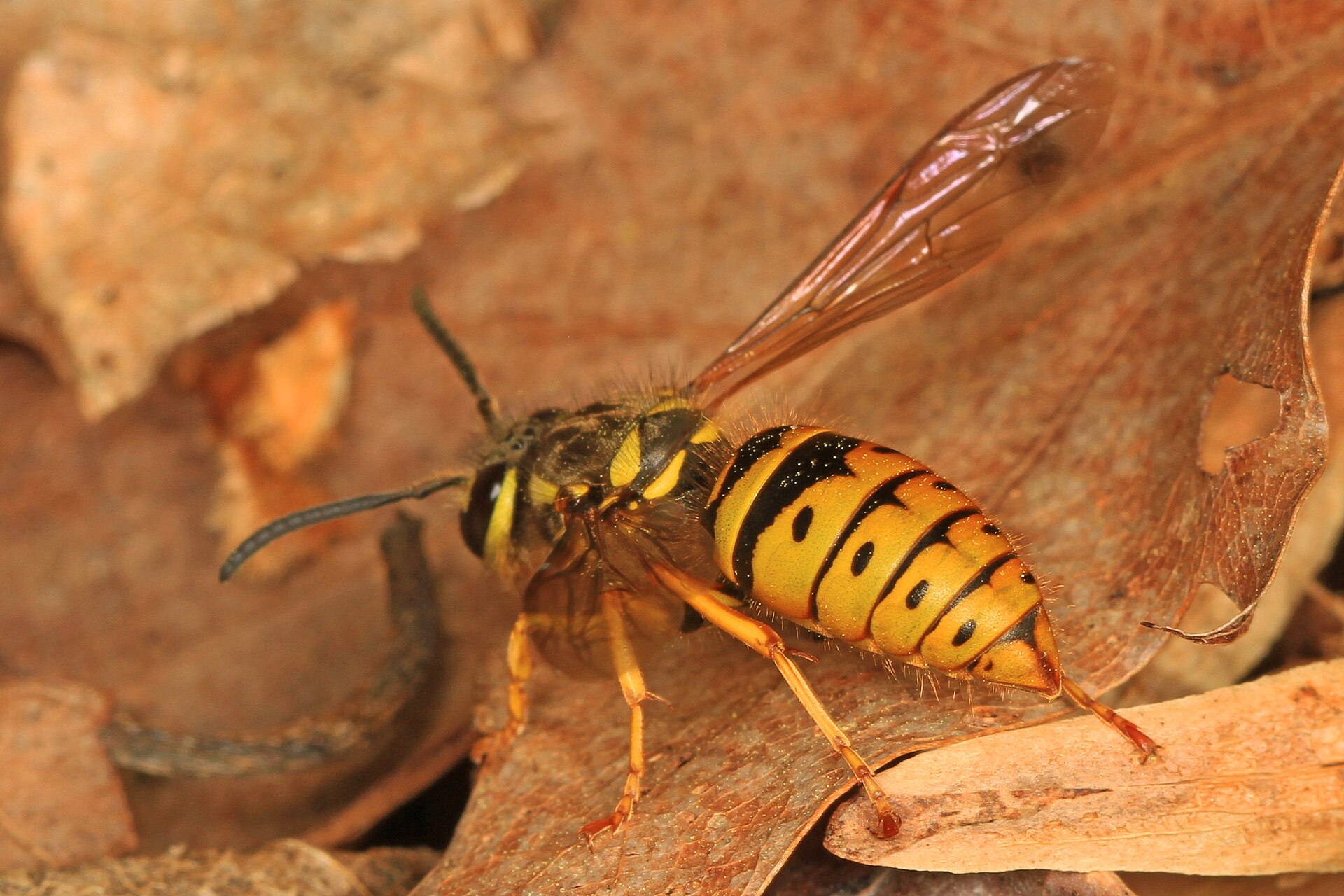
Stinging insectsWasp and hornet activity can occur around eaves, soffits, wall voids, sheds, decks and landscaping. Treatment depends on the nest location and species behaviour.
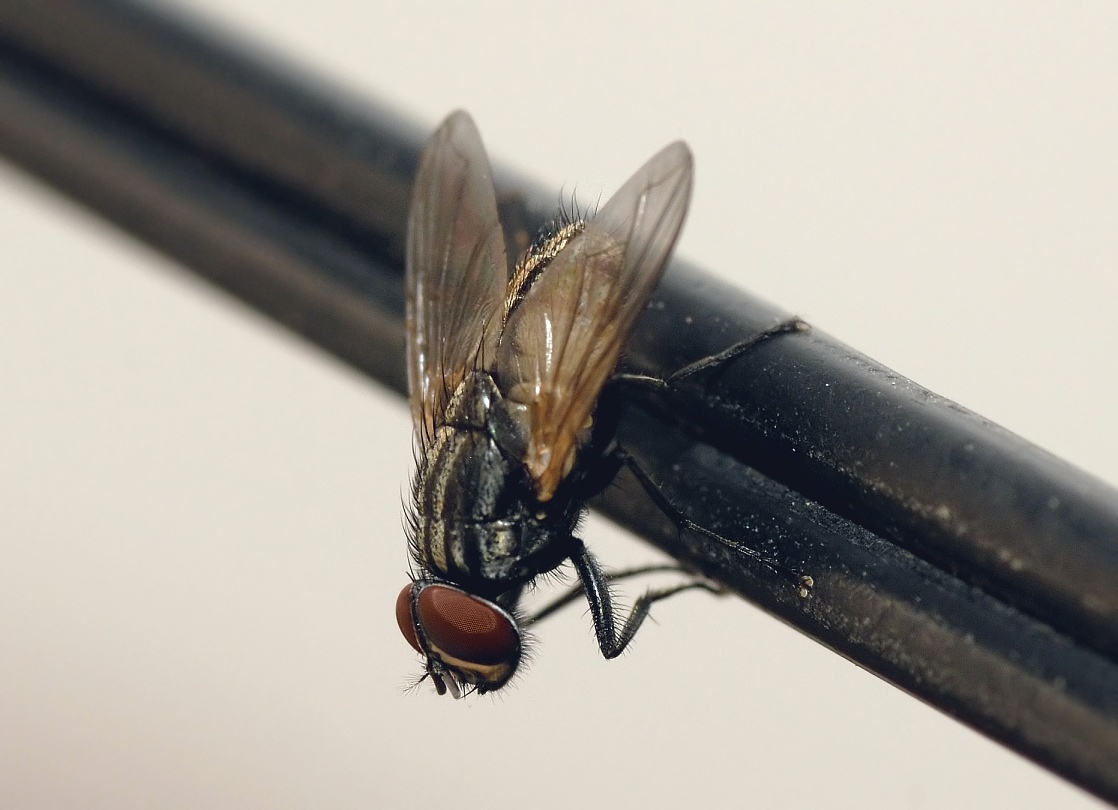
Flying insectsRecurring fly activity often points to a breeding or food source. Control works best when the source is identified rather than treating adult flies alone.
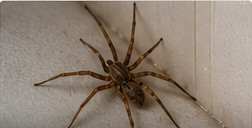
Occasional invadersSpider activity is often connected to insect prey, exterior lighting, webs and protected harbourage around the structure.
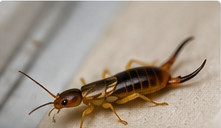
Occasional invadersEarwigs prefer damp, protected areas and may move indoors from mulch, vegetation, foundation edges and moisture-prone spaces.
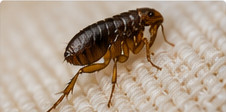
Biting pestsFlea control requires attention to the insect lifecycle, pet resting areas and indoor harbourage because immature stages can remain in the environment.
Try a broader search, clear the filters or upload a photo for preliminary identification.
Identify From a PhotoThese expanded guides go beyond basic identification with lifecycle, look-alikes, inspection clues, property risks, prevention, professional strategy, FAQs and authoritative references.
RodentsA detailed Ontario house mouse guide covering droppings, nesting, entry points, behaviour, inspection clues, exclusion and professional control.
Read detailed guide →Photo: Ahunt / Wikimedia Commons (CC0)
RodentsIdentify deer mice in Ontario, understand their white belly and two-tone tail, seasonal building entry, hantavirus concern, cleanup precautions and exclusion priorities.
Read detailed guide →Photo: U.S. National Park Service / Wikimedia Commons (public domain)
RodentsDetailed Norway rat guide for Ontario properties covering burrows, droppings, grease marks, behaviour, entry points, sanitation, exclusion and professional control.
Read detailed guide →Photo: Dunpharlain / Wikimedia Commons (CC BY-SA 4.0)
RodentsHow to distinguish roof rats from Norway rats, where roof rats harbour, what evidence to document and why Ontario identifications should be confirmed carefully.
Read detailed guide →Photo: H. Zell / Wikimedia Commons (CC BY 3.0)
Flying insectsDetailed phorid fly guide covering humpbacked appearance, erratic running, drains, plumbing leaks, decaying organic sources and commercial source-control strategy.
Read detailed guide →Photo: Charles Schurch Lewallen / Wikimedia Commons (CC BY 3.0)
Flying insectsIdentify metallic blue, green and copper blow flies, understand what sudden indoor emergence can mean and learn how to locate carcass, waste and sanitation sources.
Read detailed guide →Photo: JJ Harrison / Wikimedia Commons (CC BY-SA 3.0)
Stored-product pestsA comprehensive Ontario guide to pantry and stored-food pests including flour beetles, grain beetles, Indianmeal moths, weevils, drugstore beetles and contaminated products.
Read detailed guide →Photo: Kaldari / Wikimedia Commons (CC0)
Stored-product pestsIdentify red and confused flour beetles, trace infestations to flour and processed grain products, and improve pantry or commercial dry-storage control.
Read detailed guide →Photo: Peggy Greb, USDA Agricultural Research Service / Wikimedia Commons (public domain)
Stored-product pestsDetailed guide to Oryzaephilus grain beetles in pantry and commercial food storage, including appearance, food sources, inspection and sanitation.
Read detailed guide →Photo: Clemson University–USDA Cooperative Extension Slide Series / Bugwood.org via Wikimedia Commons (CC BY 3.0 US)
Ant identificationIdentify yellow citronella ants, understand their lemon-like odour and subterranean nesting, and distinguish seasonal swarmers from termites.
Read detailed guide →Photo: Jacy Lucier / Wikimedia Commons (CC BY-SA 4.0)
Wood-destroying insectsDetailed Ontario termite guide covering swarmers, mud tubes, wood damage, termite-vs-ant identification, moisture, inspection and professional treatment options.
Read detailed guide →Photo: Judy Gallagher / Wikimedia Commons (CC BY 2.0)These focused guides cover appearance, habitat, visible evidence and practical prevention.
Use these local resources to prepare, document activity and understand what happens during professional service.
Upload a clear photo or send the evidence to our local team for professional confirmation.