
FIELD GUIDE

Rodent Exclusion Field Guide for Kitchens and Utility Areas

Droppings in a cabinet may be discovered far from the exterior opening. This field guide explains how a technician reads travel routes and why trapping, monitoring and repairs need to work together.

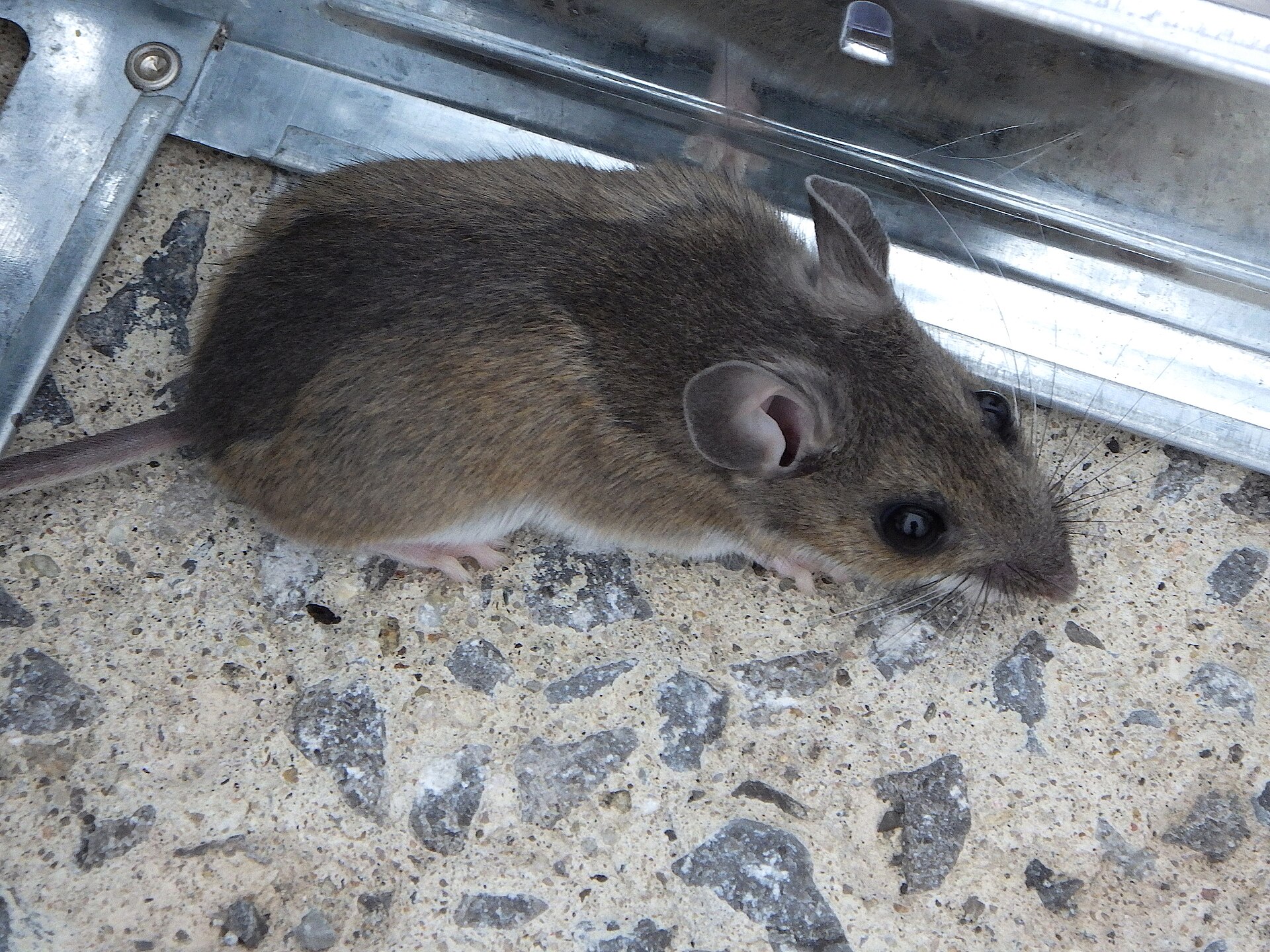
Pest-control reference image for Rodent Exclusion Field Guide for Kitchens and Utility Areas
Visual reference for Rodent Exclusion Field Guide for Kitchens and Utility Areas
01

Follow edges and utility routes

Rodents tend to use protected edges, cabinet voids and penetrations for plumbing, gas and electrical lines.

  • Check under sinks and appliances
  • Inspect pipe and cable openings
  • Look for rub marks and repeat droppings
02

Place control devices deliberately

Equipment is placed according to travel, safety and access—not simply in the middle of the room.

  • Keep devices undisturbed
  • Use tamper-resistant equipment where required
  • Record captures and bait consumption
03

Repair after understanding activity

Exclusion closes the route that allowed entry, while monitoring confirms whether activity remains inside.

  • Use rodent-resistant materials
  • Repair door and cabinet voids
  • Continue follow-up until fresh signs stop

Use evidence, not guesswork.

Photos, specimens, dates and exact locations help distinguish a one-time sighting from an active structural pest problem. Product use must follow the Canadian label and should match the identified pest and site.

LOCAL PEST HELP

Need help applying this guide to your property?

Tell us what you found and where the property is located. Emerald Pest Control serves homes and businesses across Eastern Ontario.

Call NowFree Quote