
INVASIVE SPECIES ALERT

Spotted Lanternfly in Ontario: What Property Owners Need to Know

The Canadian Food Inspection Agency confirmed Canada’s first spotted lanternfly detection in Windsor, Ontario on 15 September 2026. It is an invasive plant pest that damages grapevines, fruit trees and ornamentals. If you think you have seen one anywhere in Ontario, report it to the CFIA with photographs and an exact location — that is the action that matters, and it is not a pest control service call.

This page exists because Eastern Ontario property owners, and Prince Edward County’s grape growers in particular, are asking what the Windsor detection means for them. The short answer is that vigilance and reporting matter now, while the population is still confined.

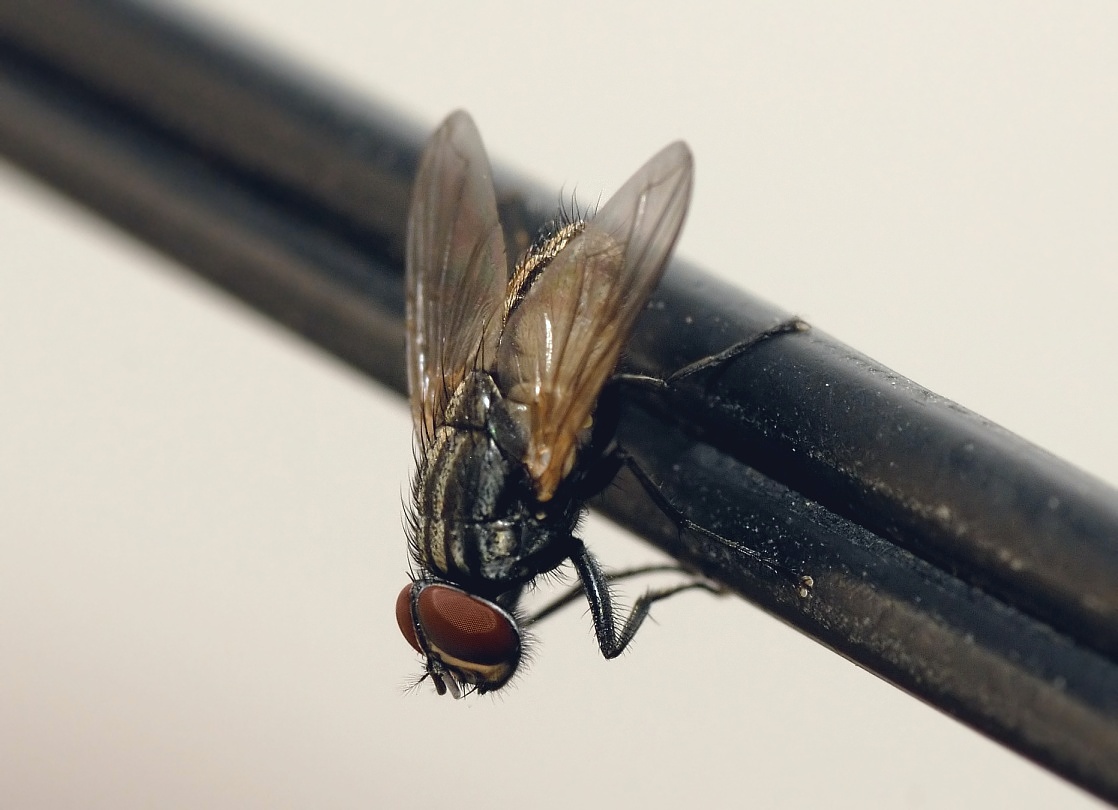
Pest-control reference image for Spotted Lanternfly in Ontario: What Property Owners Need to Know
Visual reference for Spotted Lanternfly in Ontario: What Property Owners Need to Know
01

What was found, and where

On 15 September 2026 the CFIA confirmed the first detection of spotted lanternfly in Canada, in Windsor, Ontario. Movement restrictions on regulated materials are in place and surveillance is under way to determine the extent of the infestation. Windsor is roughly 700 kilometres from Belleville, so this is a watch-and-report situation in Eastern Ontario rather than an active infestation.

  • Confirmed in Windsor on 15 September 2026
  • First detection anywhere in Canada
  • Movement restrictions now in place
  • No known Eastern Ontario population
02

Why it matters here

Spotted lanternfly feeds on the sap of more than 100 plant species and is especially damaging to grapevines, which makes Prince Edward County’s wine industry the obvious regional concern. It also affects fruit trees, hardwoods, nursery stock and ornamental plantings in residential yards and parks.

  • Severe impact on grapevines
  • Affects fruit trees and hardwoods
  • Damages nursery and ornamental stock
  • Produces honeydew and sooty mould
03

Identifying the adult

Adults are about 25 millimetres long at rest, with greyish forewings marked with black spots and a bright red underwing that shows when they open or fly. They are conspicuous insects and most people who see one remember it. Adults are present from midsummer into autumn.

  • About 25 mm long at rest
  • Grey forewings with black spots
  • Bright red hindwings, visible in flight
  • Present midsummer through autumn
04

Egg masses are the autumn priority

From autumn into spring the insect is present as egg masses rather than adults, and this is what to look for now. Egg masses appear as greyish-brown putty-like smears about 25 to 40 millimetres long, laid on tree trunks, stone, outdoor furniture, vehicles, trailers and equipment. They are easily mistaken for dried mud.

  • Grey-brown, putty-like smears
  • 25–40 mm long
  • On trunks, stone, vehicles and equipment
  • Look now through to spring
05

How to report a sighting

Report suspected sightings to the Canadian Food Inspection Agency. A useful report includes clear photographs and an accurate location, and the CFIA follows up, which may include site surveys and collection. Reporting is the single most valuable thing an Ontario property owner can do at this stage.

  • Report to the CFIA immediately
  • Include clear photographs
  • Give an exact location
  • Keep the specimen if you can do so safely
06

Do not move it around

The species spreads primarily by hitchhiking. Egg masses travel on vehicles, trailers, firewood, camping gear, nursery stock and outdoor furniture. Checking your vehicle and equipment after visiting an affected area is a genuinely effective preventive measure.

  • Do not move firewood
  • Check vehicles and trailers
  • Inspect camping and outdoor equipment
  • Buy nursery stock from reputable sources
07

This is not a pest control service call

Spotted lanternfly is a regulated plant pest under active CFIA management, not a structural pest. Emerald does not treat it and you should be cautious of any company offering to. If you have found an insect you cannot identify, our pest identifier can help you work out what it is — and if it is a lanternfly, the next step is the CFIA, not a treatment.

  • CFIA leads the response
  • Not a structural pest control service
  • Beware of opportunistic treatment offers
  • Use our pest identifier if unsure
COMMON QUESTIONS

Spotted Lanternfly in Ontario: What Property Owners Need to Know: questions we get asked

Is spotted lanternfly in Ontario?

Yes. The Canadian Food Inspection Agency confirmed Canada’s first detection in Windsor, Ontario on 15 September 2026. Movement restrictions are in place and surveillance is ongoing to establish how far it has spread. There is no known population in Eastern Ontario at this time.

What does a spotted lanternfly look like?

Adults are roughly 25 millimetres long at rest with greyish forewings marked by black spots, and bright red hindwings that show when they fly. From autumn through spring you are more likely to find egg masses, which look like greyish-brown putty smears 25 to 40 millimetres long on tree trunks, stone, vehicles and outdoor equipment, and are easily mistaken for dried mud.

How do I report a spotted lanternfly in Ontario?

Report it to the Canadian Food Inspection Agency. Include clear photographs and an accurate location — those two things make a report actionable. The CFIA follows up on reports and may carry out site surveys and insect collection. If you can safely collect the specimen, keep it.

Does spotted lanternfly harm people or houses?

No. It does not bite, sting or damage buildings. The damage is to plants: it feeds on sap from more than 100 species and is particularly destructive to grapevines, which is why the wine and grape sector is most concerned. It also produces honeydew that encourages sooty mould on whatever is beneath it.

Can Emerald Pest Control treat spotted lanternfly?

No. It is a regulated plant pest under CFIA management rather than a structural pest, and it falls outside what a licensed structural pest control company does. If you have found an insect you cannot identify, use our pest identifier or send us a photograph and we will tell you what it is. If it turns out to be a lanternfly, the correct next step is a CFIA report.

Use evidence, not guesswork.

Photos, specimens, dates and exact locations help distinguish a one-time sighting from an active structural pest problem. Product use must follow the Canadian label and should match the identified pest and site.

LOCAL PEST HELP

Need help applying this guide to your property?

Tell us what you found and where the property is located. Emerald Pest Control serves homes and businesses across Eastern Ontario.

Call NowFree Quote