
Mouse Control in Belleville, Kingston & Eastern Ontario
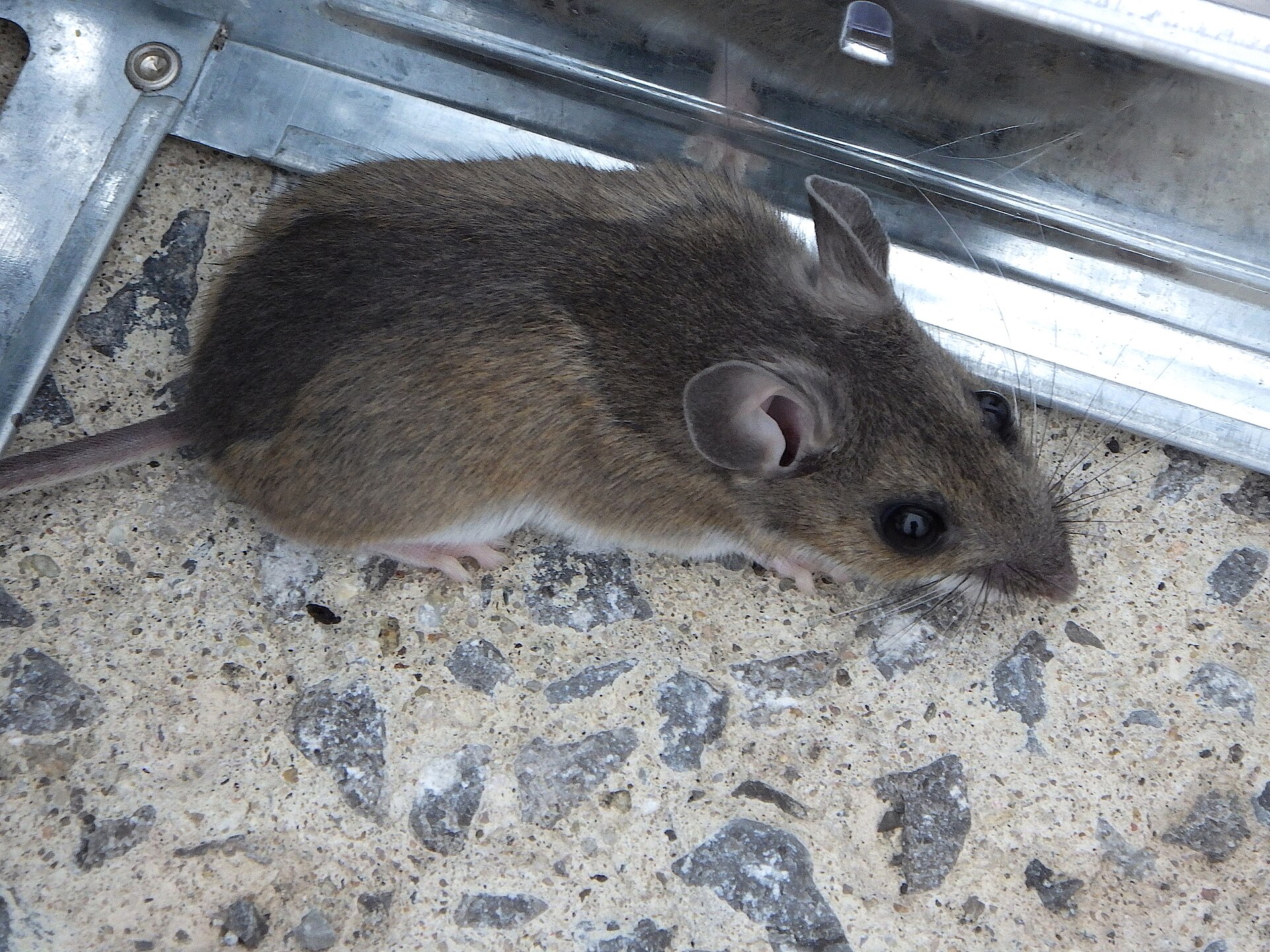
Mice can enter through small openings and establish activity near food, storage and warm nesting sites. Long-term control includes finding how they are getting inside.
 MouseInspect · Treat · Prevent
What to look for
- Droppings in cabinets or drawers
- Gnaw marks
- Scratching in walls or ceilings
Common concerns
- Food and surface contamination
- Recurring entry through structural gaps
A targeted control plan
Inspect travel routes and activity
Use traps or secure stations as appropriate
Identify and address entry points
Reduce conditions that support activity.
Mouse Control across Eastern Ontario
Explore local pest-control information for key communities we serve.
Mouse Control questions
Answers to common questions we hear from homeowners, tenants and businesses.
Will traps alone solve a mouse problem?
Traps can reduce activity, but recurring problems often continue when entry points, food sources or nesting conditions remain.
How are mice getting into the building?
Mice can use small gaps around doors, utility lines, vents, foundations and exterior finishes. An inspection focuses on likely entry routes as well as indoor activity.
Why do I keep finding droppings after trapping mice?
Droppings may remain from earlier activity, so cleaning and monitoring help distinguish old evidence from fresh activity. Continued new signs can indicate that mice are still present.
Are mouse bait stations safe around children and pets?
Professional stations are selected and placed to reduce access to the bait, but they still must be installed, secured and serviced correctly. Children and pets should never handle or move pest-control equipment.
How do I know when the mouse problem is under control?
The absence of fresh droppings, new gnawing, trap activity and other signs over a monitoring period is more useful than judging the problem from one quiet night.
When should mouse entry holes be sealed?
Exclusion is an important part of long-term control, but timing can depend on the active routes and treatment plan. The goal is to close access without trapping rodents in inaccessible areas.
Mouse control for autumn and winter starts with the evidence inside and the openings outside. A catch in the kitchen does not explain how the mouse entered, and a quiet trap does not prove the building is clear.
Mouse control, trapping and exclusion: what is the difference?
Trapping or another suitable control method addresses active mice. Exclusion repairs the accessible entry points that allow new activity. Monitoring checks whether the agreed measures are working. The right combination depends on the building and the inspection; extensive repairs and inaccessible openings may need a separate scope.
- Inspect foundation and utility penetrations, garage seals and door bottoms.
- Check kitchen, basement and storage routes as well as the room with the sighting.
- Ask which entry repairs, visits and follow-up checks are included in the written quote.
What to do when you find droppings
Photograph the location without disturbing the material, keep children and pets away, and protect food and utensils. Do not dry sweep or vacuum rodent droppings. Follow Health Canada’s wet-cleaning guidance; substantial contamination or inaccessible insulation needs a separate assessment.
- Record rooms and dates where new evidence appears.
- Store pantry goods, birdseed and pet food in hard, closed containers.
- Tell us about previous traps, bait, repairs and recurring sounds.
Homes, rentals and seasonal properties
A heated Belleville home, a Kingston rental and a closed Prince Edward County cottage have different access and monitoring needs. Describe whether anyone is living onsite, how a technician can enter and who can complete repairs. In multi-unit buildings, shared routes may need coordination with the property manager.
- Vacant cottage: arrange access and a named local contact.
- Rental: report evidence promptly and coordinate entry through management.
- Detached home: include garages and connected utility areas in the discussion.
Local service and next steps
Sources and further guidance
Need a mouse inspection before winter?
Tell us where you found evidence, your town and whether this is a home, rental or cottage.