
Rat Control in Belleville, Kingston & Eastern Ontario
Rat control requires careful inspection of travel routes, exterior harbourage, vents, utility areas, storage and food sources.
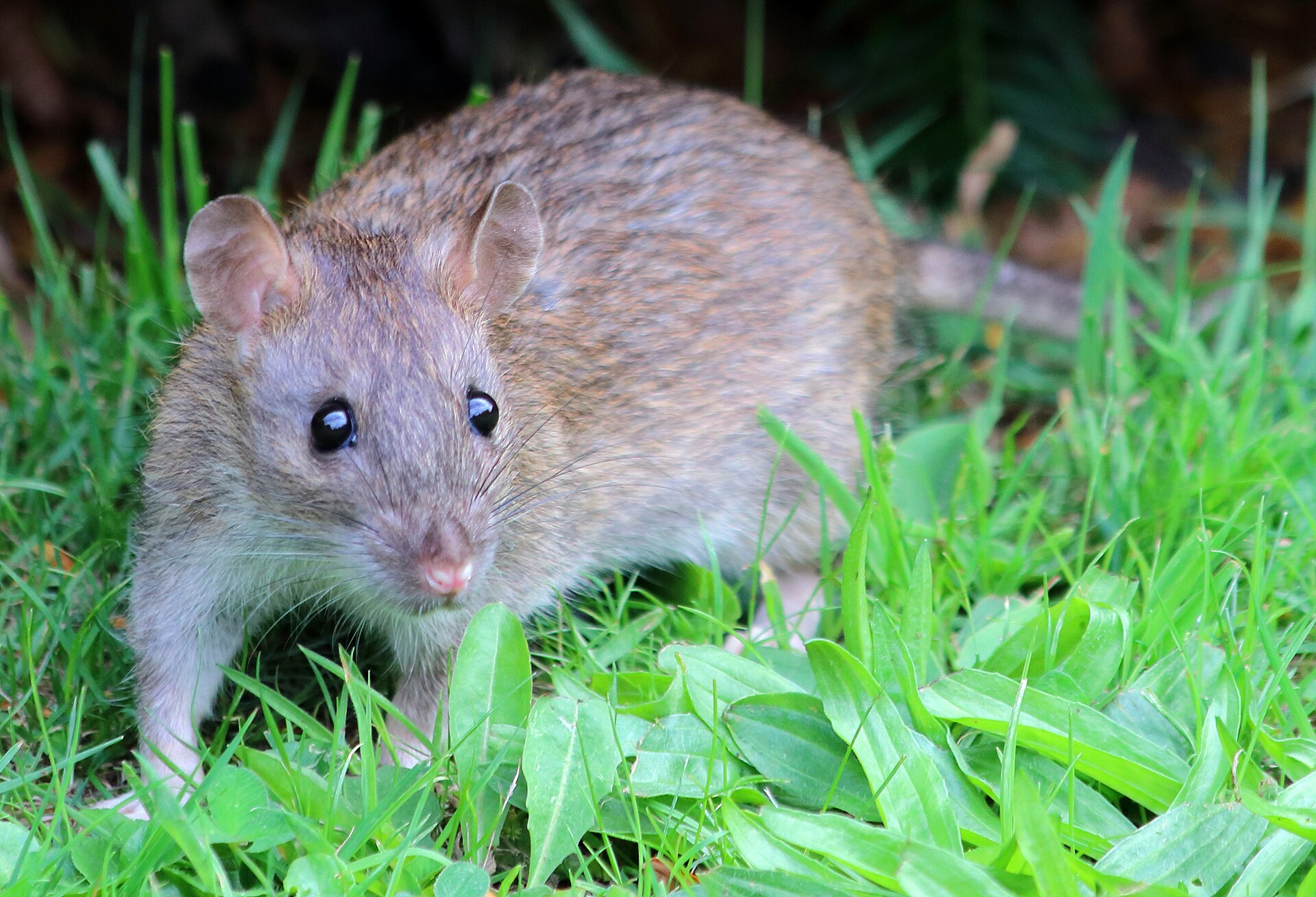 RatInspect · Treat · Prevent
What to look for
- Large rodent droppings
- Gnawing or damaged packaging
- Burrows, runways or grease marks
Common concerns
- Contamination
- Gnaw damage
- Burrowing and structural access
A targeted control plan
Inspect interior and exterior activity
Use secure trapping or station programs
Address entry points and contributing conditions
Reduce conditions that support activity.
Rat Control across Eastern Ontario
Explore local pest-control information for key communities we serve.
Rat Control questions
Answers to common questions we hear from homeowners, tenants and businesses.
Are rats only an outdoor problem?
No. Rats can enter structures through damaged vents, openings and utility routes and may nest indoors.
How can I tell whether I have rats or mice?
Dropping size, gnaw marks, tracks, entry points, sounds and travel patterns can help distinguish them. Correct identification matters because the control strategy can differ.
Why do rats keep returning to a property?
Reliable food, water, shelter, waste, vegetation and structural access can keep a site attractive. Long-term control usually includes reducing those conditions as well as controlling active rodents.
Is rodent bait alone enough for rats?
Not always. Bait or trapping may reduce activity, but exclusion, waste management, harbourage reduction and monitoring are often important for preventing recurrence.
Can rats enter through vents or damaged exterior covers?
Yes. Damaged vent covers, gaps around utilities and other structural openings can provide access. Exterior inspection is an important part of a rat-control plan.
How long does professional rat control take?
It varies with the size of the population, access, food sources, building layout and surrounding conditions. Some properties require ongoing monitoring rather than a single visit.
Rat activity around bins, garages, foundations and food storage needs an inspection of both the building and the surrounding conditions. Outdoor sightings and indoor evidence do not automatically call for the same treatment.
Signs worth reporting
Useful evidence includes a clear photograph, new gnawing, larger rodent droppings, repeated sightings and openings around the property. Size alone is an unreliable way to identify a rodent or judge the extent of activity. Keep away from suspect nesting material and avoid disturbing burrows.
- Note whether activity is indoors, outdoors or in an attached garage.
- Record nearby waste, feed, compost and water sources.
- Keep people and pets away from control devices and affected areas.
An inspection-led plan for autumn and winter
A rat plan should address access, food, shelter and active rodents together. Suitable devices and their placement depend on the site and risks to people, pets and other wildlife. Do not block an active opening blindly or scatter loose bait; have the control and repair sequence assessed.
- Discuss monitoring and the criteria used to judge progress.
- Repair bin lids, leaks and damaged door seals where appropriate.
- Keep stored material away from walls so evidence remains visible.
When to request prompt help
Repeated indoor evidence, activity in a food operation or accessible contaminated areas deserves prompt professional attention. A quote should distinguish pest control from building work and contamination cleanup. Service availability and the number of visits are confirmed for your property.
- Include photos and the approximate location of evidence in your enquiry.
- Tell us about any earlier treatment and continuing sightings.
- Ask for a written prevention and follow-up plan.
Local service and next steps
Sources and further guidance
Seeing rat activity at your property?
Send the location of the evidence and tell us whether food storage or occupied rooms are affected.