FLEA IDENTIFICATION

Cat fleas, dog fleas and flea larvae

Compare the common domestic flea, the less-common dog flea and the environmental larval stage.

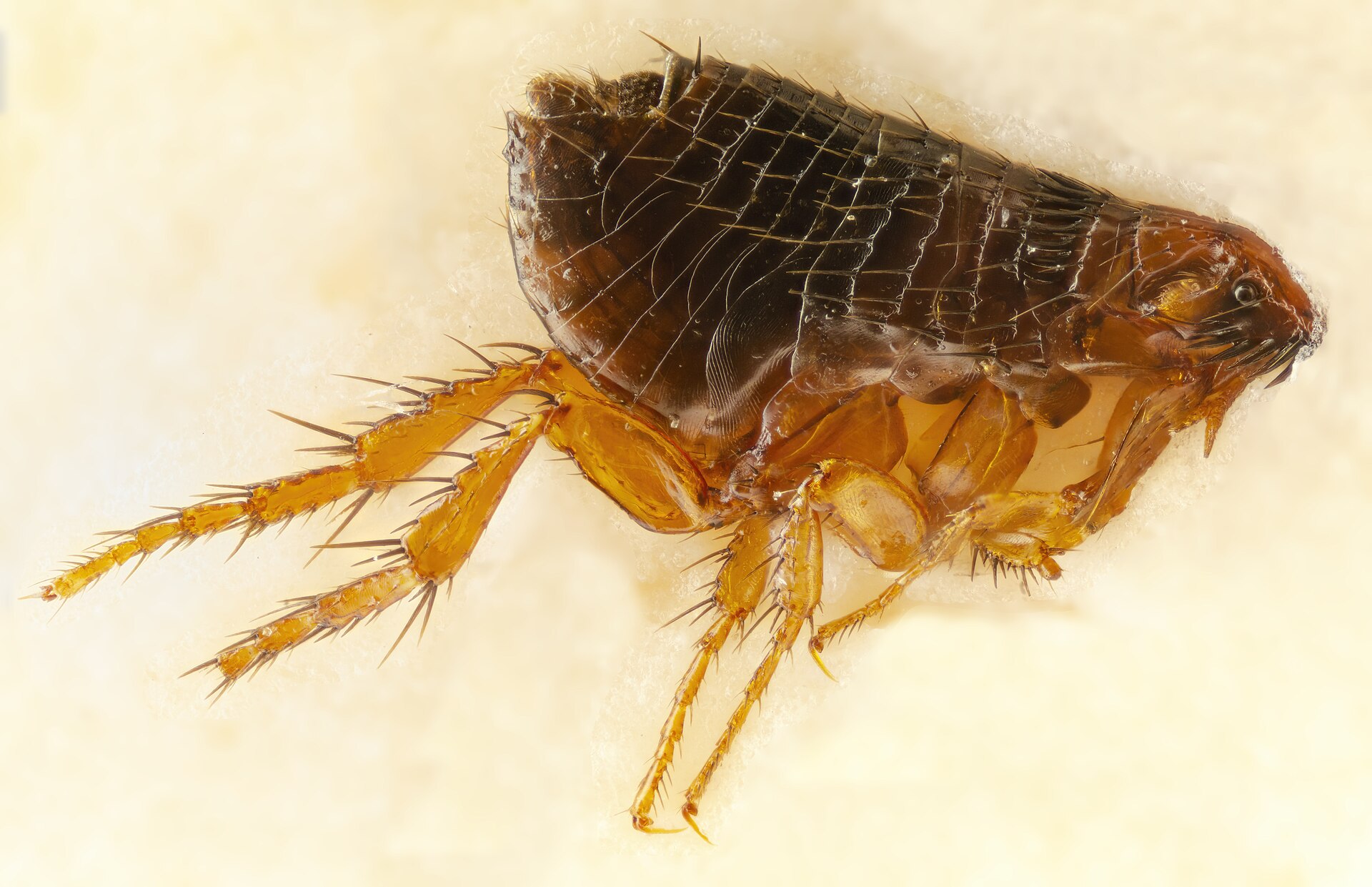
Magnified adult cat flea, Ctenocephalides felis
Reference image: Cat Flea. Zoologische Staatssammlung München / Wikimedia Commons.
WHY IDENTIFICATION MATTERS

Start with the pest, not the treatment.

The cat flea is the most common flea found on both cats and dogs in Canada. Adults live on hosts, while eggs and larvae develop in the surrounding environment, which is why pet care and property treatment must be coordinated.

COMMON FLEA FORMS

Compare the most relevant types

Each card uses an actual reference photograph of the pest or life stage named.

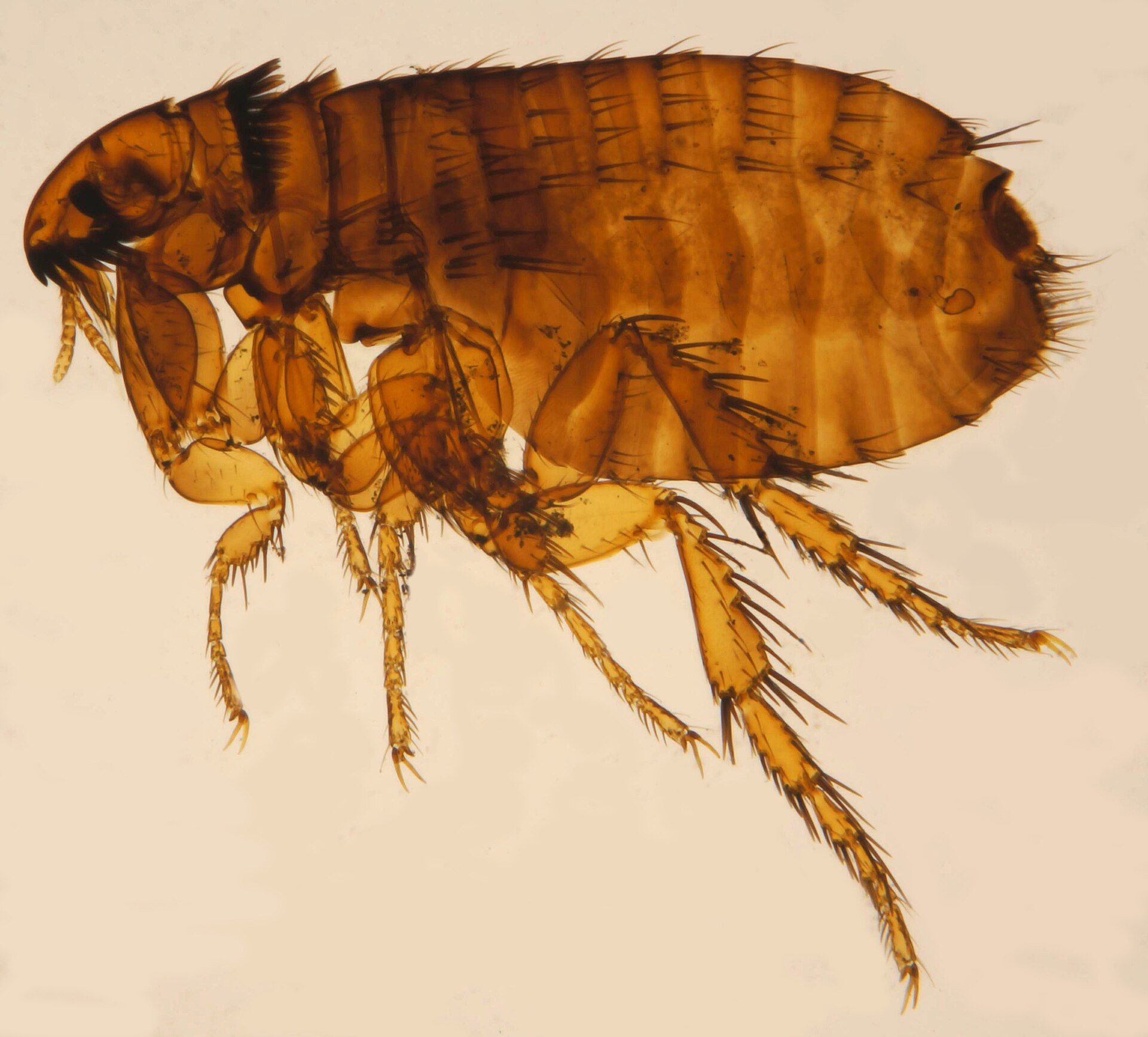
Magnified adult dog flea, Ctenocephalides canis
Ctenocephalides canis · Wikimedia Commons contributor

Dog Flea

A separate flea species that is less commonly encountered than the cat flea and usually requires magnification to distinguish.

Less common than the cat flea in Canada.

Size
About 2–4 mm
Appearance
Very similar to the cat flea; head shape differs under magnification
Usually found
Primarily dogs and wild canids
Ask for identification →
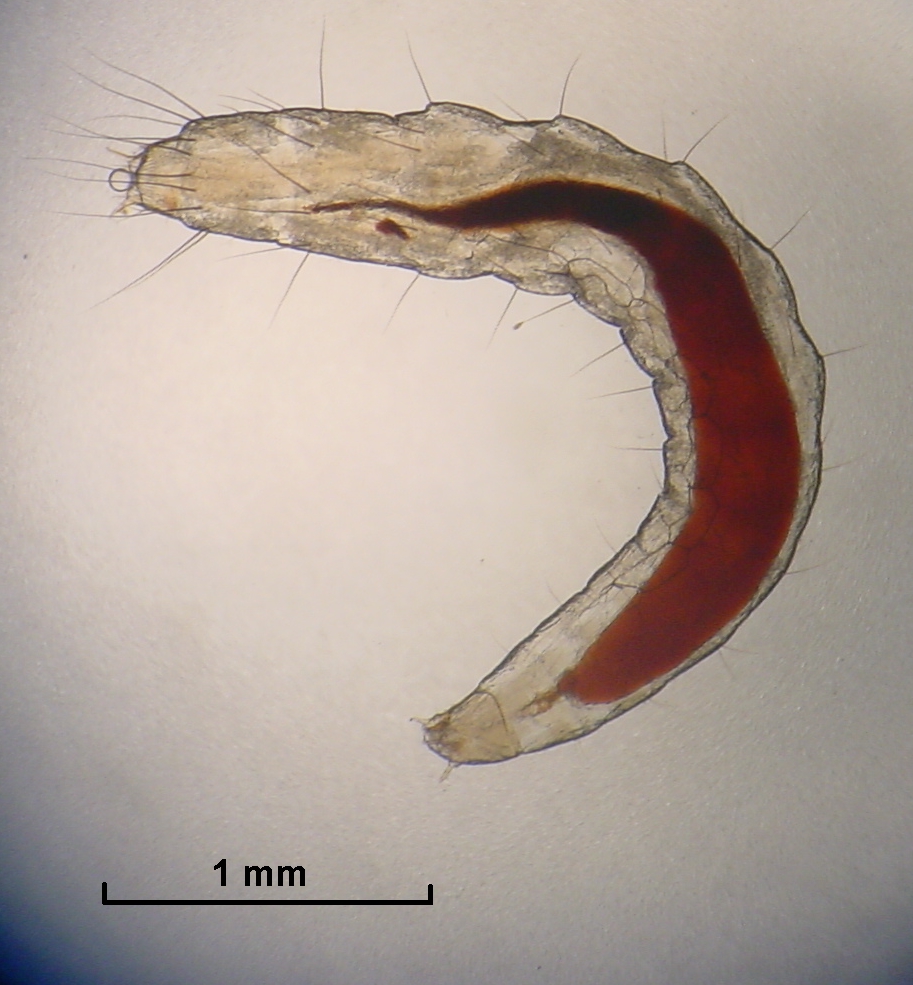
Microscope photograph of a flea larva
Ctenocephalides spp. · Kalumet / Wikimedia Commons

Flea Larva

The environmental stage feeds in protected debris and looks completely different from a jumping adult flea.

Size
About 2–5 mm
Appearance
Pale, legless and worm-like with fine hairs
Usually found
Carpet edges, cracks, pet bedding and protected debris
Ask for identification →
QUICK COMPARISON

How to tell them apart

TypeSizeAppearanceTypical locationActivity
Cat FleaAbout 1.5–3 mmDark, wingless and laterally flattened with strong hind legsOn cats and dogs; pet bedding and resting areasYear-round indoors when hosts are present
Dog FleaAbout 2–4 mmVery similar to the cat flea; head shape differs under magnificationPrimarily dogs and wild canidsYear-round where established
Flea LarvaAbout 2–5 mmPale, legless and worm-like with fine hairsCarpet edges, cracks, pet bedding and protected debrisDevelops off the host in the environment
COMMON EVIDENCE

Signs worth documenting

  • Adult fleas jumping on pets or people
  • Flea dirt in pet fur or bedding
  • Pet scratching or grooming more than usual
  • Bites concentrated around ankles
  • Activity continuing as immature stages emerge
IDENTIFICATION TIP

Get a safer, clearer answer

Bites alone are not diagnostic. Use a flea comb on pets with veterinary guidance and inspect pet resting areas for adults and flea dirt.

Identify a Pest From a Photo
LOCAL PEST HELP

Concerned about fleas?

Send Emerald Pest Control a clear photo and property details for professional confirmation and appropriate next steps.

Call NowFree Quote