Observe
Locate the repeat flight path and identify the opening, ground entrance or exposed nest.
 Call (613) 743-8074
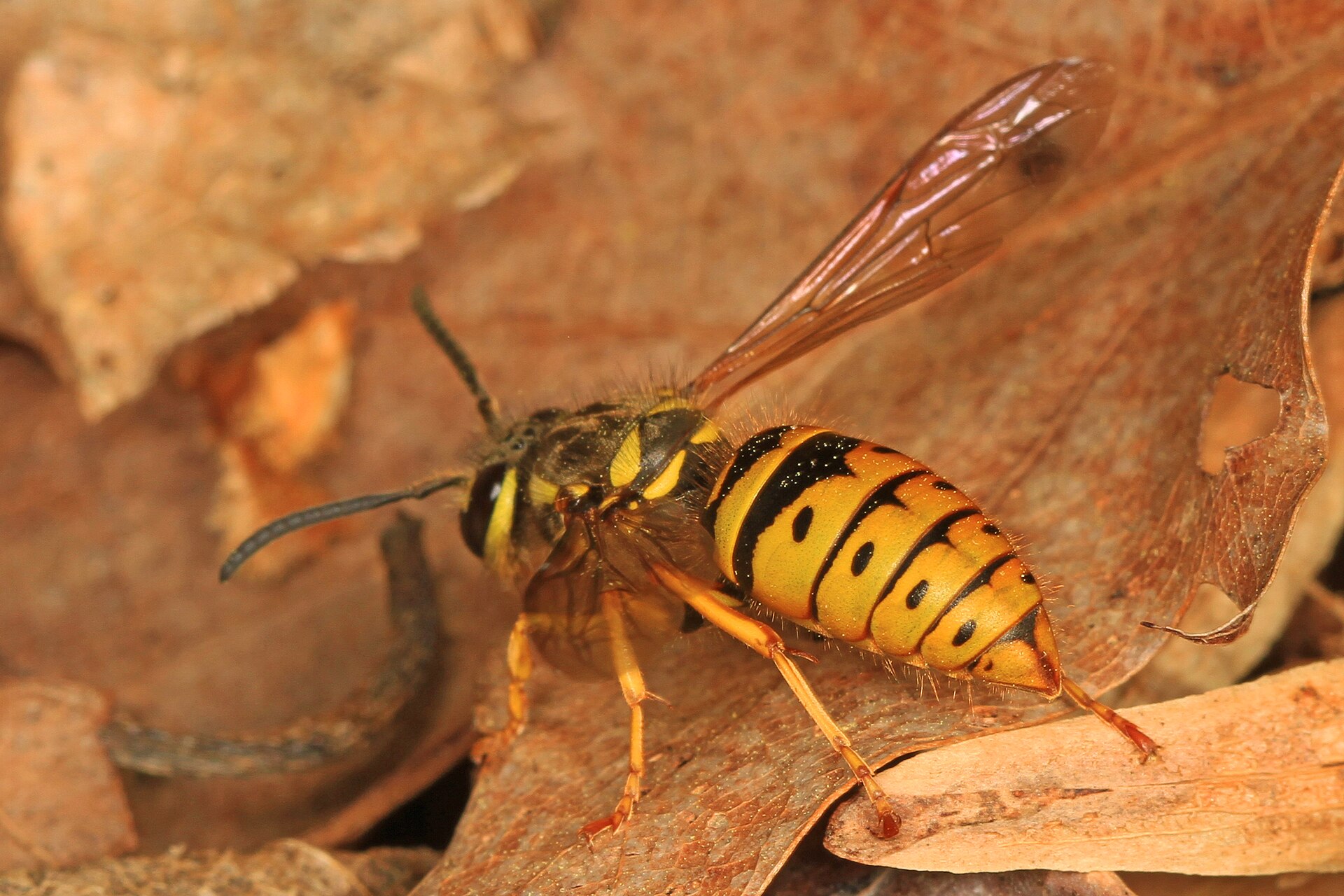
A wasp nest near a guest entrance, deck, patio or outdoor amenity can become an urgent hosting problem. Emerald Pest Control provides professional wasp and hornet assessment for cottages, Airbnbs, vacation rentals and rural properties across our Eastern Ontario service area.
Send the property address, next check-in date, where the wasps are active and how access can be arranged. If it is safe to do so, include a photo of the nest or the exterior opening being used.
Send the property details and photos →Seasonal and remotely managed properties create a different service challenge from an occupied city home. Owners may be off-site, guest turnover can be close, and nests can develop around sheds, decks, rooflines and other areas that are not checked every day. We focus first on the active flight path and the areas people actually use.
Locate the repeat flight path and identify the opening, ground entrance or exposed nest.
Consider species, nest position, access, nearby people and whether the nest is exposed or concealed.
Apply an appropriate professional treatment to the active nest or entrance based on the site conditions.
After activity has ended, identify accessible gaps or property conditions that may deserve correction.
When wasps are repeatedly entering a soffit, wall gap or other structural opening, plugging that route before the nest is addressed can redirect activity to another part of the structure. Exclusion work should be timed after activity has stopped and the site has been assessed.
A visible paper nest is only one possibility. Repeated flight traffic is often the most useful clue when the nest itself is hidden.
Repeated traffic into roofline joints, soffit edges and fascia gaps can indicate a concealed nest inside the structure.
Wasps may use gaps around trim, cladding transitions, vents and other protected exterior openings.
Seasonal structures and quiet protected spaces can allow a nest to grow before owners or guests notice it.
Activity beside paths, lawns, gardens and play areas can create a sting risk even when no paper nest is visible.
Early inspection, good waste control and correctly timed exclusion can reduce the conditions that make guest and family areas attractive or accessible to wasps.
Read the cottage & Airbnb wasp-prevention guide →Not always. When safe access and permission are arranged in advance, service details can often be coordinated with the owner, cleaner, co-host or property manager. Provide clear access instructions when requesting service.
Tell us the property location, next check-in date, where the activity is occurring and whether anyone is currently staying at the property. Photos taken from a safe distance can help show the entrance or nest location.
No. If wasps are actively using an opening, sealing it first can redirect activity into another part of the structure. Exclusion should be timed after the nest is addressed and activity has stopped.
Yes, subject to safe road and property access. Include gate, driveway, parking and property-access information when the location is rural or remotely managed.
Yes. The service begins by identifying the active flight path and nest location, then assessing access, risk and the appropriate treatment approach.
Request service for your cottage, Airbnb or short-term rental and include the next check-in date, activity location and access details.