
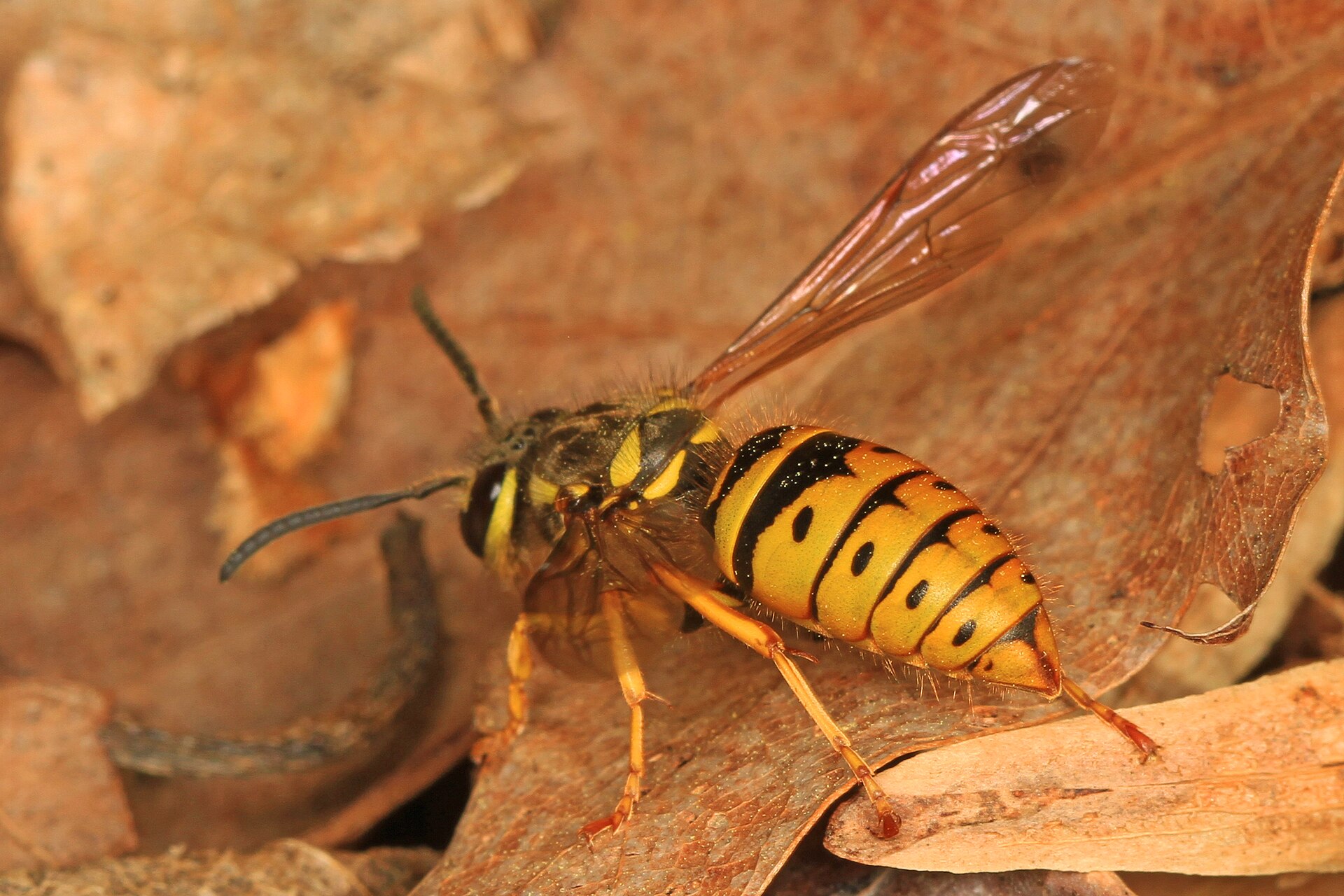
Before peak guest season
Walk the exterior before patios, decks and outdoor amenities become busy. Early activity may be easier to notice before a nest grows and before frequent guest turnover makes access difficult.
- Check soffits, fascia, sheds, porches and deck undersides
- Look for repeated flight activity rather than isolated foraging insects
- Photograph suspicious entrances from a safe distance
- Record areas that have had nests in previous seasons
During summer turnovers
Cleaners and property managers are often the first people to notice a new flight path. Give them a simple reporting process so activity is documented before the next guest arrives.
- Report the exact exterior location, not just “wasps outside”
- Note whether activity is near a door, deck, hot tub, barbecue or play area
- Do not knock down or disturb an occupied nest
- Keep outdoor garbage, recycling and food residue controlled
When an active entrance is found
A steady stream of wasps entering a soffit, wall gap or ground opening should be treated as an active nest route. The safest next step is assessment and targeted treatment, not immediate sealing.
- Keep guests and workers away from the flight path
- Do not plug the entrance with caulk, foam, mesh or tape
- Avoid opening walls or soffits to search for the nest
- Provide the next check-in date when requesting service
After activity has ended
Prevention work belongs after the active nest is resolved. Accessible gaps and damaged exterior finishes can then be reviewed without trapping or redirecting active wasps inside the structure.
- Repair suitable soffit, fascia and trim gaps where appropriate
- Maintain screens, vents and exterior finishes
- Document the treated location for next season
- Recheck recurring nesting areas during future property openings