BED BUG IDENTIFICATION

Bed bug adults, nymphs and eggs

Compare the main bed bug life stages using real reference photographs and learn which evidence is more reliable than bites alone.

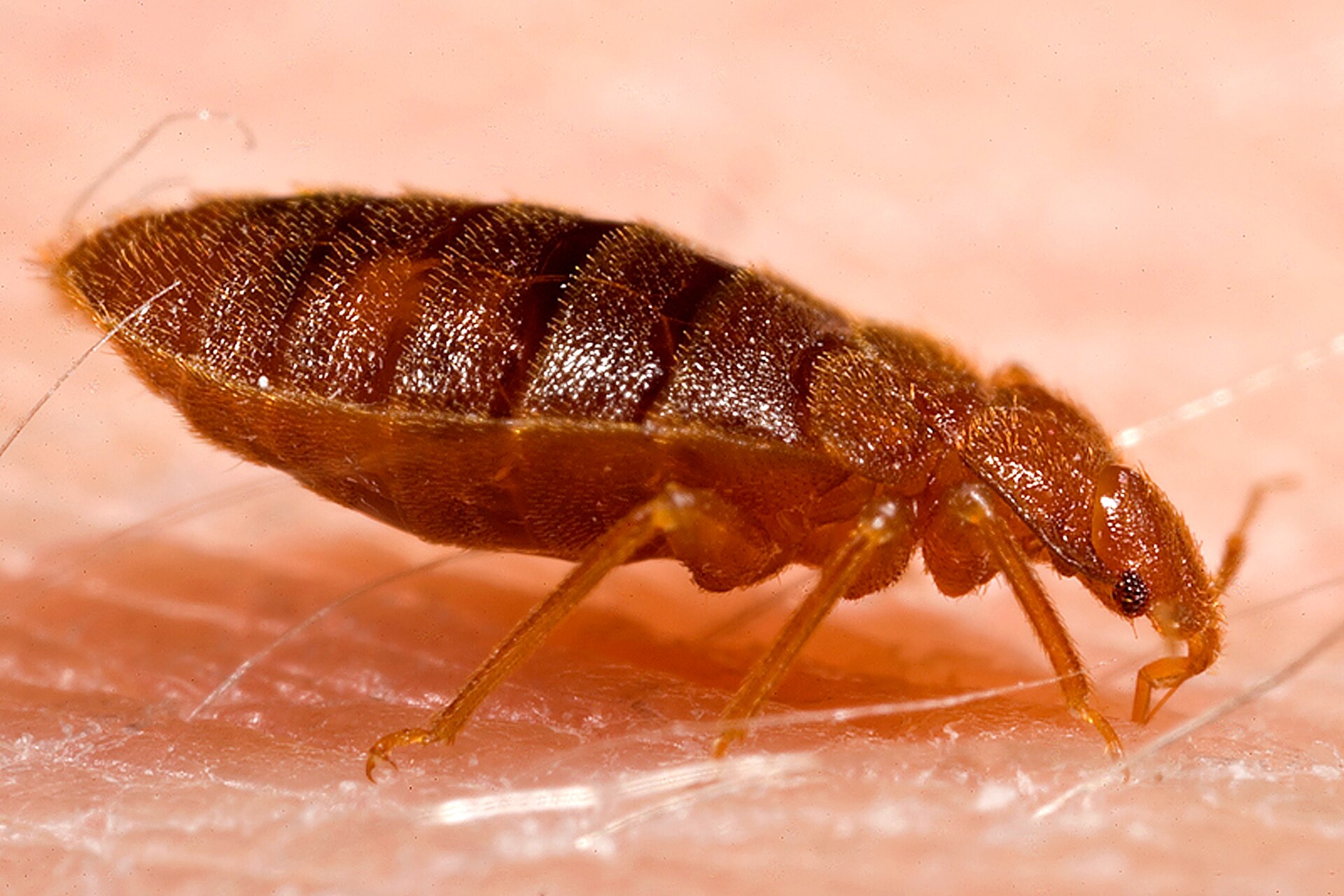
Adult common bed bug feeding, Cimex lectularius
Reference image: Adult Bed Bug. CDC PHIL / Wikimedia Commons.
WHY IDENTIFICATION MATTERS

Start with the pest, not the treatment.

Ontario structural infestations are usually caused by the common bed bug, Cimex lectularius. Adults, nymphs and eggs look different, so this category focuses on life stages rather than inventing multiple local species.

BED BUG LIFE STAGES

Compare the most relevant types

Each card uses an actual reference photograph of the pest or life stage named.

Adult common bed bug feeding, Cimex lectularius
Cimex lectularius · CDC PHIL / Wikimedia Commons

Adult Bed Bug

Adults are roughly apple-seed sized, wingless and visibly segmented. Their shape changes after a blood meal.

Size
About 4.5–7 mm
Appearance
Flat, oval and reddish brown; darker after feeding
Usually found
Mattress seams, bed frames, furniture and nearby cracks
Ask for identification →
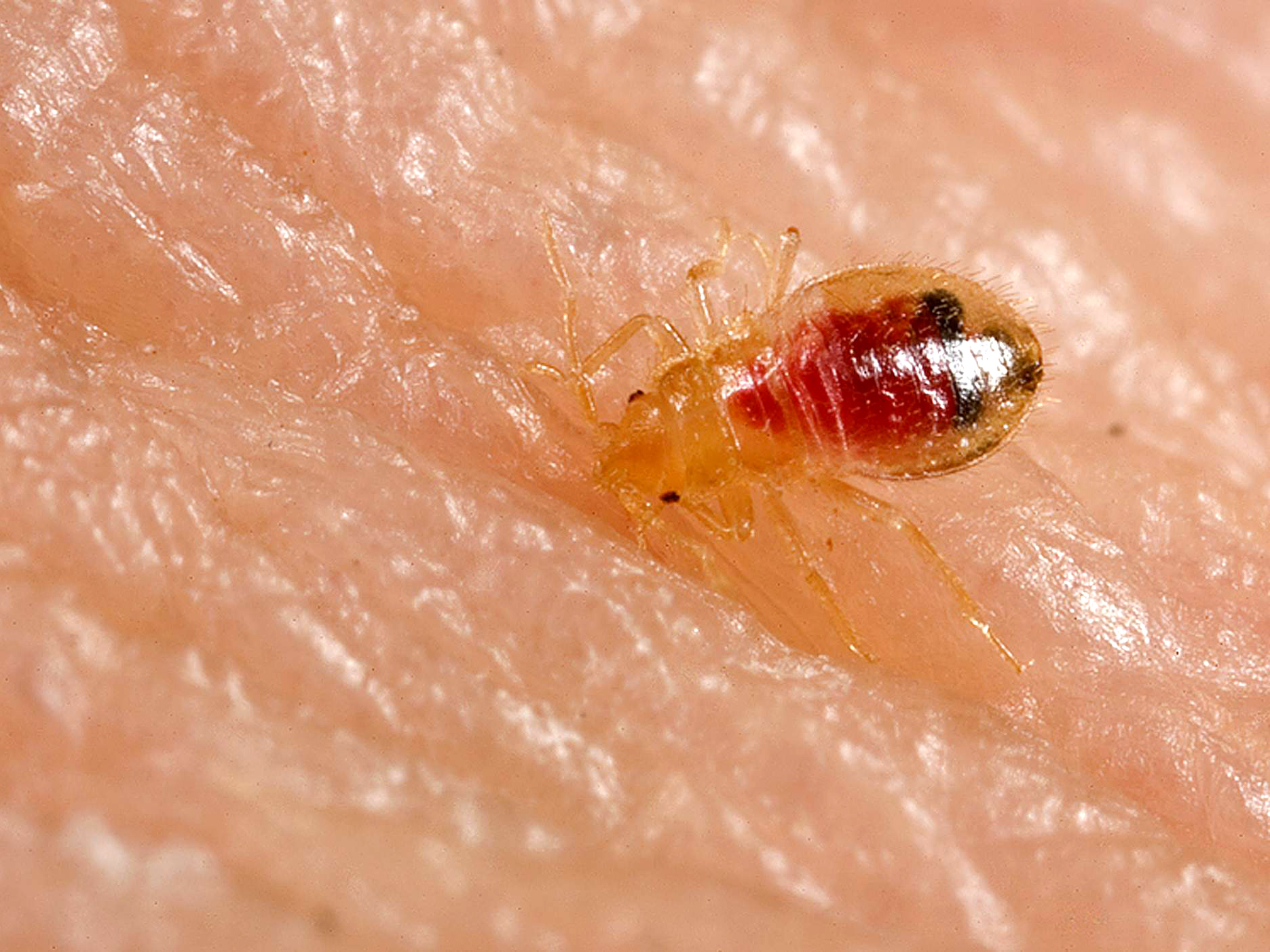
Common bed bug nymph feeding, Cimex lectularius
Cimex lectularius · CDC PHIL / Wikimedia Commons

Bed Bug Nymph

Nymphs pass through several stages and can be nearly translucent before feeding, which makes them easy to overlook.

Size
About 1.5–4.5 mm
Appearance
Smaller and paler than adults; red after feeding
Usually found
The same harbourage as adults, often deep in seams
Ask for identification →
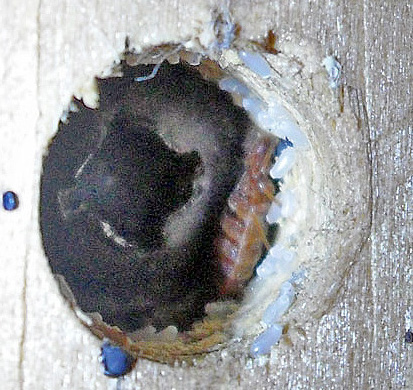
Bed bugs and pale bed bug eggs in a harbourage
Cimex lectularius · Wikimedia Commons contributor

Bed Bug Eggs

Eggs are tiny, pale and cemented into protected harbourage. A flashlight and magnification can help confirm them.

Size
About 1 mm
Appearance
Pearl-white, elongated and attached to surfaces
Usually found
Protected cracks, seams and rough surfaces near hosts
Ask for identification →
QUICK COMPARISON

How to tell them apart

TypeSizeAppearanceTypical locationActivity
Adult Bed BugAbout 4.5–7 mmFlat, oval and reddish brown; darker after feedingMattress seams, bed frames, furniture and nearby cracksYear-round indoors
Bed Bug NymphAbout 1.5–4.5 mmSmaller and paler than adults; red after feedingThe same harbourage as adults, often deep in seamsYear-round indoors
Bed Bug EggsAbout 1 mmPearl-white, elongated and attached to surfacesProtected cracks, seams and rough surfaces near hostsPresent wherever an active population is reproducing
COMMON EVIDENCE

Signs worth documenting

  • Live adults or nymphs
  • Dark spotting along seams or harbourage
  • Pale eggs or shed skins
  • Blood marks on bedding
  • Repeated evidence near sleeping or resting areas
IDENTIFICATION TIP

Get a safer, clearer answer

Bites alone cannot confirm bed bugs. Preserve a specimen or clear close-up photo and inspect the surrounding harbourage for spotting, skins and eggs.

Identify a Pest From a Photo
LOCAL PEST HELP

Concerned about bed bugs?

Send Emerald Pest Control a clear photo and property details for professional confirmation and appropriate next steps.

Call NowFree Quote