
MOUSE IDENTIFICATION

House mice and deer mice in Eastern Ontario

Compare the two mouse groups most likely to be encountered in and around Eastern Ontario structures.

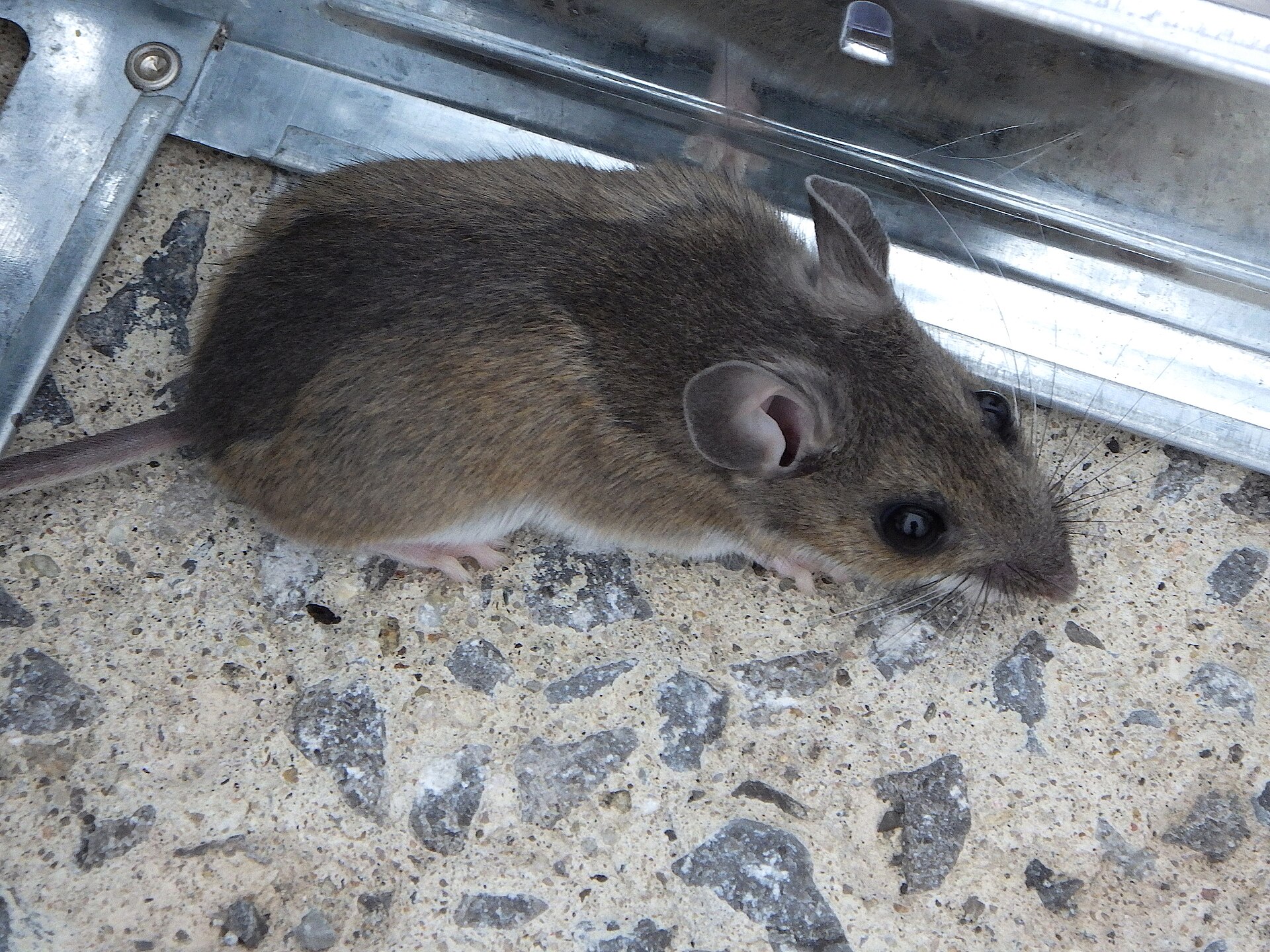
Wild house mouse photographed in Ottawa, Ontario, Mus musculus
Reference image: House Mouse. Ahunt / Wikimedia Commons.
WHY IDENTIFICATION MATTERS

Start with the pest, not the treatment.

The house mouse is the main mouse that establishes indoor structural infestations. Deer mice are native outdoor rodents that may enter seasonal properties, garages and rural buildings, especially as weather cools.

COMMON MOUSE TYPES

Compare the most relevant types

Each card uses an actual reference photograph of the pest or life stage named.

Wild house mouse photographed in Ottawa, Ontario, Mus musculus
Mus musculus · Ahunt / Wikimedia Commons

House Mouse

A small adaptable rodent that can reproduce indoors and use very small structural openings.

Size
Body about 6–10 cm
Appearance
Grey-brown with a mostly uniform belly and thin tail
Usually found
Kitchens, wall voids, cabinets, storage and utility areas
Ask for identification →
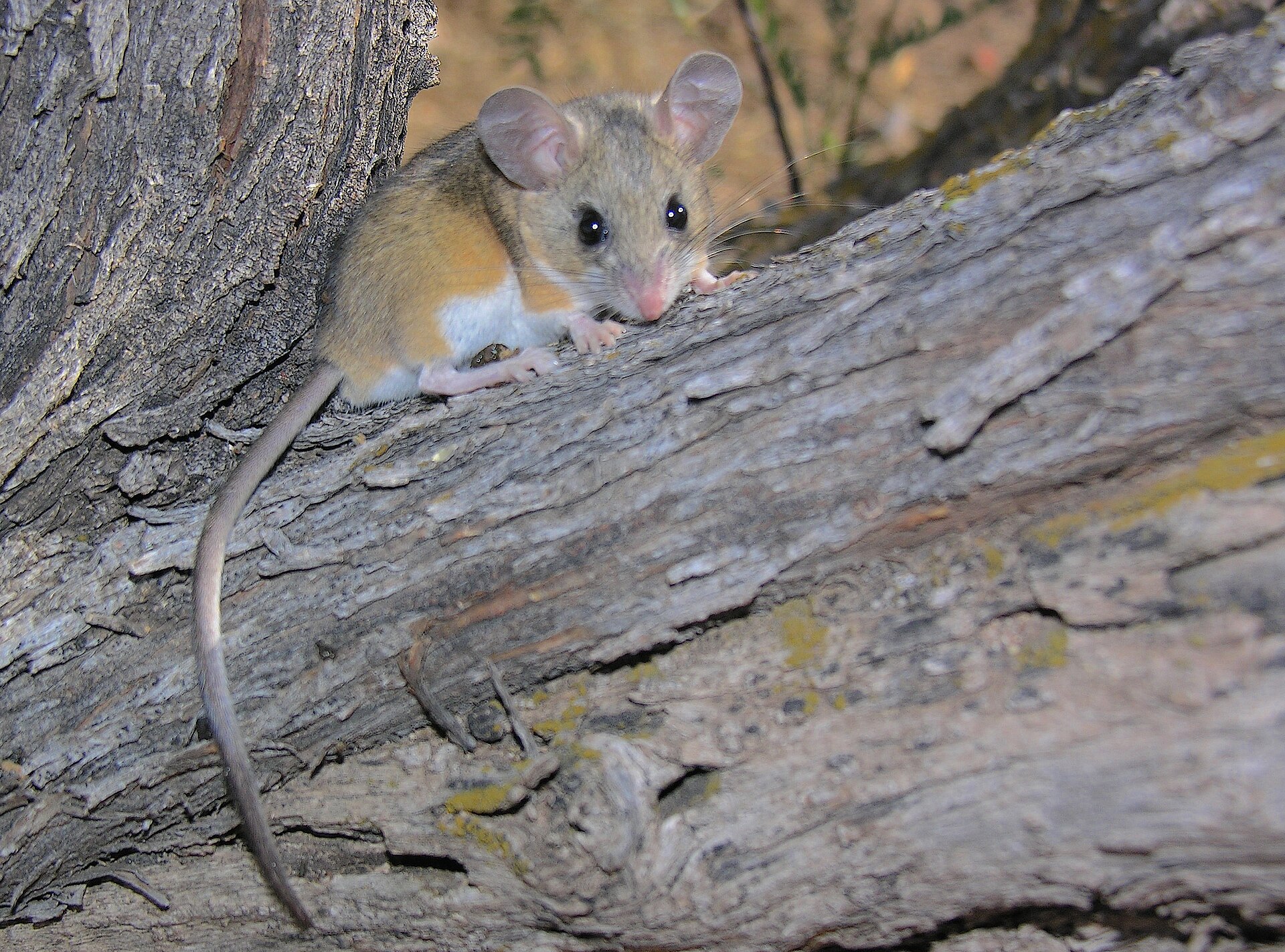
Deer mouse with brown back and sharply white underside, Peromyscus maniculatus
Peromyscus maniculatus · Gregory Smith / Wikimedia Commons

Deer Mouse

A native field mouse that may enter buildings from wooded or rural surroundings but is visually distinct from the house mouse.

Size
Body about 7–10 cm
Appearance
Brown back, sharply white belly and often a two-tone tail
Usually found
Rural buildings, cottages, garages and stored materials
Ask for identification →
QUICK COMPARISON

How to tell them apart

TypeSizeAppearanceTypical locationActivity
House MouseBody about 6–10 cmGrey-brown with a mostly uniform belly and thin tailKitchens, wall voids, cabinets, storage and utility areasYear-round indoors
Deer MouseBody about 7–10 cmBrown back, sharply white belly and often a two-tone tailRural buildings, cottages, garages and stored materialsIndoor entry often rises in fall and winter
COMMON EVIDENCE

Signs worth documenting

  • Small dark droppings along protected routes
  • Gnawing on food packaging or soft materials
  • Shredded nesting material
  • Noises in walls or ceilings
  • Rub marks or entry gaps around utilities
IDENTIFICATION TIP

Get a safer, clearer answer

Do not handle rodents or dry-sweep droppings. Photograph the animal or evidence from a safe distance and use appropriate cleanup precautions.

Identify a Pest From a Photo
LOCAL PEST HELP

Concerned about mice?

Send Emerald Pest Control a clear photo and property details for professional confirmation and appropriate next steps.

Call NowFree Quote