
RAT IDENTIFICATION

Norway rats and roof rats compared

Compare the two commensal rat species while keeping local likelihood in perspective for Eastern Ontario.

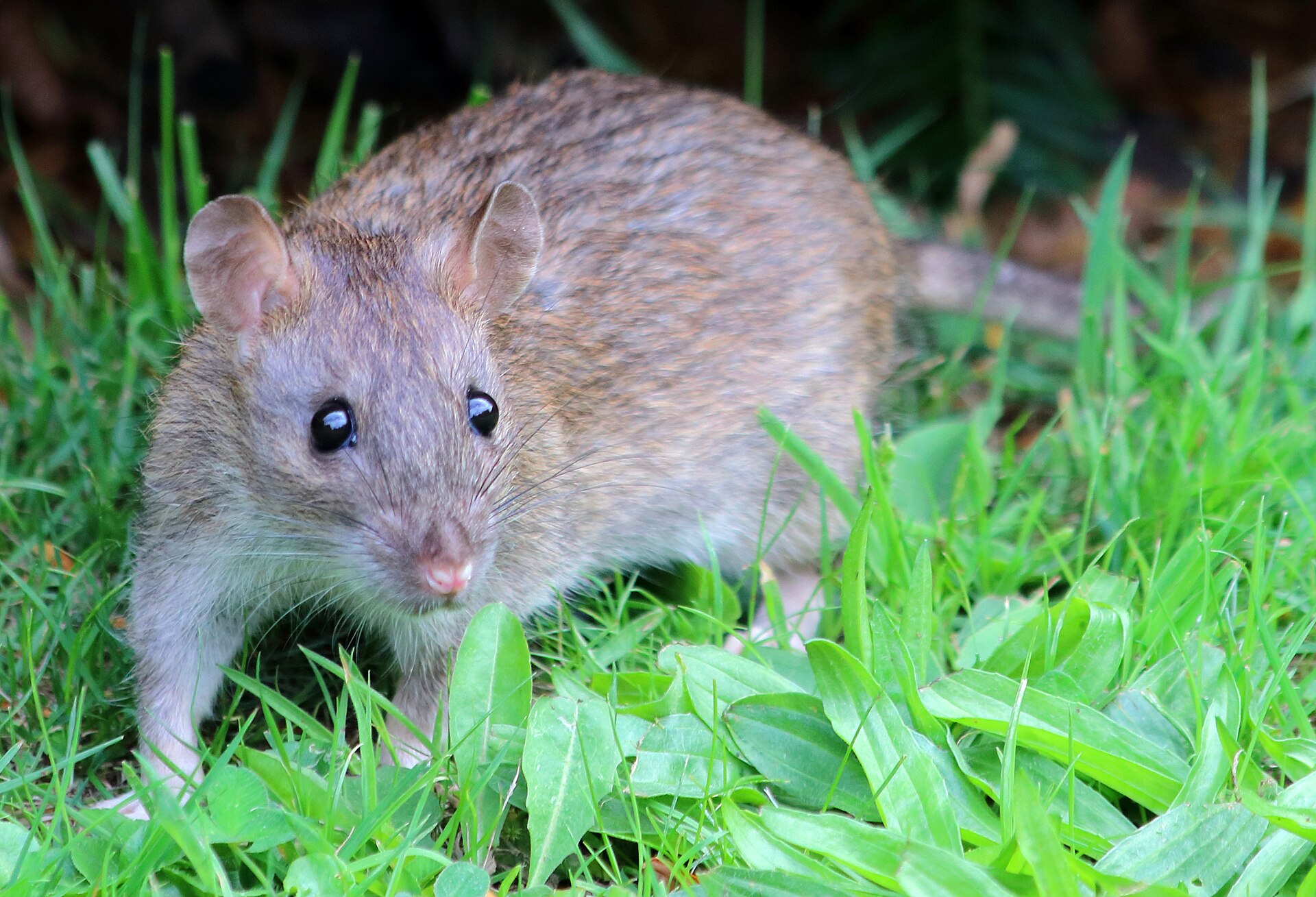
Brown Norway rat in an outdoor setting, Rattus norvegicus
Reference image: Norway Rat. Dunpharlain / Wikimedia Commons.
WHY IDENTIFICATION MATTERS

Start with the pest, not the treatment.

Norway rats are the rat most commonly associated with Ontario buildings, burrows and ground-level infrastructure. Roof rats are climbers but are uncommon in Eastern Ontario; a local sighting should be professionally confirmed.

COMMENSAL RAT SPECIES

Compare the most relevant types

Each card uses an actual reference photograph of the pest or life stage named.

Brown Norway rat in an outdoor setting, Rattus norvegicus
Rattus norvegicus · Dunpharlain / Wikimedia Commons

Norway Rat

The common structural rat in Ontario. It usually travels near ground level and may excavate burrows beside foundations.

Size
Body about 20–27 cm
Appearance
Heavy body, blunt muzzle, small ears and shorter tail
Usually found
Burrows, foundations, sewers, lower levels and waste areas
Ask for identification →
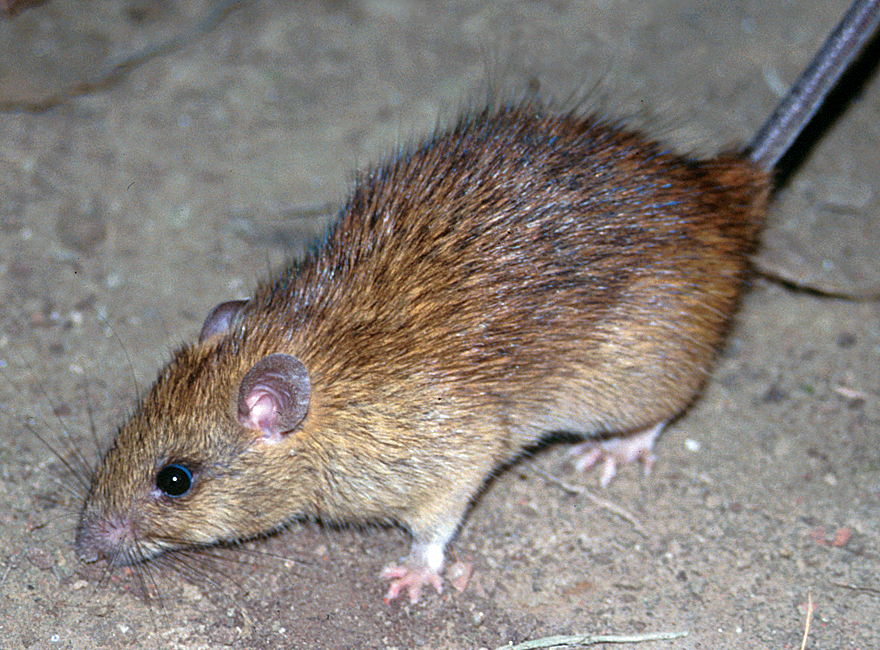
Black or roof rat showing a slender body and long tail, Rattus rattus
Rattus rattus · CSIRO / Wikimedia Commons

Roof Rat

An agile climbing rat that is much less common in Eastern Ontario than the Norway rat.

Uncommon locally—professional confirmation is recommended.

Size
Body about 16–20 cm
Appearance
Slender body, pointed muzzle, large ears and long tail
Usually found
Elevated harbourage, attics and dense vegetation
Ask for identification →
QUICK COMPARISON

How to tell them apart

TypeSizeAppearanceTypical locationActivity
Norway RatBody about 20–27 cmHeavy body, blunt muzzle, small ears and shorter tailBurrows, foundations, sewers, lower levels and waste areasYear-round
Roof RatBody about 16–20 cmSlender body, pointed muzzle, large ears and long tailElevated harbourage, attics and dense vegetationYear-round where established
COMMON EVIDENCE

Signs worth documenting

  • Large capsule-shaped droppings
  • Gnawing and damaged food containers
  • Burrows beside foundations or landscaping
  • Greasy rub marks on travel routes
  • Noises in lower walls, ceilings or attic spaces
IDENTIFICATION TIP

Get a safer, clearer answer

Dropping size, burrow location, tail proportions and travel height can help, but a photo or specimen provides stronger identification.

Identify a Pest From a Photo
LOCAL PEST HELP

Concerned about rats?

Send Emerald Pest Control a clear photo and property details for professional confirmation and appropriate next steps.

Call NowFree Quote