WASP & HORNET IDENTIFICATION

Common social wasps around Eastern Ontario properties

Compare yellowjackets, paper wasps and bald-faced hornets using exact species photographs and nest-location clues.

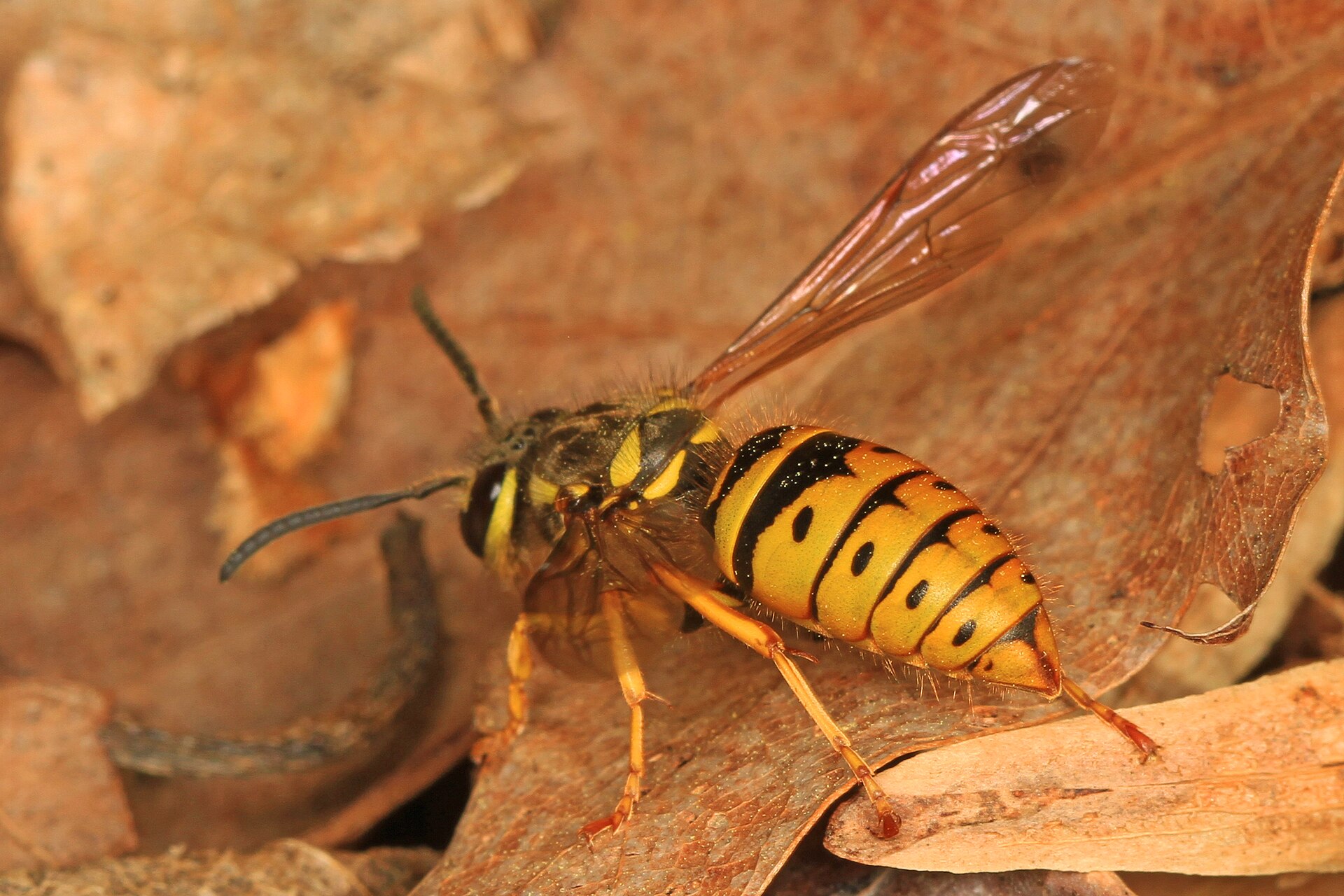
Eastern yellowjacket, Vespula maculifrons
Reference image: Eastern Yellowjacket. Judy Gallagher / Wikimedia Commons.
WHY IDENTIFICATION MATTERS

Start with the pest, not the treatment.

The nest location and body pattern often matter more than the everyday name “wasp.” Social species can defend active nests, so identification should be done from a safe distance.

COMMON STINGING WASPS

Compare the most relevant types

Each card uses an actual reference photograph of the pest or life stage named.

Eastern yellowjacket, Vespula maculifrons
Vespula maculifrons · Judy Gallagher / Wikimedia Commons

Eastern Yellowjacket

Fast social wasps that may nest underground or inside structural voids and can strongly defend the entrance.

Size
About 10–16 mm
Appearance
Compact black-and-yellow body
Usually found
Ground cavities, wall voids and protected structures
Open detailed guide →
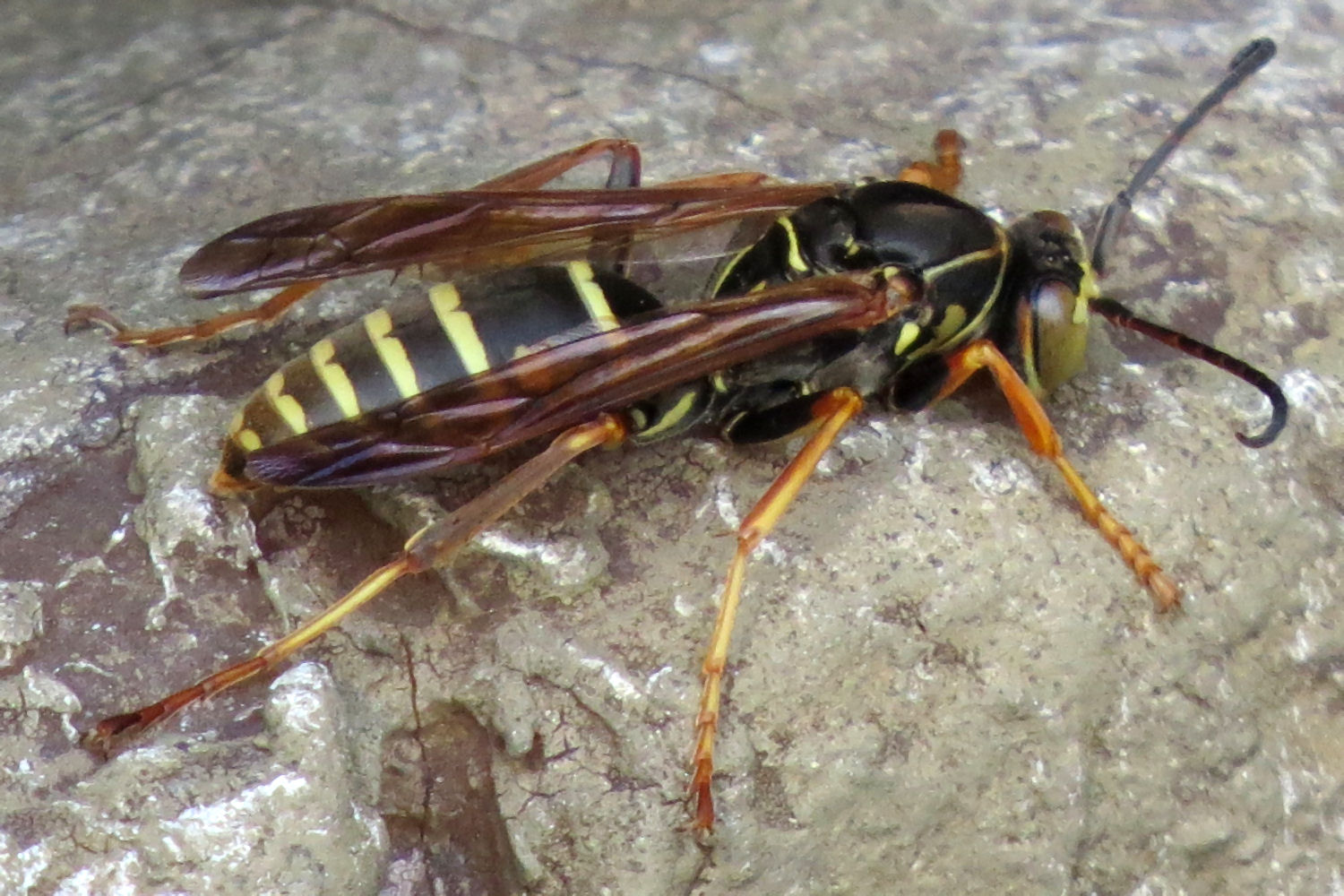
Northern paper wasp photographed in Quebec, Polistes fuscatus
Polistes fuscatus · D. Gordon E. Robertson / Wikimedia Commons

Northern Paper Wasp

Long-legged wasps that build visible umbrella-shaped paper combs without an enclosing envelope.

Size
About 16–21 mm
Appearance
Slender body with long legs and variable markings
Usually found
Open comb nests under eaves, rails and sheltered ledges
Open detailed guide →
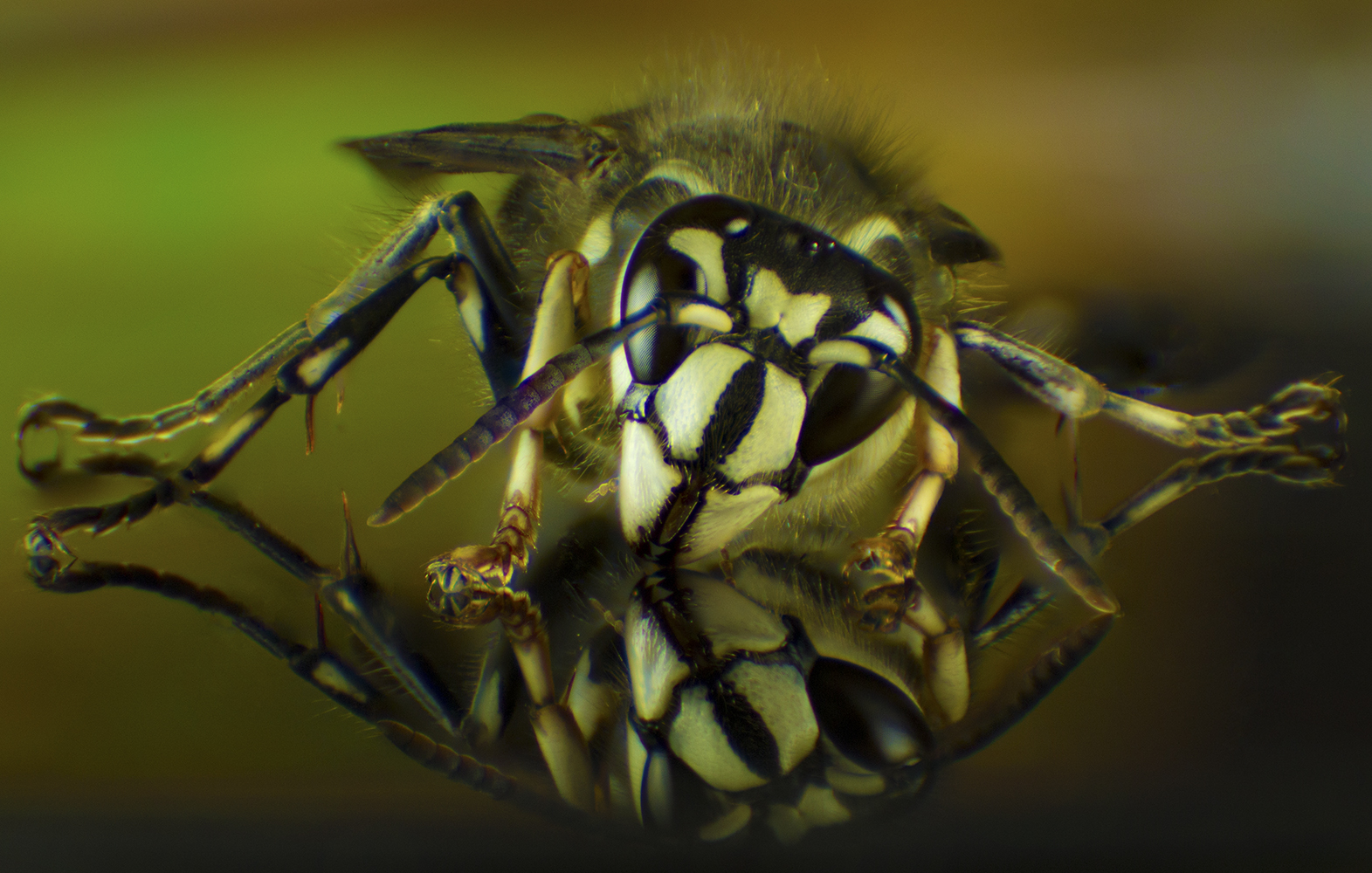
Bald-faced hornet showing black-and-white markings, Dolichovespula maculata
Dolichovespula maculata · Pavel Suslinnikov / Wikimedia Commons

Bald-Faced Hornet

A large aerial yellowjacket that builds grey enclosed paper nests and can defend the nest area.

Size
About 13–20 mm
Appearance
Black with clear white facial and body markings
Usually found
Large enclosed paper nests in trees or on structures
Open detailed guide →
QUICK COMPARISON

How to tell them apart

TypeSizeAppearanceTypical locationActivity
Eastern YellowjacketAbout 10–16 mmCompact black-and-yellow bodyGround cavities, wall voids and protected structuresSpring through fall; strongest late summer
Northern Paper WaspAbout 16–21 mmSlender body with long legs and variable markingsOpen comb nests under eaves, rails and sheltered ledgesSpring through fall
Bald-Faced HornetAbout 13–20 mmBlack with clear white facial and body markingsLarge enclosed paper nests in trees or on structuresSpring through fall; colonies peak late summer
COMMON EVIDENCE

Signs worth documenting

  • Repeated flight to one entry point
  • Visible open-comb or enclosed paper nest
  • Ground-level traffic from a concealed cavity
  • Chewed wood fibres used for nest material
  • Increasing worker activity through summer
IDENTIFICATION TIP

Get a safer, clearer answer

Do not approach, strike or block an active nest entrance. Take a zoomed photo from a safe location and note whether the nest is open, enclosed, underground or hidden in a void.

Identify a Pest From a Photo
LOCAL PEST HELP

Concerned about wasps & hornets?

Send Emerald Pest Control a clear photo and property details for professional confirmation and appropriate next steps.

Call NowFree Quote