
Flea Control in Trenton: How to Break the Flea Life Cycle in Homes With Pets
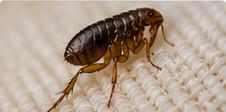
Flea problems can be frustrating because the insects you see are only one part of the population. Adult fleas live on animals and may bite people, while eggs, larvae and pupae can remain in carpets, cracks, furniture and pet resting areas. For homeowners looking for flea control in Trenton, success depends on managing the entire life cycle rather than treating only the jumping adults.
A pet may be the first clue, but fleas can persist in a home even after an animal has been treated or temporarily removed. Homes with cats or dogs, foster animals, wildlife activity around decks, or previous occupants with pets may all experience flea activity. The solution usually involves coordination between veterinary care for the animal and environmental pest control for the property.
Why Fleas Can Still Appear After Treatment
Flea pupae are protected inside cocoons and can continue developing after an initial treatment. Movement, vibration and warmth can trigger adults to emerge later, which is why seeing some fleas after service does not automatically mean the treatment failed. Follow-up timing, vacuuming and continued pet prevention are important parts of the control plan.
Focus on Pet Resting Areas
Flea eggs fall from the host into the environment. That makes pet beds, couches, rugs, carpet edges, floor cracks, under furniture and favourite sleeping spots important inspection areas. If a pet spends time in a basement, porch, vehicle or specific bedroom, those spaces should be included in the assessment rather than treating only the main living room.
Why Vacuuming Is Part of the Plan
Regular vacuuming removes some eggs, larvae and debris while also creating movement that can encourage adults to emerge from pupae. That can make them more exposed to the control program. Vacuuming should focus on carpet edges, under furniture and areas where pets rest. The vacuum contents should be handled carefully after use so collected fleas are not reintroduced.
Pet Treatment and Home Treatment Must Work Together
Environmental treatment cannot protect an untreated pet from continuing to carry fleas, and pet medication alone may not immediately remove immature flea stages already present in the home. Pet treatment should be discussed with a veterinarian. Pest-control treatment should follow approved product labels and may require preparation, restricted access or follow-up depending on the method used.
What Professional Flea Control in Trenton May Include
A professional service starts by confirming that fleas are the likely pest and identifying the rooms with activity. The plan may include targeted treatment of suitable indoor areas, preparation instructions, vacuuming guidance, laundering of pet bedding and a follow-up schedule. Heavy clutter, untreated pets or inaccessible rooms can slow progress because they leave harbourage outside the treatment zone.
Review our flea control service and Trenton service area. Use the free quote form below to tell us which rooms and pet areas are affected.
Frequently Asked Questions About Flea Control in Trenton
Can fleas live in a home without pets?
Fleas may remain in the environment for a period after a pet is gone, and wildlife or previous animals may have introduced them. Identifying the source helps guide control.
Why am I getting bitten around my ankles?
Flea bites often occur on lower legs because emerging adults are close to floor level. Bites alone are not enough for identification, so physical evidence should be checked.
How soon should fleas disappear after service?
Some adults can continue emerging from protected pupae after treatment. The expected timeline depends on activity level, preparation, pet treatment and follow-up.
Should I wash pet bedding?
Pet bedding is an important flea-development area. Laundering or handling instructions should be coordinated with the treatment plan so preparation is useful rather than disruptive.
Do I need a follow-up visit?
Follow-up may be recommended depending on the infestation and treatment method. It helps assess ongoing emergence and whether the combined pet and environmental plan is working.