
Scratching in the Walls or Ceiling at Night: Is It Mice?
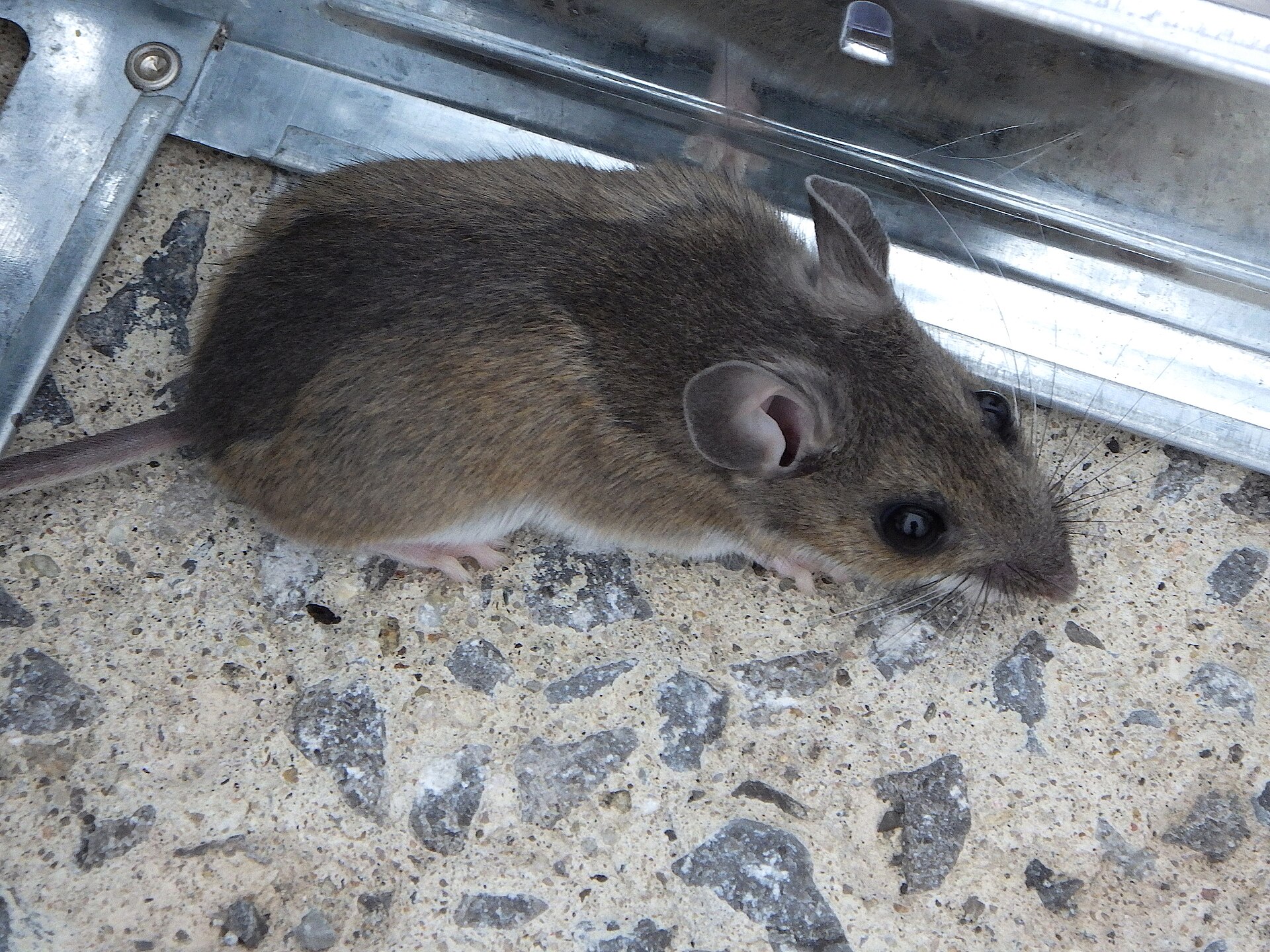
A faint scratching sound above a bedroom can be unsettling, especially when autumn temperatures fall. Mice are one possible cause, but sound alone cannot identify an animal, locate its entry point or show how many are present. The useful next step is to gather a few observations without opening walls or disturbing an animal.
Listen for a pattern, then look for evidence
Write down the time, room and approximate location of the noise. Note whether it repeats and whether anyone has seen droppings, damaged packaging or a rodent elsewhere. House noises, plumbing and other animals can also produce sounds in walls or ceilings. A recording can help explain the issue, but it is not a reliable species diagnosis.
- Record whether the sound is overhead, inside a wall or near a utility opening.
- Look only in safely accessible cupboards, storage and utility areas.
- Photograph suspected droppings without handling or disturbing them.
Why mouse activity can become noticeable in autumn
Health Canada notes that some mice move into buildings as temperatures fall. Food, shelter and accessible openings make a structure attractive; heating can also support activity throughout winter. The opening may be far from the room where you hear scratching. Attached garages, utility penetrations and door gaps can connect exterior access with interior routes.
- Store pet food, seed and pantry goods in durable closed containers.
- Keep accessible floor and wall edges clear enough to inspect.
- Include garages and adjacent storage when describing the problem.
What you can do tonight
Keep food protected and children and pets away from suspect contamination or devices. Avoid banging into cavities, cutting drywall or sealing the suspected entry immediately. If the occupant is an animal, an unplanned repair can trap it or divert activity. Do not place loose poison in a ceiling or wall void. Any control method must suit the identified pest, site and exposure risks.
- Save your notes and photos for the inspection.
- Do not dry sweep or vacuum rodent droppings.
- Follow Health Canada’s wet-cleaning guidance for small accessible contamination; ask for an assessment if the affected area is extensive.
When an inspection is the better next step
Request help when the noise repeats, fresh droppings appear, packaging is being damaged or DIY catches have not ended activity. An inspection should connect the indoor evidence with access, food and shelter conditions. If signs point to wildlife outside the provider’s scope, ask for an appropriate referral rather than assuming mouse treatment will solve it.
- Explain whether the property is occupied, rented or seasonally vacant.
- Tell the technician what devices or products have already been used.
- Ask which accessible entry repairs and follow-up checks the quote covers.
What a useful rodent plan should explain
You should understand the likely pest, what evidence supports that assessment and what areas could not be inspected. Control, exclusion and monitoring perform different jobs. A plan should say how active rodents will be addressed, which openings can be repaired and how continuing evidence will be reviewed. The absence of noise for one night is not a dependable all-clear.
- Keep dated notes on new evidence after service.
- Complete the agreed food-storage and repair steps.
- Use the scheduled follow-up to review progress and remaining access points.
Local service and next steps
Sources and further guidance
Hearing repeated scratching at night?
Tell us the town, where the sound occurs and whether you have found droppings or damaged food.