
Spider Control in Quinte West: Why Spiders Gather Around Windows, Basements and Exterior Lights
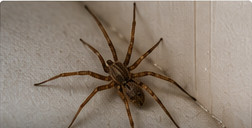
Spider activity around a building often tells you something about the insects living there. A porch light covered in webs, spiders appearing in basement corners or repeated activity around windows usually means the location offers shelter and a steady food source. For homeowners and businesses seeking spider control in Quinte West, reducing prey and harbourage is just as important as removing the visible webs.
Quinte West includes urban neighbourhoods, rural properties, waterfront areas, commercial buildings and industrial spaces. Exterior lighting, vegetation, stored materials, siding gaps, eaves and seasonal flying insects can all influence spider pressure. A property beside open fields or water may naturally experience more insect movement than a tightly developed urban lot, so the control plan should match the setting.
Why Exterior Lights Become Spider Hotspots
Many flying insects are drawn to light at night. Spiders take advantage by placing webs where prey regularly passes. Lights beside entry doors, signs, garage doors and windows can create predictable feeding zones. Adjusting unnecessary lighting, changing placement where practical and keeping fixtures and nearby surfaces clean can reduce some of the conditions supporting recurring webs.
Basements Offer Quiet Harbourage
Basements, crawl spaces, storage rooms and utility areas provide undisturbed corners where spiders can remain unnoticed. Cardboard, shelving, stored décor and clutter create protected spaces, while other insects provide food. Repeated spider activity indoors can therefore justify looking for moisture, flies, ants, earwigs or other prey rather than treating spiders as an isolated problem.
Web Removal Is Useful—but It Is Only One Step
Removing accessible webs and egg sacs improves appearance and eliminates active structures, but spiders may rebuild when the same food and shelter remain. Regular exterior maintenance can reveal which surfaces are repeatedly used. Those areas can then be inspected for gaps, lighting patterns, vegetation contact and insect activity that may be sustaining the problem.
Exterior Conditions to Review
Trim vegetation that directly touches siding, reduce dense clutter along walls, repair screens, inspect door sweeps, manage outdoor storage and keep high-use entrances reasonably clear of webs. Eaves, soffits, deck undersides, railings, window wells and garage corners deserve attention. These steps do not eliminate spiders from the environment, but they can reduce favourable resting and web-building zones around the structure.
When Professional Spider Control Makes Sense
Professional service can help when webbing returns quickly, spider numbers are high, activity affects customers or staff, or spiders are appearing throughout the interior. Inspection should look at prey insects, harbourage and access before recommending treatment. Any pesticide application must follow the approved label, and results are stronger when maintenance and exclusion recommendations are part of the plan.
A Practical Web-Reduction Routine
Walk the exterior after dusk and note where insects gather around lights. During the day, inspect the same areas for webbing. Check basement windows, storage corners and utility rooms indoors. This simple comparison often reveals where prey and spiders overlap. Addressing both sides of that relationship is more effective than repeatedly cleaning webs without changing the conditions behind them.
Explore our spider control service and Quinte West service area. Use the free quote form below if recurring webs or indoor spider activity are becoming difficult to manage.
Frequently Asked Questions About Spider Control in Quinte West
Why do spiders keep returning after I remove webs?
Webs can return when insects, shelter and suitable attachment points remain. Reducing prey and harbourage helps make web removal more effective.
Do porch lights attract spiders directly?
The light primarily attracts insects. Spiders often build nearby because the location becomes a reliable feeding area.
Should I worry about every spider indoors?
Occasional spiders can wander indoors. Repeated activity, many webs or unfamiliar species are better reasons to investigate entry points, prey and harbourage.
Can sealing gaps reduce spider activity?
Repairing screens, door sweeps and practical exterior gaps can reduce access for spiders and the insects they feed on. Exclusion works best with other maintenance steps.
Is exterior spider treatment permanent?
No outdoor treatment is permanent. Weather, new web building and seasonal insect activity change conditions over time, so prevention and monitoring remain important.