
Wasp Control Kingston: What to Do About a Nest Near Your Property
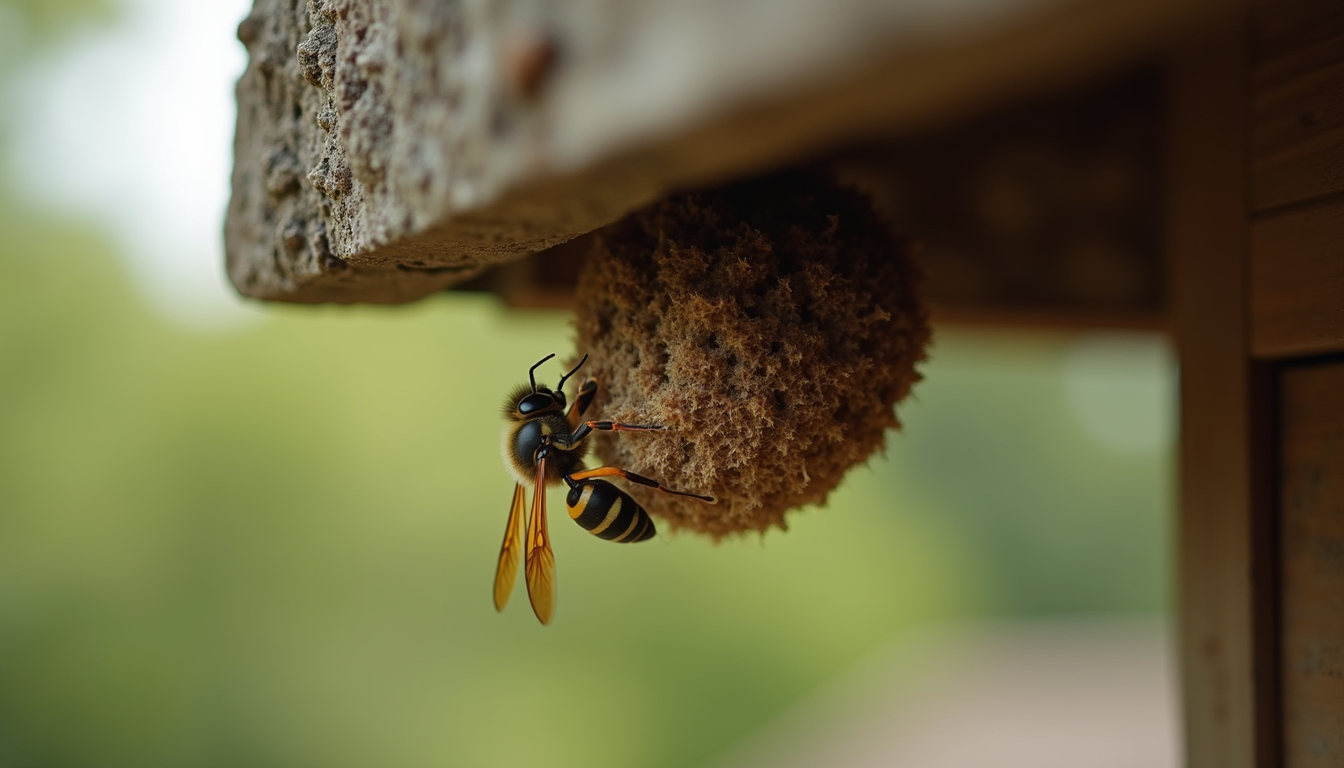
Wasps become much more noticeable around Kingston properties as summer colonies grow and workers begin searching for food. Seeing one wasp outdoors does not always mean there is a nest on the property, but repeated activity around the same soffit, deck, shed, vent, or wall opening should not be ignored. Professional wasp control Kingston property owners request usually begins with confirming the species, locating the nest or entry point, and assessing how close the activity is to people.
A nest near a doorway, patio, playground, outdoor dining area, loading entrance, or frequently used walkway can create a greater risk than a nest in an isolated location. Avoid striking the nest, blocking an active entrance, or experimenting with products that are not approved for the intended use. A licensed inspection can determine whether treatment is needed and what approach is suitable for the site.
Why Wasps Become a Problem in Kingston During Summer
Kingston and the surrounding Eastern Ontario region typically see increased wasp and hornet activity through the warmer months. Colonies may begin small in spring, then become more noticeable as worker numbers increase during summer. Sheltered building features can provide protected nesting locations, while outdoor food, sugary drinks, garbage, compost, and fallen fruit can attract foraging wasps.
Common nesting or activity areas include roof edges, soffits, fascia gaps, wall voids, sheds, decks, railings, shrubs, utility penetrations, vents, and spaces beneath outdoor structures. Some nests are visible, while others are concealed inside a cavity. The treatment plan can differ significantly depending on whether the nest is exposed, underground, or located within a building void.
When Wasp Control Kingston Services Are Needed
Repeated traffic to one opening is one of the strongest signs of an established nest. Watch from a safe distance for insects entering and leaving the same gap every few seconds. Other warning signs include a visible paper-like nest, wasps repeatedly appearing inside the building, concentrated activity around an exterior wall, or unusually defensive behaviour near a particular area.
A few wasps around flowers or an outdoor meal may simply be foraging. However, activity near entrances, customer areas, children’s play spaces, occupied balconies, or outdoor dining areas deserves closer attention. Businesses should also treat repeated activity around dumpsters, recycling areas, receiving doors, outdoor patios, and employee break areas as an operational concern.
Areas to Inspect Without Disturbing the Nest
Without approaching the nest, observe eaves, soffits, fascia boards, rooflines, vents, utility openings, sheds, deck framing, railings, garbage enclosures, outdoor dining areas, loading zones, and landscaping close to entrances. Do not place your face or hands near a suspected opening, and do not climb a ladder to inspect an active nest.
Why DIY Wasp-Nest Removal Can Be Risky
Trying to remove a nest without identifying the species and nest location can increase the chance of stings or drive activity into another part of the structure. Concealed nests may have more than one route, and sealing the visible opening while the colony is active can cause wasps to search for another exit, sometimes toward the interior.
Treatment products must be used according to their Canadian labels. Product selection, application method, treatment area, protective equipment, and any re-entry instructions depend on the pest species, nest location, building conditions, and approved product label. Store-bought products or improvised methods should never be used contrary to label directions.
What to Expect From Professional Wasp Control
A professional visit normally starts with an inspection of the activity area and nearby building features. The technician may identify the type of wasp or hornet, determine whether a nest is present, evaluate access and safety concerns, and explain the recommended treatment or monitoring plan.
Treatment may involve addressing an exposed nest, treating an approved area around a concealed entry point, removing nest material when appropriate, or recommending exclusion work after activity has stopped. The exact method depends on the inspection and label requirements. Some situations may require monitoring or a follow-up visit, especially when a nest is concealed or activity remains after the initial service.
How to Prepare for Wasp-Control Service
Before the appointment, keep people and pets away from the activity area, close nearby windows when practical, and avoid disturbing or sealing the entrance. Move vehicles, patio furniture, or movable items only when requested so the technician can access the area. Tell the company about known severe sting allergies and any unusual access conditions before service.
Residential and Commercial Wasp Situations Are Different
At a home, the main concern may be a nest near a deck, front entrance, play area, garage, garden path, or upper-storey soffit. The technician can focus on the affected area while explaining practical steps to reduce future nesting opportunities after the activity is under control.
For restaurants, offices, apartment buildings, retail properties, warehouses, and other businesses, the plan may also consider customer traffic, employee safety, waste storage, delivery schedules, and the need to minimize disruption. A commercial site may benefit from a broader exterior inspection and ongoing monitoring where recurring pressure is likely.
How to Reduce Future Wasp Activity
After active nesting has been treated or confirmed inactive, gaps around soffits, fascia, vents, siding, utility penetrations, and door frames may be sealed where appropriate. Screens and vent covers should remain in good repair. Garbage and recycling containers should have secure lids, and spills, food residue, and fallen fruit should be cleaned promptly.
Prevention lowers the chance of activity but cannot guarantee that wasps will never return. New queens can select different sites in future seasons, and neighbouring properties or natural areas may continue to produce foraging wasps. Early spring and summer inspections can help identify developing nests before they become larger and more defensive.
Frequently Asked Questions About Wasp Control in Kingston
How do I know if there is a wasp nest on my property?
Repeated wasp traffic to and from the same opening is a stronger indication than seeing an occasional wasp near flowers or food. A visible paper-like nest, wasps entering a soffit or wall gap, or insects repeatedly appearing indoors can also justify a professional inspection.
How quickly should a wasp nest be treated?
A nest should be assessed promptly when it is close to doors, decks, play areas, balconies, patios, customer entrances, or other occupied spaces. Urgency depends on the nest location, activity level, and whether anyone nearby has a known severe sting allergy.
Is preparation required before professional wasp treatment?
Preparation is usually limited. Keep people and pets away from the activity area, avoid disturbing or sealing the entrance, close nearby windows when practical, and provide safe access. Your technician may give additional instructions based on the property and nest location.
Are follow-up visits normally required?
Some exposed nests can be addressed in one service, while concealed nests or continuing activity may require monitoring or follow-up. Results depend on the species, nest location, access, building conditions, treatment method, and cooperation with any exclusion or sanitation recommendations.
Does Emerald Pest Control serve Kingston and nearby communities?
Yes. Emerald Pest Control serves Kingston, Belleville, Napanee, Quinte West, Trenton, Picton, Prince Edward County, and surrounding Eastern Ontario communities. Availability and service recommendations are confirmed for each property.
Request a Wasp-Control Inspection
Emerald Pest Control serves Kingston, Belleville, Napanee, Quinte West, Trenton, Picton, Prince Edward County, and surrounding Eastern Ontario communities. Service recommendations are based on the pest species, nest location, building conditions, access, and inspection findings.