
Before closing: remove food and inspect storage
Empty cupboards of open or vulnerable food, including pet food, birdseed and forgotten snacks in drawers. Inspect packaging before moving it to another property. Clean crumbs and grease around accessible appliances, and leave dry, uncluttered storage areas that can be checked without moving stacks of belongings.
- Remove waste and recycling before the final lock-up.
- Use durable sealed containers for essential supplies left onsite.
- Check linen and utility storage for existing pest evidence.
Inspect the exterior before covering it with snow
Walk around doors, foundation edges, utility penetrations, vents and attached outbuildings while conditions are safe. Photograph damaged seals and possible entry points. Rodent-resistant repairs should preserve ventilation, drainage and safe appliance clearances; larger or inaccessible repairs may need a contractor.
- Check garage and exterior door seals.
- Do not seal an opening that may contain active animals without assessing it.
- Keep wood and stored material away from the building where practical.
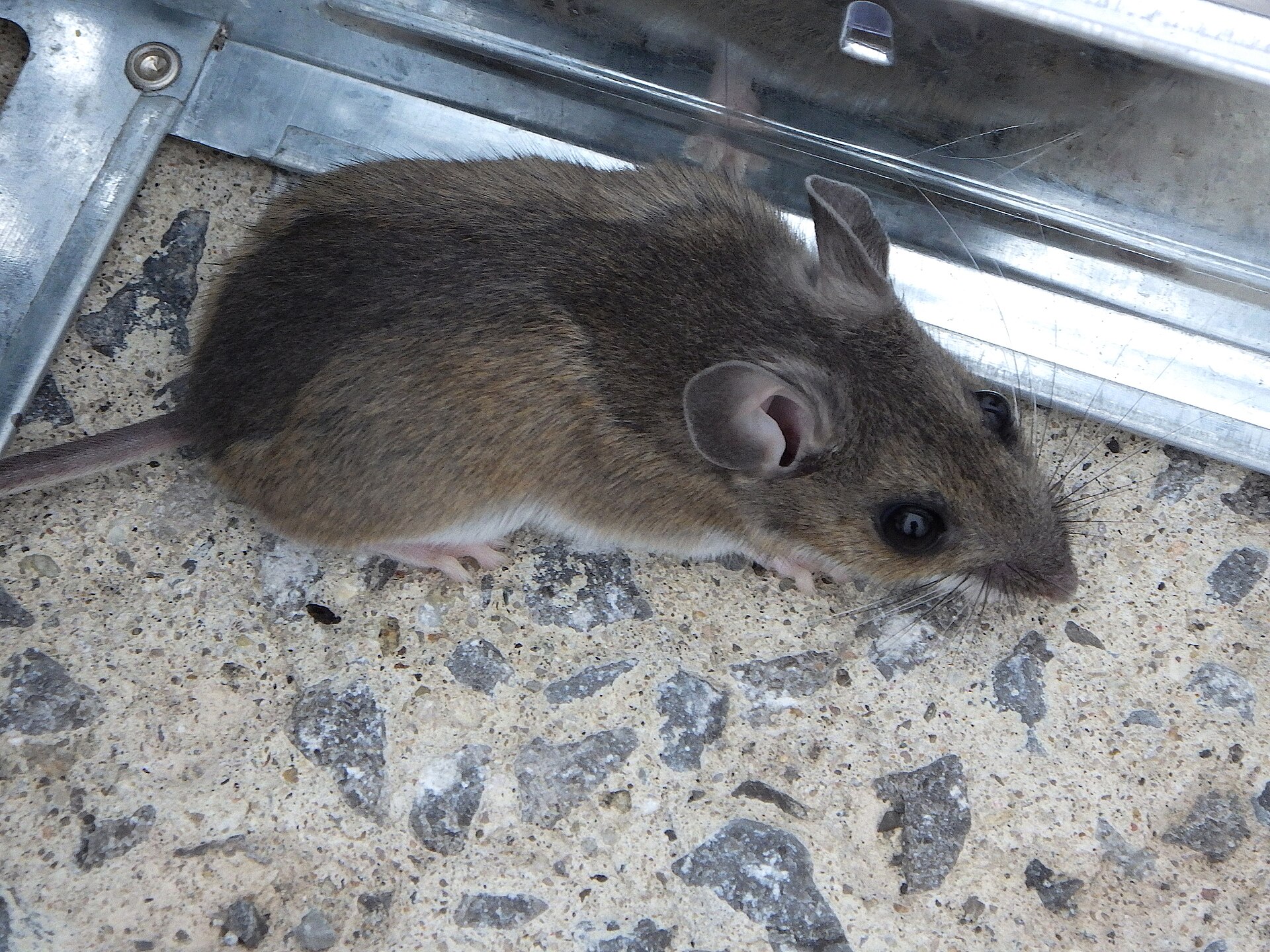
If there is already mouse evidence
Closing the door until spring is not a control plan. Arrange identification, suitable control and a follow-up schedule before the building becomes difficult to access. Explain whether water, heat or power will be off and how keys, alarms and snow clearance will be handled.
- Photograph suspect droppings without disturbing them.
- Do not dry sweep or vacuum rodent contamination.
- Agree who will check devices and complete recommended repairs.
Give the winter caretaker a short checklist
A named contact should know what to look for and who to call. Record dates and locations of new evidence so spring decisions do not rely on memory. Avoid promising a vacant building will remain pest-free after one visit; new damage or access can change conditions.
- Check visible entry repairs after storms where safely accessible.
- Report new droppings, gnawing, insects at windows or unusual odours.
- Keep service records and access instructions together.
Reopen before the first guest arrival
Inspect food storage, bed frames, window areas, utility rooms and accessible exterior edges before restocking or making up beds. Overwintering flies near sunny windows are different from a breeding source in food or waste. Identify the pest and investigate the source before treating.
- Inspect for leaks and damp wood that became visible over winter.
- Follow Health Canada’s rodent cleanup guidance if contamination is present.
- Allow time for inspection and any necessary follow-up before occupancy.