
RURAL FALL GUIDE

Cluster Flies, Boxelder Bugs and Stink Bugs: Eastern Ontario Fall Invaders

Cluster flies, boxelder bugs, brown marmorated stink bugs and Asian lady beetles are overwintering insects. They gather on sun-warmed south and west walls in autumn, push into soffits and wall voids to spend the winter, and reappear indoors on warm days. The fix is sealing the building before they arrive in late summer — interior spraying after they are in the walls does very little.

If your farmhouse or rural property fills with slow grey flies every winter, this is the guide for you. These insects are not a sanitation problem and they are not breeding in your house. Understanding where they actually come from changes the entire control strategy.

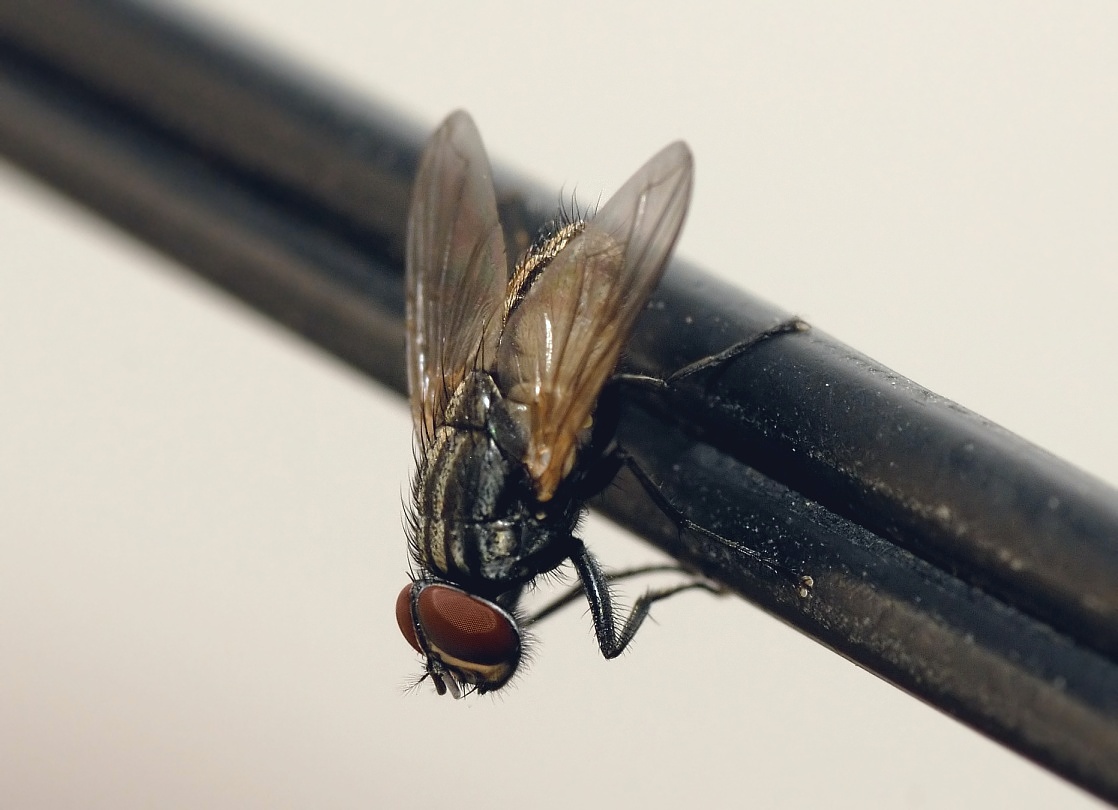
Pest-control reference image for Cluster Flies, Boxelder Bugs and Stink Bugs: Eastern Ontario Fall Invaders
Visual reference for Cluster Flies, Boxelder Bugs and Stink Bugs: Eastern Ontario Fall Invaders
01

Cluster flies are a lawn problem, not a kitchen problem

This is the fact that surprises most property owners. Cluster flies parasitise earthworms and develop in soil, so they have nothing to do with garbage, drains or food. Large lawns, pasture and open fields produce them, which is why rural Hastings, Prince Edward County and Frontenac properties see them and downtown Belleville largely does not.

  • Cleaning will not reduce them
  • Larger, darker and slower than house flies
  • Associated with attics, wall voids and upper rooms
  • Common on acreage, farms and cottage properties
02

Read the sunny wall

On a bright October afternoon these insects bask on warm siding before working their way inside. The south and west walls crawl while the north wall stays quiet. That is not a coincidence — it tells you exactly which walls to prioritise when you seal.

  • Check south and west elevations first
  • Look under fascia, soffits and siding laps
  • Watch window and door frames
  • Note which rooms fill up in January
03

Flies at the window in January entered in October

Insects appearing at upstairs windows in midwinter did not just get in. They entered in autumn, settled in a wall void or attic, and woke up when warm sun or indoor heat roused them. By then the entry points are behind finished surfaces and the opportunity to exclude has passed.

  • Vacuum rather than spray indoors
  • A window fly trap at the sunniest window helps
  • Do not fog wall voids
  • Record the rooms affected for next year’s sealing
04

Boxelder bugs and stink bugs read the same wall

If the basking crowd is red-and-black rather than grey, you are looking at boxelder bugs. If it is a shield-shaped brown insect that smells when crushed, it is a brown marmorated stink bug. All three respond to the same exclusion work, so one sealing pass handles the lot.

  • Boxelder bugs: black with red markings
  • Stink bugs: shield-shaped, marbled brown
  • Neither damages the structure or bites
  • Crushing stink bugs stains and smells
05

Timing is the whole job

Exterior treatment and sealing work in late August and early September, before the insects move in. The same visit closes the gaps that mice use a few weeks later, which is why this is the most valuable service call of the Eastern Ontario year.

  • Book exterior work for late August
  • Seal soffit, fascia and siding gaps
  • Repair screens on attic and gable vents
  • Combine with autumn rodent exclusion
COMMON QUESTIONS

Cluster Flies, Boxelder Bugs and Stink Bugs: Eastern Ontario Fall Invaders: questions we get asked

Why do I get hundreds of flies in my farmhouse every winter?

They are almost certainly cluster flies. They develop in soil as parasites of earthworms, so large lawns and surrounding fields produce them in numbers. In autumn they move to sun-warmed walls and enter gaps in soffits, siding and window frames to overwinter in attics and wall voids. Warm days in winter wake them and they emerge at upstairs windows. It is not a cleanliness issue and it has nothing to do with your kitchen.

Will spraying inside get rid of cluster flies?

Not meaningfully. The insects sitting in your wall voids are largely out of reach, and killing the few that emerge does nothing about the hundreds still sheltering. Interior fogging also leaves dead insects in cavities, which can attract carpet beetles. Vacuuming what appears and sealing the building in late summer is what actually reduces the numbers.

When should I treat for cluster flies and boxelder bugs?

Late August to early September, before they move in. An exterior perimeter application on the south and west elevations at the right moment prevents the autumn push. Once they are inside the walls in October the window has closed and you are managing the problem rather than solving it.

Are boxelder bugs or stink bugs dangerous?

No. Neither bites, stings, damages the structure, nor breeds indoors. They are a nuisance rather than a hazard. Crushing brown marmorated stink bugs releases their defensive odour and can stain surfaces, so vacuum them instead.

Do cluster flies come back to the same house every year?

Yes, reliably. The surrounding land keeps producing them and the building keeps offering the same gaps. Properties that get them once get them annually until the exclusion work is done, which is why a one-time interior treatment rarely satisfies anyone.

Use evidence, not guesswork.

Photos, specimens, dates and exact locations help distinguish a one-time sighting from an active structural pest problem. Product use must follow the Canadian label and should match the identified pest and site.

LOCAL PEST HELP

Need help applying this guide to your property?

Tell us what you found and where the property is located. Emerald Pest Control serves homes and businesses across Eastern Ontario.

Call NowFree Quote