
Cockroach Control in Belleville: What to Do After a Kitchen or Apartment Sighting
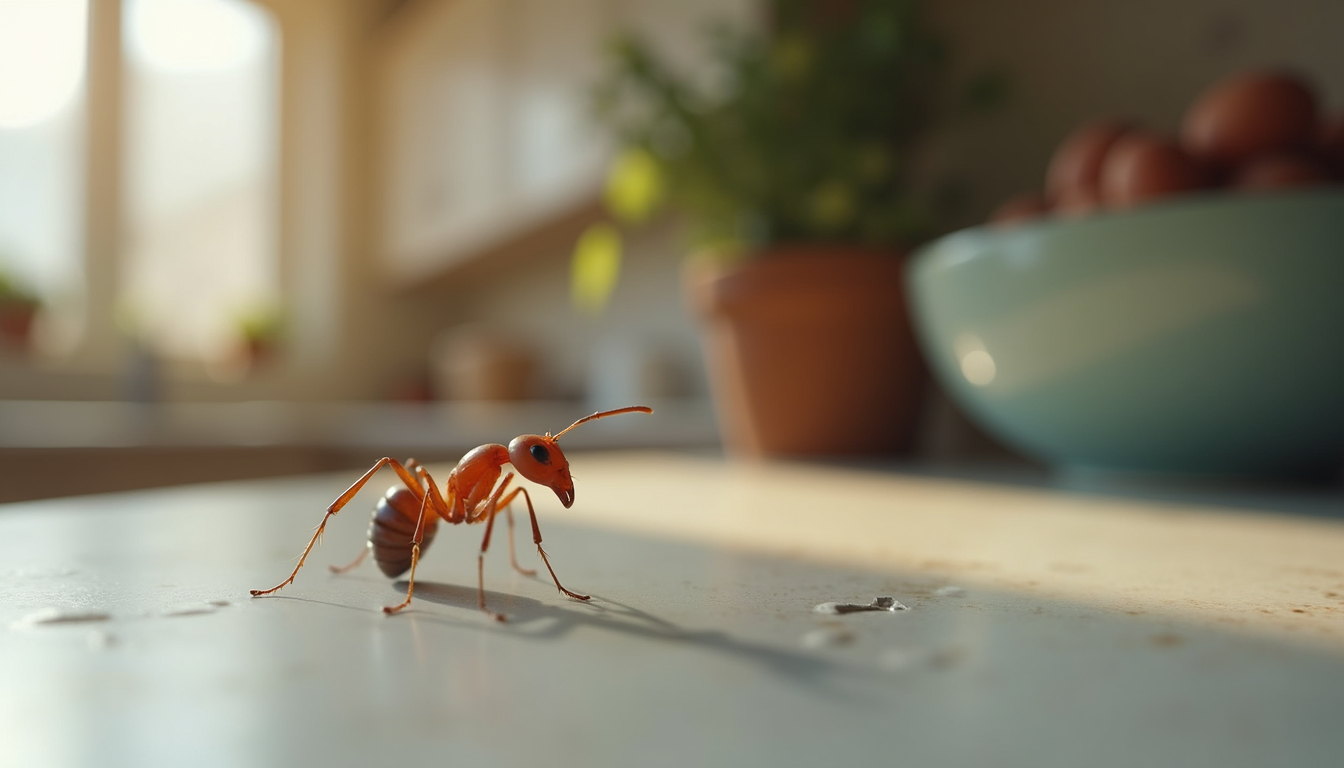
Seeing one suspected cockroach is a reason to identify it and inspect nearby areas. It does not prove the size of an infestation or where it began. Warm indoor areas, food, water and shelter can support cockroaches through an Eastern Ontario winter, so waiting for cold weather is not a dependable solution.
First, preserve the identification evidence
Take a clear photograph or safely contain the insect if practical. Record the exact location and time, including whether it was near a sink, appliance, cupboard or delivery carton. Other insects can be mistaken for cockroaches, and the species affects inspection priorities. Do not assume a single sighting proves a large hidden population, or that seeing only one means no further investigation is needed.
- Keep a short log of any further sightings.
- Tell the technician if you find small nymphs, egg cases or dark spotting.
- Inspect incoming boxes and used appliances before moving them into storage.
Why kitchens and utility areas matter
Cockroaches can shelter in narrow protected spaces close to food and moisture. An inspection may include accessible appliance edges, cabinet voids, plumbing penetrations and storage. Activity can spread through a connected building or arrive with belongings, so the presence of cockroaches is not a reliable judgement about an occupant’s cleanliness. Cleaning and leak repair still reduce resources that help them persist.
- Remove crumbs, grease and overnight food residue.
- Repair leaks and avoid leaving water available where practical.
- Reduce unnecessary cardboard and clutter around food and appliances.
What to avoid after a sighting
Do not scatter products through cupboards or combine sprays, baits and foggers without a plan. Inappropriate applications can expose occupants, contaminate food areas or interfere with the intended treatment. Follow Canadian product labels and disclose earlier pesticide use to the technician. Pulling appliances or moving suspect items into another unit can also complicate the inspection.
- Protect food, dishes and preparation surfaces.
- Ask for written preparation instructions before emptying or moving everything.
- Keep children and pets away from treatment and monitoring devices.
In a rental, report and coordinate
Tell the landlord or property manager promptly, with a photo and the affected room. Shared utility routes and adjoining spaces may need assessment based on the evidence. A treatment limited to the visible room may miss a connected source, but every unit does not automatically require treatment. The inspection should guide the scope and access plan.
- Keep a copy of your report and service instructions.
- Do not move suspect items through common areas unnecessarily.
- Use one contact to coordinate preparation, access and follow-up.
What professional service should include
Ask how identification, inspection, suitable control and monitoring fit together. The quote should explain included visits, preparation, re-entry directions and what to do if activity continues. A declining number of sightings is useful information, but progress should be evaluated against monitoring and inspection findings. Maintain cleaning and leak repairs after the initial service.
- Share new evidence with dates and locations.
- Keep monitors where the technician has placed them.
- Confirm the follow-up arrangements and any separately quoted repairs.
Local service and next steps
Sources and further guidance
Found a possible cockroach in your kitchen?
Send a photo and tell us your town, property type and where it was found so we can discuss inspection.