
Why Outdoor Rat Problems Come Back If You Only Treat One Property
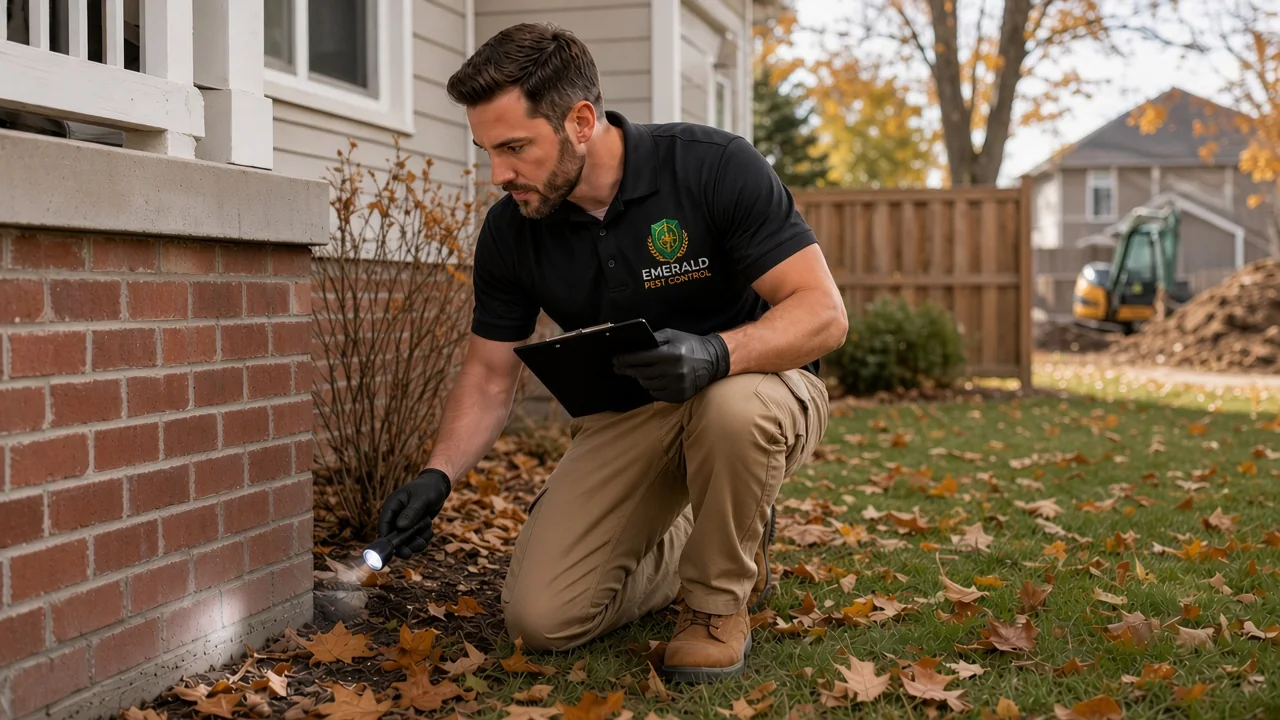
Treating rats on your property can reduce activity, but keeping them away takes more than traps or bait. If nearby yards still offer food, water and shelter, rats can return.
A recent CBC News report highlighted this challenge as a London, Ontario, council committee prepared to consider a rebate for outdoor rat control. The proposed pilot would help homeowners cover treatment costs, while raising a broader question: how effective can one property’s treatment be when surrounding conditions stay the same?
Nearby construction can add to the problem. Excavation, road work and new developments may disturb burrows and shelter, pushing rats toward neighbouring properties. Accessible garbage, compost, woodpiles and gaps beneath decks can give them reasons to stay.
For homeowners and property managers across Belleville, Kingston and Prince Edward County, lasting prevention starts with the whole property: remove food sources, reduce hiding places, close entry points and monitor for fresh activity. Here’s where to start.
How nearby construction stirs up outdoor rats
Rats live where they can find food, water and shelter: along fence lines, under decks and sheds, in overgrown edges, and in burrows in unused corners of a yard. When a neighbouring lot is excavated, a foundation is dug, or a road is rebuilt, those harbourage areas get torn up. The rats do not disappear. They move to the next available cover, often the closest quiet yard, compost bin or gap under a deck. Construction is only one trigger. A cold snap after a mild autumn, or a bird feeder that spills seed, can do the same thing. Rats follow food and shelter.
Why treating one property is rarely enough
Baiting or trapping in a single yard can reduce the rats you are seeing right now. It does not fix the reason they arrived, and it does not stop others from moving in along the same travel routes. A few things commonly undermine a one-property treatment:
- Food is still available. Unsecured garbage, an open compost bin, pet food left outside, or seed under a bird feeder will keep attracting rats, including from next door.
- Shelter is still available. Woodpiles against a shed, dense ground cover along a fence, or a gap under a deck give rats a place to hide during the day.
- The neighbouring property has not changed. Rats do not respect lot lines. If the yard beside you still offers food or burrows, activity often returns after your traps go quiet.
- Entry points are still open. Outdoor rats become an indoor problem when they find a gap at the foundation, a utility opening, or a space under a door, deck or shed.
What Quinte homeowners and property managers can control
You cannot stop a neighbouring excavation. You can make your building a poor place to feed, hide or get inside. Walk the property in daylight, then again at dusk, and use the checklist below. Outdoor rat control works best when sanitation, harbourage reduction and exclusion are part of the plan, including a conversation with neighbours or a property manager where you can.
Food and water
Start with the things that attract rats and help them stay:
- Use tight-fitting lids on outdoor garbage and recycling bins, and bring bins in after collection day if you can.
- Keep compost in a sturdy, lidded bin. Do not add meat, dairy or oily scraps to an open pile.
- Store pet food and bird seed in sealed, hard-sided containers, and clean up spilled seed under feeders.
- Fix dripping outdoor taps and remove standing water where you can.
Shelter and harbourage
Reduce the cover rats use during the day:
- Store firewood well away from the house and shed, off the ground if possible, not stacked against the foundation or siding.
- Trim dense vegetation along fence lines, and clear brush, unused lumber and debris.
- Check under decks, porches and sheds for burrows, runways or gaps a rat could use as cover.
Entry points
Close the openings that let outdoor rats move indoors:
- Inspect the foundation, including older stone or block foundations common in this region, for gaps and utility penetrations.
- Check door sweeps, garage thresholds, and the edges of decks and shed floors where they meet the ground or a wall.
- Look at spots where pipes, cables and air-conditioning lines enter the building.
- Seal gaps with materials rats cannot easily chew through, such as metal flashing, hardware cloth or cement, rather than foam or plastic alone. If you are not sure what is appropriate, leave that opening for a professional inspection.
How professional rodent control and exclusion works
If activity continues, or you find signs at the foundation or indoors, a professional visit is about more than setting a few traps. A thorough approach usually includes:
- Inspection. Confirm it is rat activity, find burrows, travel paths, food sources and entry points, and note conditions on and around the property.
- Active control. Use trapping or monitoring stations where they are needed, placed to match how rats are moving on that site.
- Exclusion. Seal accessible gaps at the foundation, decks, sheds and service openings so rats cannot move indoors or back into the same voids.
- Prevention advice. Flag sanitation and harbourage issues only the occupant or property manager can change, such as bin lids, compost and stored materials.
- Follow-up. Check whether activity has stopped and whether new signs have appeared, especially if nearby construction is still under way.
A practical next step
If a neighbouring lot is still being dug, pressure can continue for a while. The goal is to remove the rats already there, close openings into the building, and take away the food and shelter that would invite the next ones. Start with the checklist. Secure garbage and compost, pull firewood away from the building, and walk the foundation. If signs continue, droppings, burrows, gnaw marks, or rats seen at dusk, it is worth having the property inspected rather than repeating a one-yard treatment. Emerald Pest Control provides rodent inspection, control and exclusion for homes and businesses across Belleville, Trenton and Quinte West, Napanee, Picton and Prince Edward County, Kingston, Tweed and Brighton.
Local service and next steps
Sources and further guidance
Seeing outdoor rat activity near your property?
We can inspect the property and explain what we find before any work begins. Call (613) 743-8074 or use the button below to contact us.