
Pest control organized around the building, not just one complaint.
Inspection, treatment, monitoring and practical documentation for managed residential and commercial properties across Belleville, Kingston and Eastern Ontario.
MANAGED PROPERTY WORKFLOW
One unit can be the symptom of a larger building condition.
For property managers, the useful question is not only “which unit reported the pest?” It is also whether activity is connected to common areas, utility routes, neighbouring units, exterior entry points, waste areas or recurring building conditions.
We structure the service around what can be confirmed onsite, then document the recommended treatment, preparation, monitoring and prevention steps that apply.
A REPEATABLE PROCESS
Useful for one building or a portfolio.
01
Intake & access
Identify affected units or areas, occupant concerns, access contacts and any preparation needed before inspection.
02
Inspect & map activity
Look beyond the original complaint for routes, harbourage, entry points and conditions that may connect the problem.
03
Treat & monitor
Use an appropriate service plan, then reassess activity when follow-up or recurring monitoring is part of the scope.
COMMON MANAGED-PROPERTY PESTS
Problems that often need more than a one-unit response
The building layout, level of activity and occupant access determine how far an inspection or treatment plan should extend.
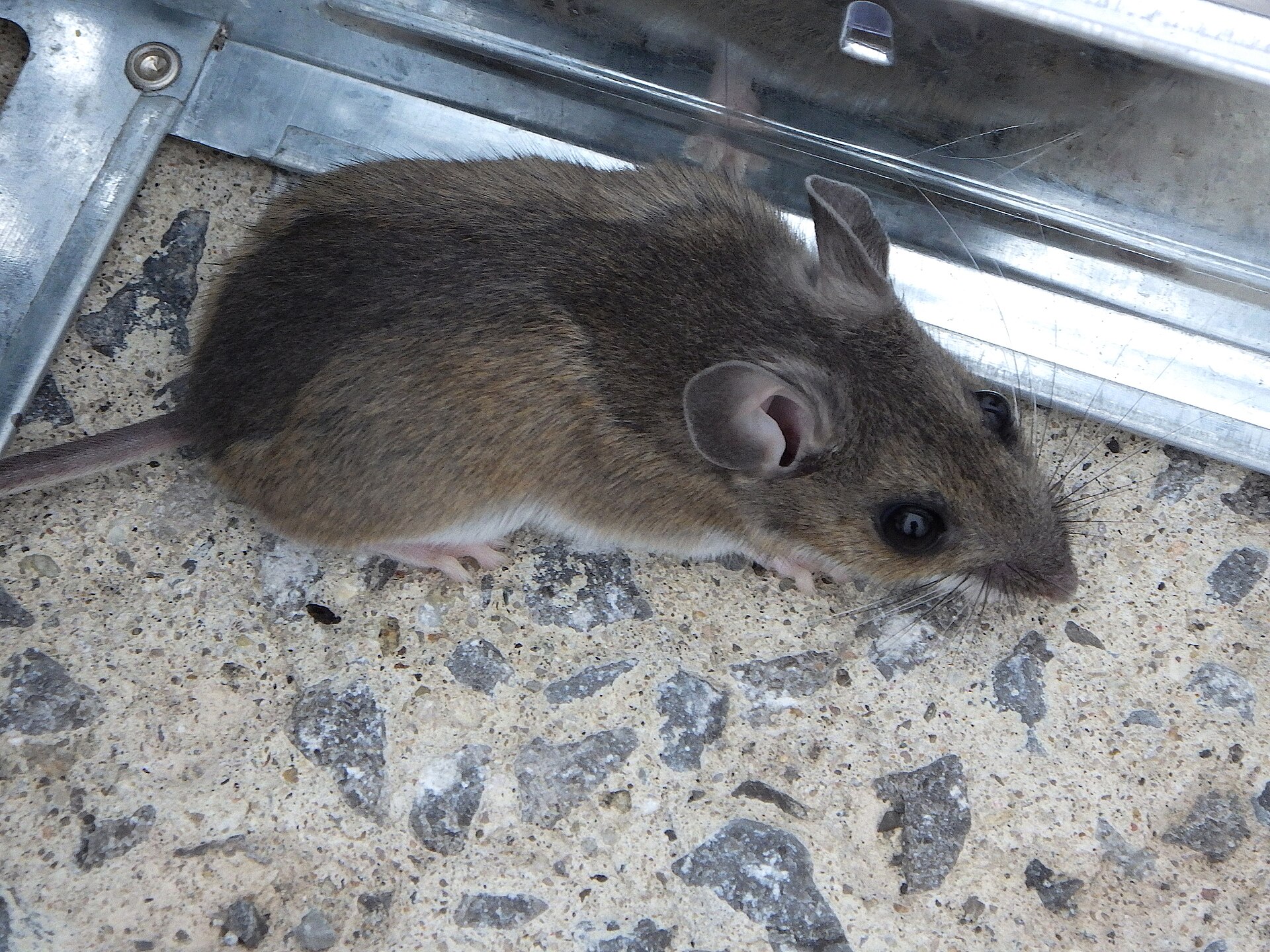
Mice & rats
Entry pressure, utility penetrations, storage areas, garbage rooms and unit-to-unit movement can require building-wide inspection and monitoring.
View pest service →
Cockroaches
Multi-unit activity can spread beyond a single complaint, making preparation, adjacent-area inspection and follow-up especially important.
View pest service →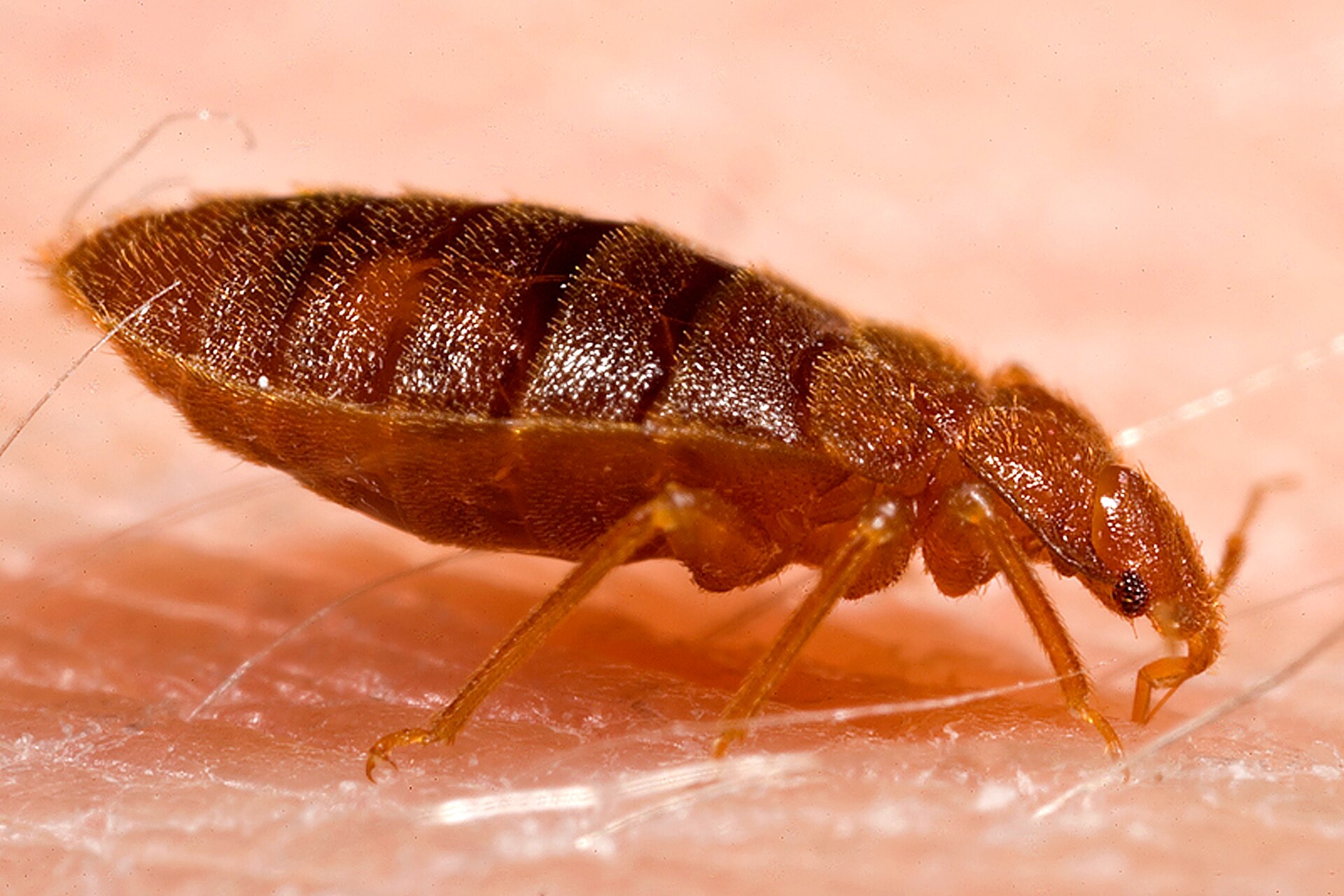
Bed bugs
Occupied units need clear preparation, room-specific inspection and careful follow-up rather than assumptions based on one sighting.
View pest service →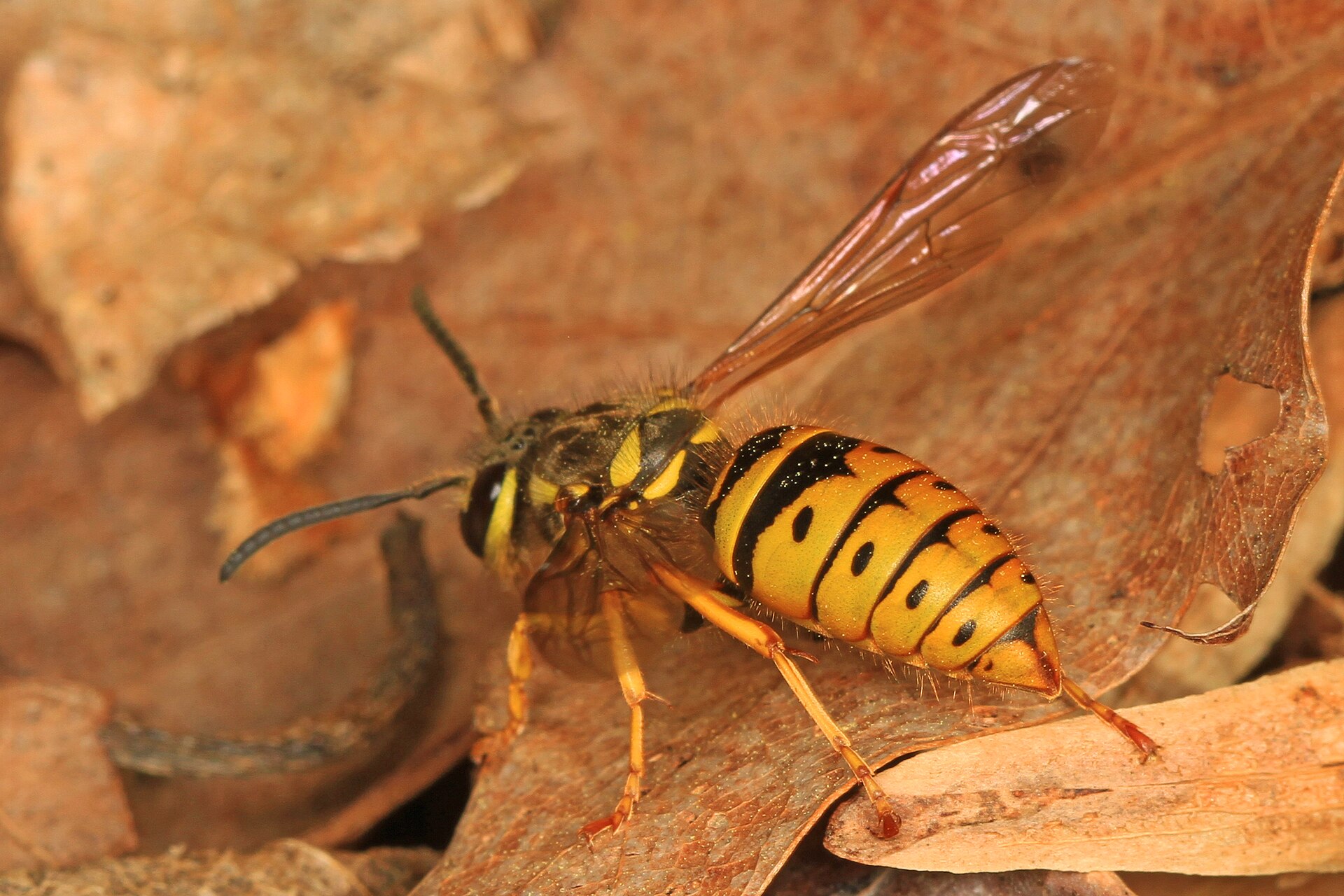
Wasps
Exterior nests near entrances, balconies, soffits and common areas may create a seasonal safety concern for residents and contractors.
View pest service →ACCOUNT COORDINATION
Keep service information organized across properties.
A repeatable process helps managers know what was inspected, what occupants need to do, what conditions deserve correction and when another visit may be appropriate.
WHEN RECURRING SERVICE MAKES SENSE
Some properties need monitoring, not repeated emergency calls.
Recurring service can be useful when a building has ongoing rodent pressure, high occupant turnover, food or waste areas, repeated pest history, or multiple monitoring devices that need regular inspection.
Discuss a managed-property plan →Routine inspection of agreed areasMonitoring-device checks where includedActivity and trend observationsReplenishment or resetting where applicableNew pest concerns documentedRepair and exclusion recommendations updated
OCCUPIED UNITS
Preparation and communication affect the result.
Some treatments require occupants to prepare rooms, secure food, provide access, remain out of an area for a stated period or follow other site-specific instructions. We provide the instructions that apply to the selected service so management can coordinate them before the appointment.
Before Confirm access and distribute applicable preparation instructions.During Keep the treatment area available to the technician and identify any site restrictions.After Share applicable re-entry, cleaning, monitoring or follow-up instructions with the occupant.
FIELD EXPERIENCE
See how we approach real pest calls.
Our field notes show the difference between simply treating a visible pest and investigating the conditions driving the activity.
PROPERTY MANAGEMENT QUESTIONS
Planning service across occupied properties
Can you service multiple units or properties under one account?
Yes. Service can be planned around multiple units, common areas or separate properties. The exact schedule and documentation depend on the pest issue, access and service plan.
How do you handle occupied units?
We provide preparation or access instructions that apply to the recommended service. Property management can coordinate those instructions with occupants before the visit so the technician can work safely and effectively.
Do you provide ongoing pest monitoring?
Yes. Recurring monitoring can be appropriate for buildings with ongoing pest pressure, food-service areas, recurring rodent activity or multiple units where trends need to be followed over time.
What pests do property managers commonly call about?
Common calls include mice and rats, cockroaches, bed bugs, ants, flies, wasps and other structural pests. The approach depends on whether the problem is isolated to one unit or reflects a wider building condition.
Can you help identify building repairs that may reduce pest entry?
Yes. During inspection we can document accessible entry points and contributing conditions. Building repairs and exclusion work are separate from treatment and should be planned around the structure and active pest issue.
LOCAL PEST HELP
Managing a building with recurring pest activity?
Tell us the property type, number of affected units or areas, pest concern and who coordinates access. We can help determine whether the next step should be inspection, treatment or an ongoing monitoring plan.