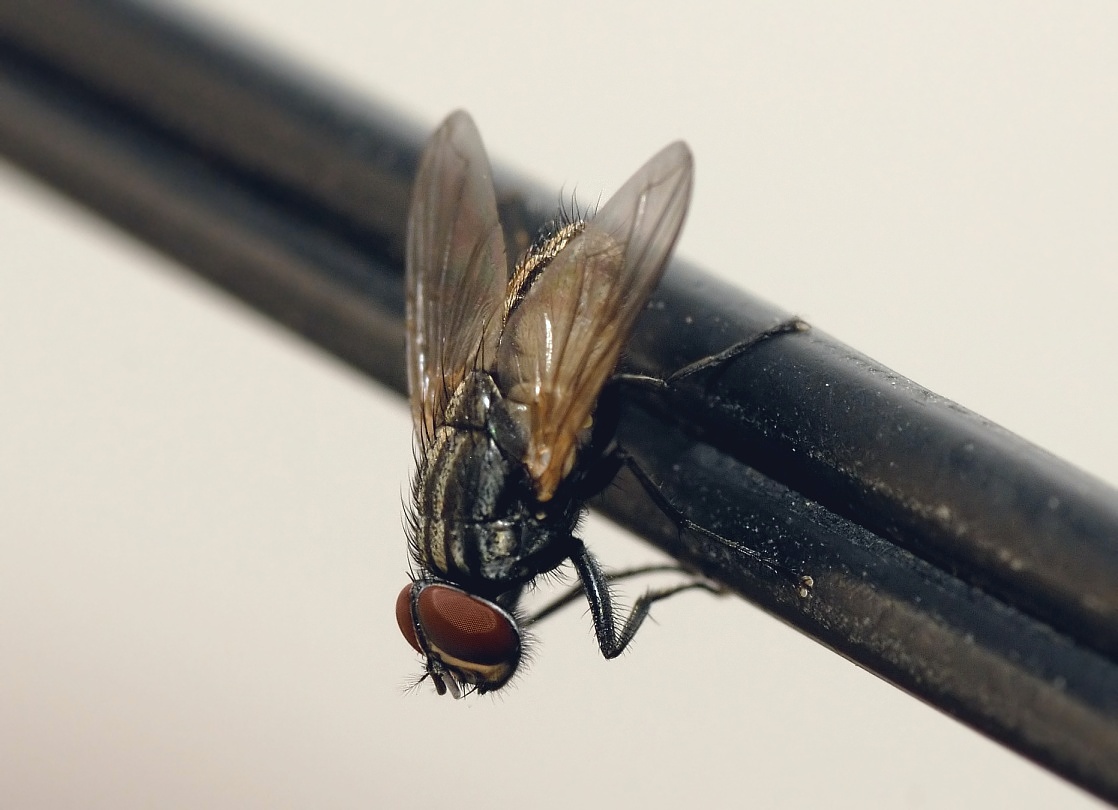
House Fly
A familiar medium-sized fly associated with waste, food residue and repeated entry from outside.
- Size
- About 6–8 mm
- Appearance
- Grey body with four dark thoracic stripes
- Usually found
- Waste, food handling and doors or windows
 Call (613) 743-8074
Compare house flies, cluster flies, drain flies, fruit flies and fungus gnats by appearance and breeding source.
Small flies are often treated as one problem even though they may develop in drains, produce, soil, waste or exterior sources. Finding the breeding material is usually more important than killing visible adults.
Each card uses an actual reference photograph of the pest or life stage named.
A familiar medium-sized fly associated with waste, food residue and repeated entry from outside.
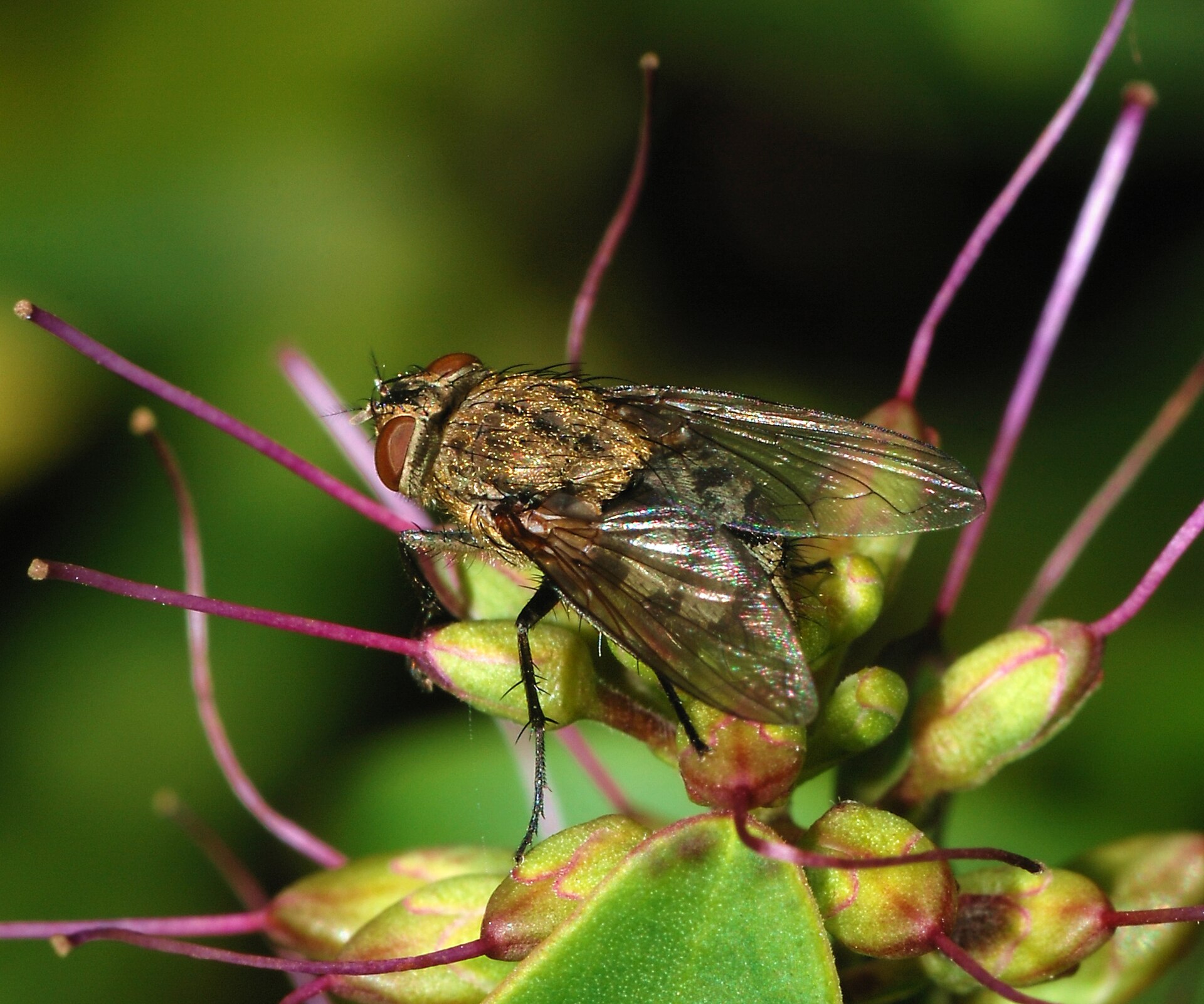
Slow flies that gather in protected building voids to overwinter and emerge on warm sunny days.
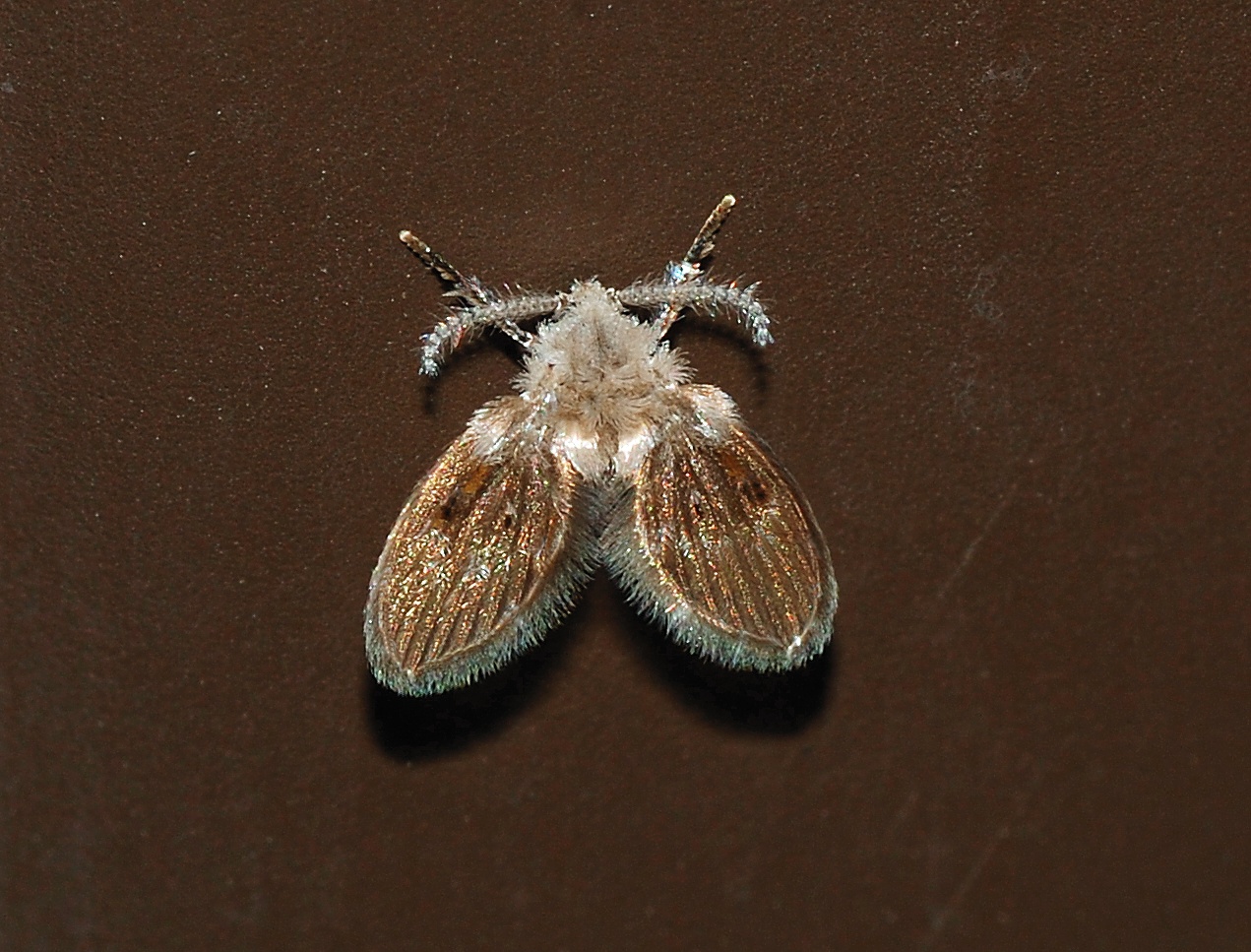
Small fuzzy flies whose larvae develop in moist organic buildup, often—but not always—inside drains.
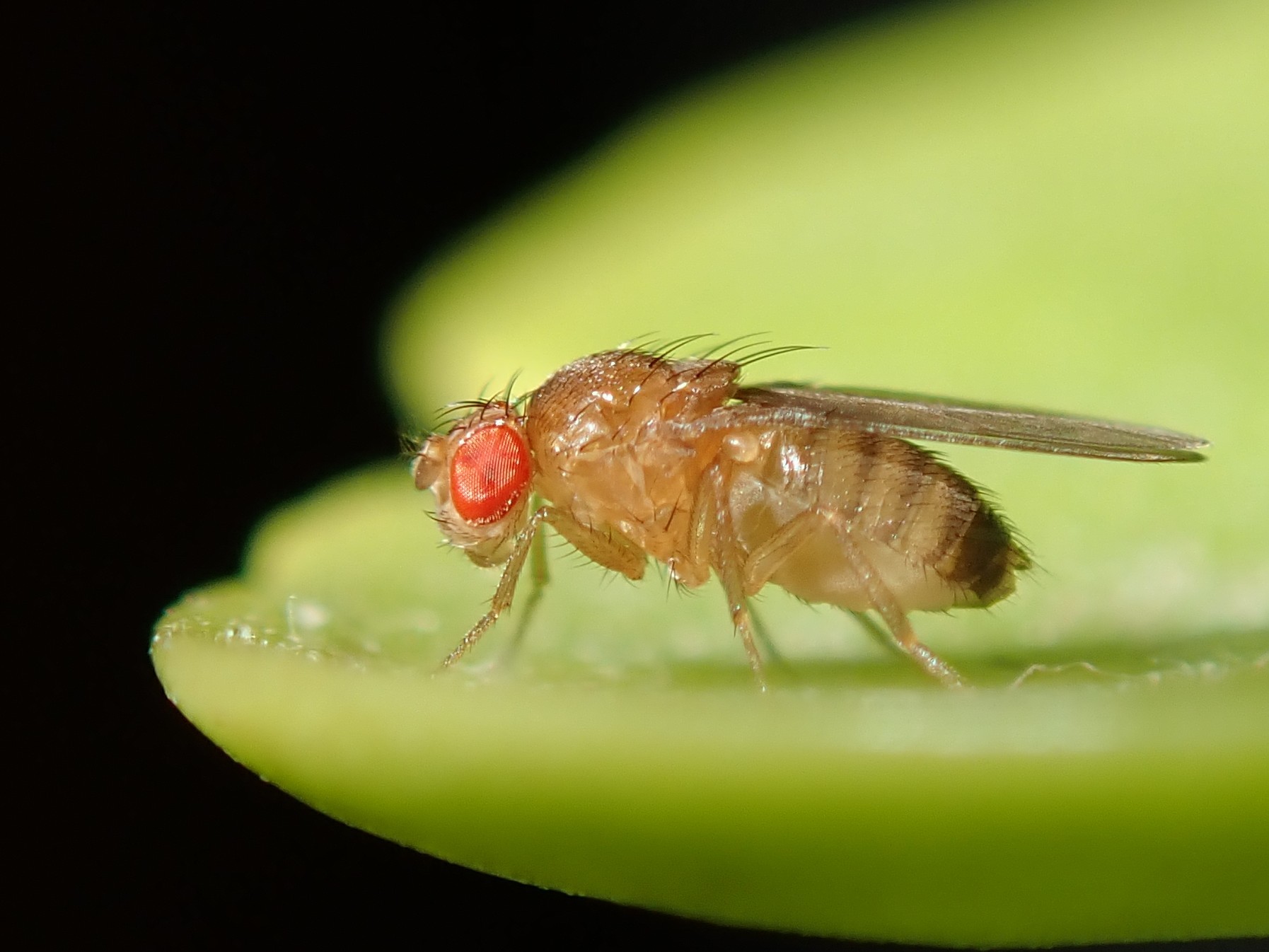
Tiny flies that reproduce around fermenting fruit, beverage residue and damp food waste.
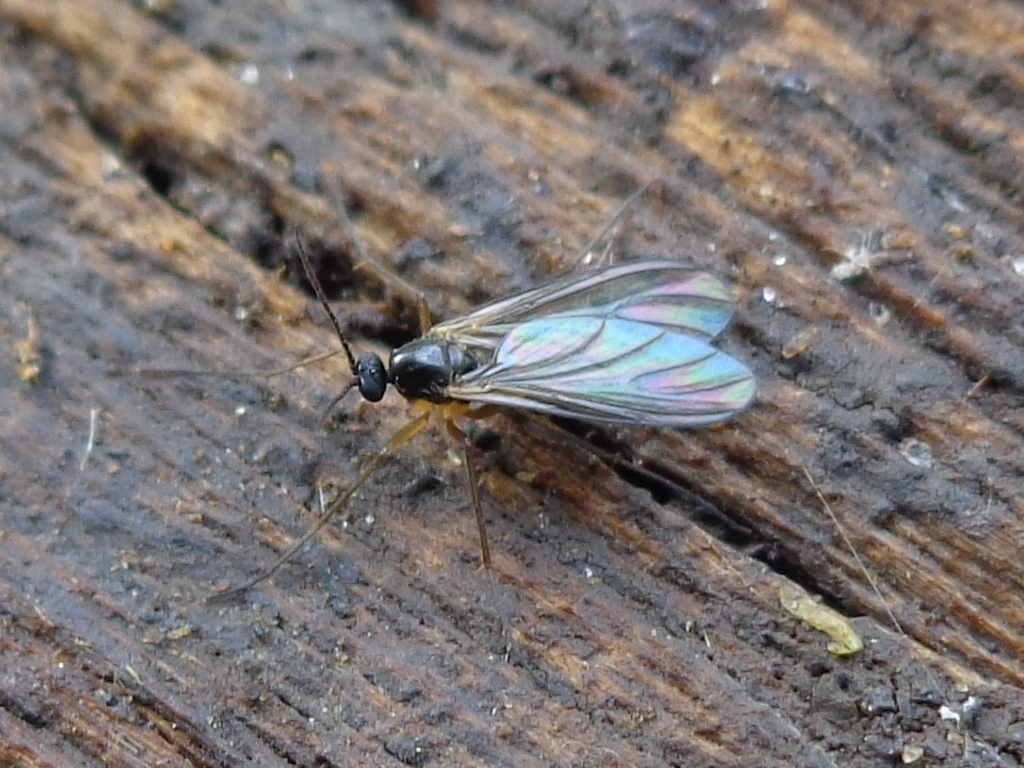
Small dark flies associated with persistently moist growing media rather than drains or fruit.
| Type | Size | Appearance | Typical location | Activity |
|---|---|---|---|---|
| House Fly | About 6–8 mm | Grey body with four dark thoracic stripes | Waste, food handling and doors or windows | Warm months; indoors where conditions support them |
| Cluster Fly | About 8–10 mm | Dark, slow-moving fly with fine golden hairs | Attics, wall voids and sunny upper windows | Overwintering activity in fall, winter and spring |
| Drain Fly | About 2–5 mm | Tiny, fuzzy and moth-like with broad wings | Drains, leaks and wet organic film | Year-round where wet breeding material persists |
| Common Fruit Fly | About 2–4 mm | Tan body, rounded shape and often red eyes | Fermenting produce, recycling and sugary residue | Year-round indoors; common in warm weather |
| Fungus Gnat | About 2–4 mm | Dark, delicate mosquito-like fly with long legs | Moist potting soil and indoor plants | Year-round around overwatered plants |
Photograph the fly at rest and note exactly where the highest concentration occurs. Body shape plus breeding source usually separates these groups.
Identify a Pest From a PhotoSend Emerald Pest Control a clear photo and property details for professional confirmation and appropriate next steps.