
Ants in the House in February or March: Is There an Indoor Nest?
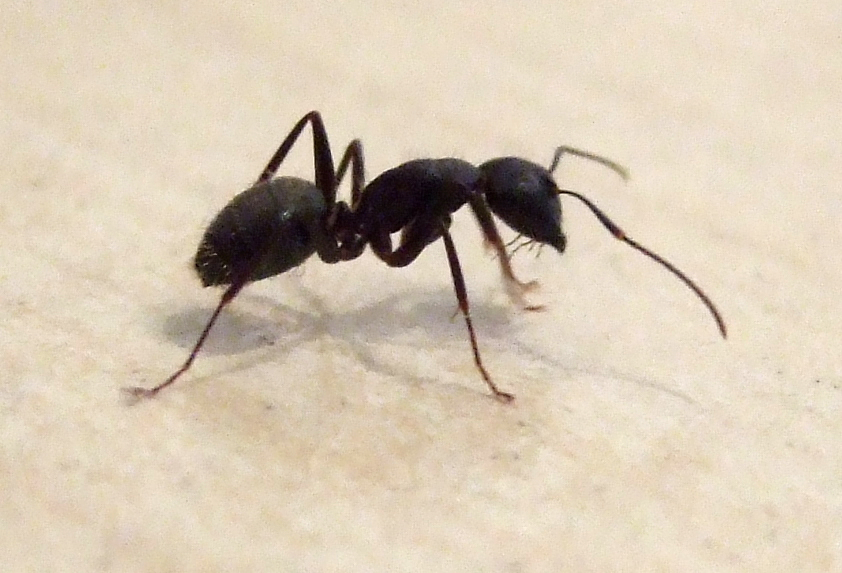
Ants crossing a kitchen floor while there is snow outside can be a useful inspection clue. Repeated indoor activity in cold weather deserves identification, but the calendar alone cannot establish the species or prove a nest is inside. Record the evidence before choosing a product or opening a wall.
Cold-weather activity changes the inspection question
University of Minnesota Extension notes that carpenter ants active indoors during winter can indicate an indoor nest, while ants carried in with firewood are an exception to consider. Other species also occur in buildings. One insect near recently brought-in wood is different evidence from a repeated trail emerging from the same wall. Neither should be diagnosed from size alone.
- Photograph the ant closely, including its body shape.
- Record when and where activity repeats.
- Note recent firewood, plants or belongings brought indoors.
Look for moisture and wood-related evidence
Carpenter ants excavate wood for nesting; they do not eat it. Damp or damaged wood around leaks can provide favourable conditions, though inspection is needed to locate a nest. Coarse sawdust-like material, repeated large ants and winged ants emerging inside can all be useful observations. Each clue needs identification because other insects or building work can produce similar material.
- Check accessible areas below leaks and around window or door frames.
- Report softened wood and persistent moisture.
- Do not cut into structural wood or electrical areas to chase a trail.
Avoid treating only the ants you can see
Removing visible workers may leave the source untouched. The choice between bait, targeted treatment, repairs or monitoring depends on the species and inspection findings. Applying an unrelated spray can interfere with a planned bait approach, and any product must be registered for the Canadian use site and used according to its label. Tell the technician what you have already applied.
- Keep food surfaces clean and food contained.
- Do not combine products or improvise indoor applications.
- Preserve trail observations long enough to explain the route at inspection.
Use February and March for a practical property check
When access is safe, review leaks, window condition, stored firewood and branches contacting the building. Correct moisture sources and discuss damaged wood with the appropriate contractor. Winter weather can limit exterior inspection, so a professional should explain any inaccessible areas and whether another visit is needed when conditions improve.
- Bring in only the firewood you need and inspect it.
- Keep exterior stored wood away from the structure where practical.
- Add moisture repairs and accessible entry checks to the spring maintenance list.
When should you call for an ant inspection?
Repeated trails, winged ants indoors, frass-like material or activity near damp wood justify a closer assessment. An inspection should explain the evidence for the identification, the suspected source and the proposed follow-up. Ask what treatment can achieve and which repairs are separate. A seasonal spray schedule is not a substitute for identifying an indoor problem.
- Include your town and the affected rooms in the enquiry.
- Share a close photo and dates of activity.
- Mention leaks, past treatments and whether the property is occupied year-round.
Local service and next steps
Sources and further guidance
Seeing ants indoors while it is still cold?
Send a close photo and describe repeated trails, damp wood or the room where the ants appear.