
Bed Bugs After Travel: Luggage, Guests and the First Signs to Check
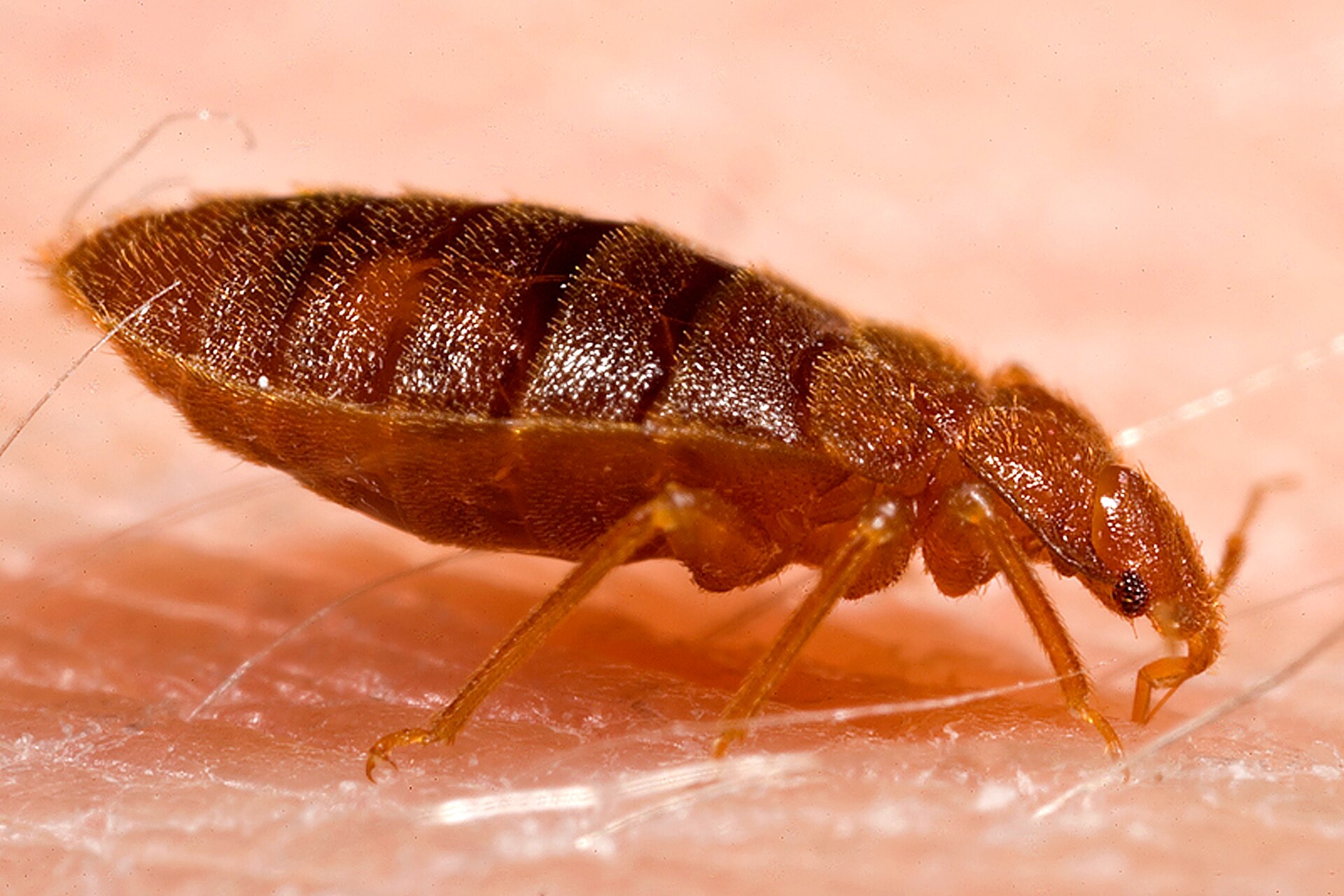
A trip or overnight visit can create an opportunity for bed bugs to travel with belongings. That does not mean every hotel stay leads to an infestation. A careful luggage routine and prompt attention to evidence are more useful than panic, discarding furniture or assuming a skin reaction proves bed bugs.
Keep luggage away from sleeping surfaces while inspecting
Check luggage seams, pockets and items packed beside the bed. A well-lit area with a hard floor is easier to inspect than a carpeted bedroom. Keep suspect belongings contained while deciding the next step. Avoid placing luggage on a bed or upholstered sofa before checking it. Health Canada’s travel guidance recommends inspecting belongings and taking care when unpacking.
- Look for live insects, cast skins and dark spotting.
- Photograph evidence before cleaning or moving items.
- Avoid transferring suspect belongings to another room or home.
Follow suitable laundry and handling guidance
Use Health Canada’s bed bug and travel guidance, the care instructions for each item and any directions from your pest professional. Suitable dryer treatment can be part of the handling plan, but a quick wash or a brief spell outdoors is not a reliable substitute. Items that cannot be laundered may need a different approach. Do not invent a temperature or exposure time for electronics, delicate fabrics or luggage.
- Keep treated and untreated belongings separate.
- Carry suspect laundry in closed bags to avoid dispersal.
- Ask for advice before applying products to luggage or personal items.
Check physical evidence rather than diagnosing bites
Skin reactions have many possible causes and vary between people. Bed bug identification relies on the insect and supporting evidence in resting areas. Inspect accessible mattress seams, bed frames and nearby furniture without scattering belongings. If someone has a health concern about a reaction, contact a health professional; pest identification is a separate question.
- Note the room and item associated with each finding.
- Save a specimen safely if practical.
- Explain whether guests, used furniture or luggage recently arrived without assuming any one is the proven source.
What to do when you suspect activity in a rental
Notify the landlord or manager promptly and share the evidence. Coordinated access and preparation can help assess connected spaces when necessary. Do not move suspect furniture into a hallway, another unit or a different sleeping room as an improvised solution. A service plan should explain the inspection scope and how to handle belongings before treatment.
- Keep a record of reports and instructions.
- Ask which areas must remain accessible.
- Discuss practical preparation barriers before the appointment.
Do not wait for winter to solve it
Heated homes and apartments can support bed bugs year-round. Leaving a suitcase outdoors in fluctuating weather does not ensure all items reach effective conditions. If evidence is confirmed, ask for an inspection-based treatment plan, preparation instructions and follow-up expectations. Disposal is not automatically required, and replacing a bed before the problem is assessed can complicate matters.
- Tell the technician about earlier sprays or other attempts.
- Get included visits and re-entry directions in writing.
- Report continuing evidence with dates and locations after service.
Local service and next steps
Sources and further guidance
Found possible bed bug evidence after a trip?
Send a clear photo and tell us where it was found, the rooms affected and your town.