ANT IDENTIFICATION

Common ants found around Ontario properties

Compare carpenter ants, pavement ants and pharaoh ants using exact reference photos, size, colour and typical nesting locations.

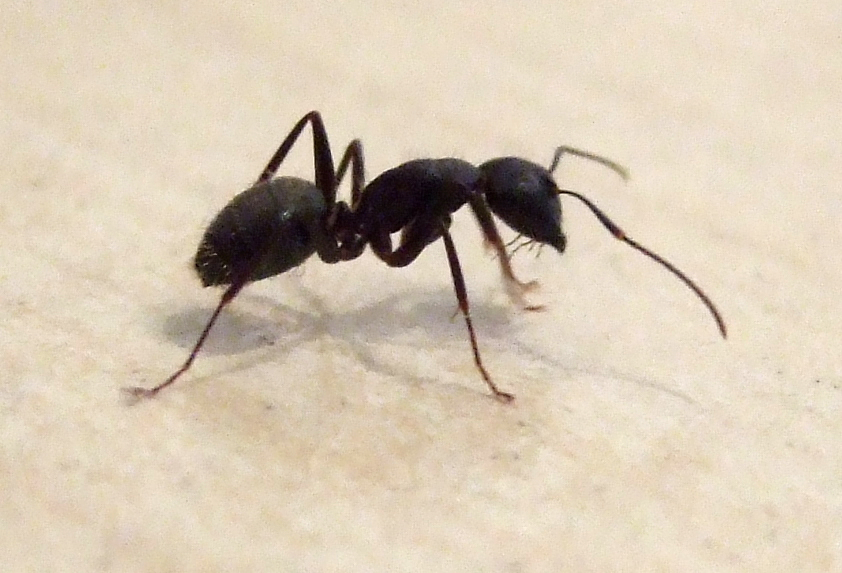
Black carpenter ant worker, Camponotus pennsylvanicus
Reference image: Carpenter Ant. Muéro / Wikimedia Commons.
WHY IDENTIFICATION MATTERS

Start with the pest, not the treatment.

Ant species can look similar from a distance, but their nesting behaviour and treatment response can be very different. Correct identification is especially important before treating small indoor ants.

COMMON STRUCTURAL ANTS

Compare the most relevant types

Each card uses an actual reference photograph of the pest or life stage named.

Black carpenter ant worker, Camponotus pennsylvanicus
Camponotus spp. · Muéro / Wikimedia Commons

Carpenter Ant

Large ants that excavate smooth galleries in wood. Coarse frass and activity from structural wood can indicate a nearby nest.

Size
About 6–13 mm
Appearance
Large; usually black or dark brown
Usually found
Damp or damaged wood, wall voids and rooflines
Open detailed guide →
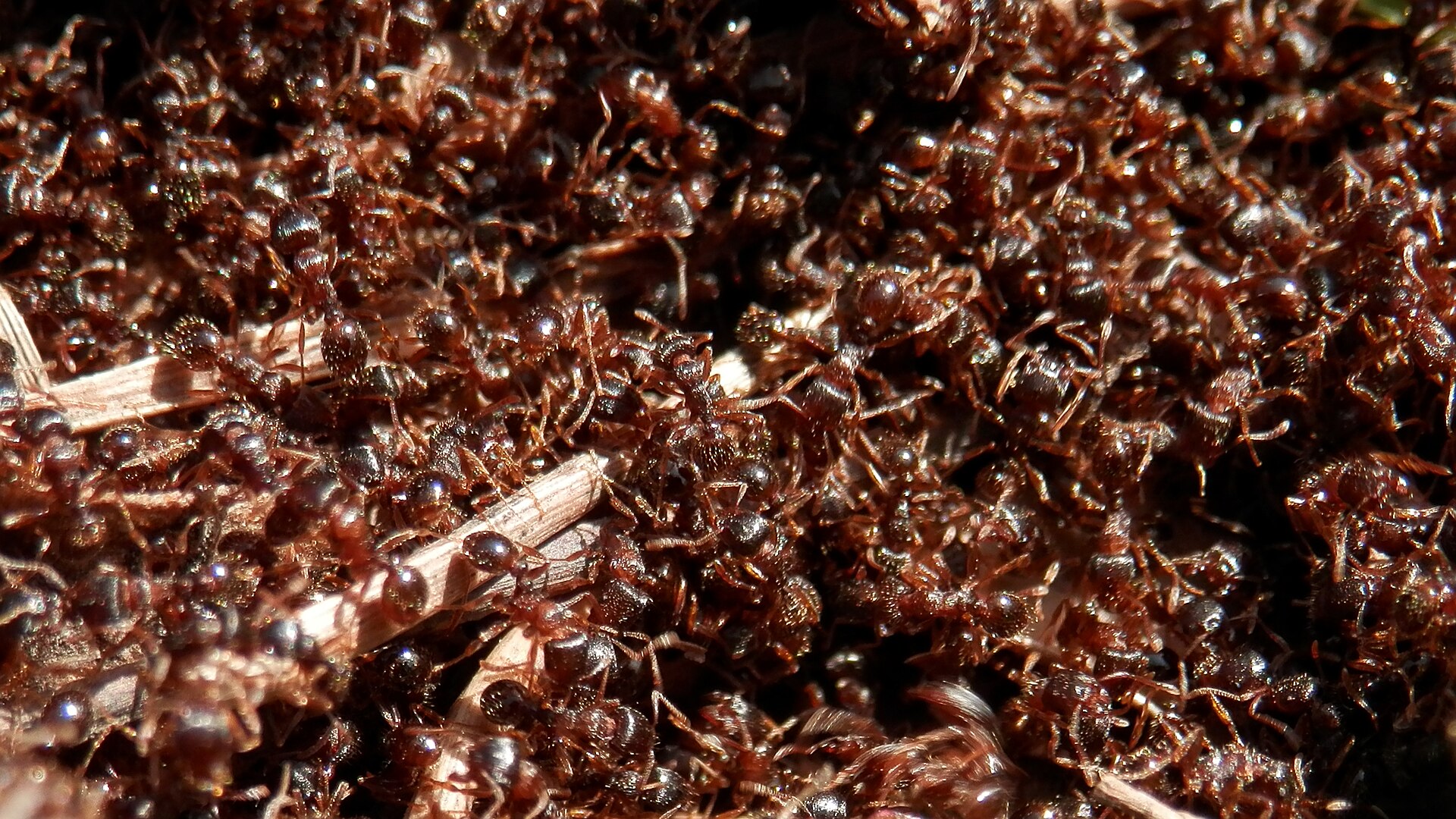
Pavement ants in London, Ontario, Tetramorium immigrans
Tetramorium immigrans · Ryan Hodnett / Wikimedia Commons

Pavement Ant

Small dark ants that form trails from cracks around pavement, foundations and ground-level entrances.

Size
About 2.5–4 mm
Appearance
Small; brown to nearly black
Usually found
Under slabs, stones, pavement and foundations
Open detailed guide →
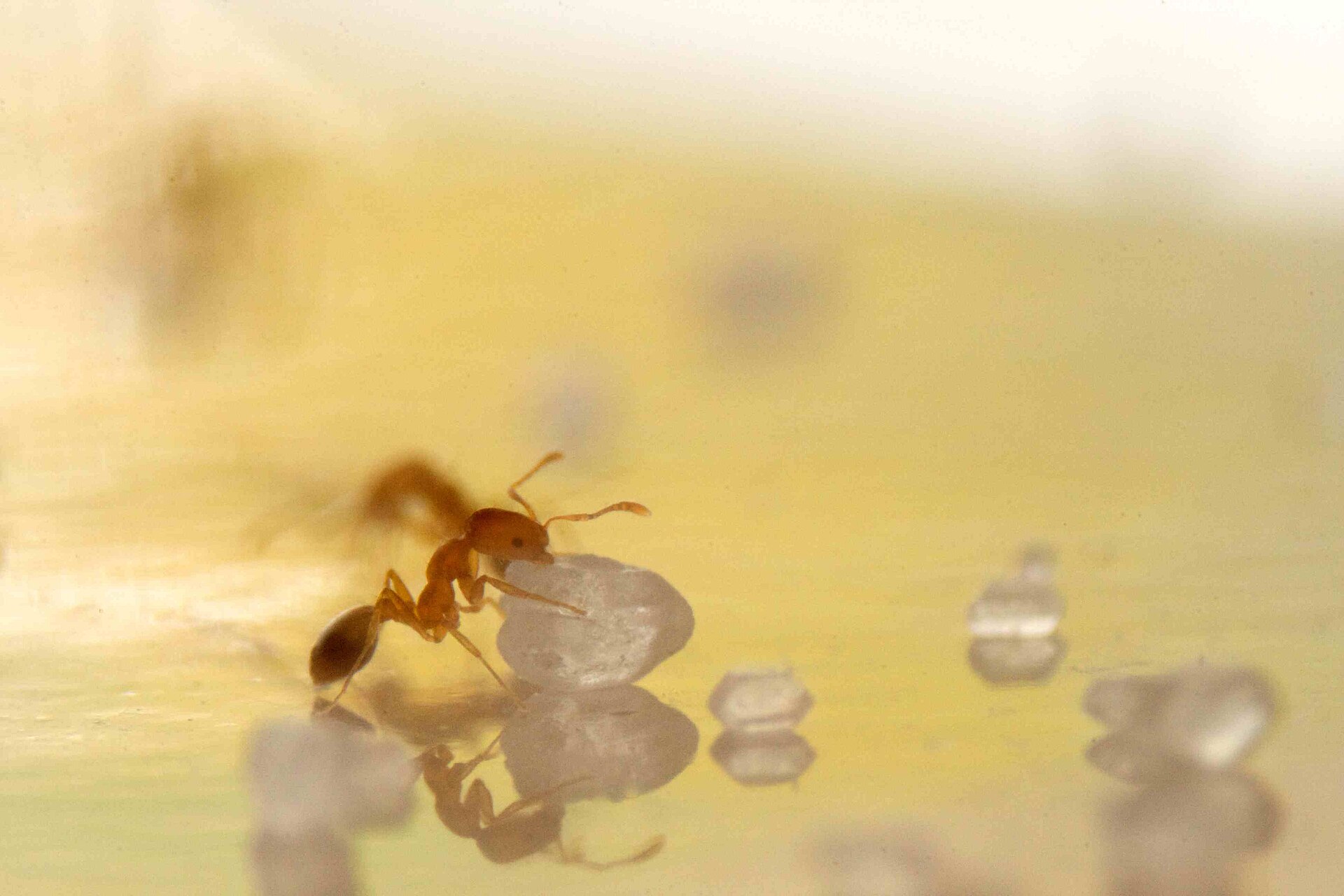
Pharaoh ant worker beside sugar crystals, Monomorium pharaonis
Monomorium pharaonis · Julian.szulc / Wikimedia Commons

Pharaoh Ant

Tiny pale indoor ants that can split into additional colonies when disturbed. Avoid uncoordinated spraying.

Size
About 1.5–2 mm
Appearance
Very small; yellow to light brown
Usually found
Warm wall voids, cabinets and connected buildings
Open detailed guide →
QUICK COMPARISON

How to tell them apart

TypeSizeAppearanceTypical locationActivity
Carpenter AntAbout 6–13 mmLarge; usually black or dark brownDamp or damaged wood, wall voids and rooflinesMost noticeable spring through fall
Pavement AntAbout 2.5–4 mmSmall; brown to nearly blackUnder slabs, stones, pavement and foundationsSpring through fall; may forage indoors
Pharaoh AntAbout 1.5–2 mmVery small; yellow to light brownWarm wall voids, cabinets and connected buildingsYear-round indoors
COMMON EVIDENCE

Signs worth documenting

  • Defined ant trails near food or moisture
  • Winged ants emerging indoors
  • Coarse frass beneath damp wood
  • Soil displaced beside cracks or slabs
  • Tiny pale ants in warm multi-unit buildings
IDENTIFICATION TIP

Get a safer, clearer answer

Photograph workers beside a coin or ruler when safe. Size, colour, trail location and nesting evidence are more useful together than colour alone.

Identify a Pest From a Photo
LOCAL PEST HELP

Concerned about ants?

Send Emerald Pest Control a clear photo and property details for professional confirmation and appropriate next steps.

Call NowFree Quote